Heartburn is a burning feeling behind the breastbone that rises towards the throat, usually after meals or on lying down. It happens when stomach acid flows back into the food pipe (oesophagus) because the valve at the top of the stomach - the lower oesophageal sphincter - relaxes when it should stay shut. Some foods relax that valve, some slow the stomach's emptying, and some irritate an already sensitive lining. These eight are the commonest offenders.
1. Fried and high-fat foods
Bhajiya, samosa, puri, vada, fried farsan, heavy cream-based gravies. Fat slows stomach emptying, so food and acid sit for longer, and it relaxes the valve. This is the single most reliable trigger for most people. Bake, roast, steam or shallow-fry instead, and keep portions modest.
2. Chilli and very spicy food
Capsaicin, the compound that makes chilli hot, can directly irritate the oesophageal lining and slow emptying. Not everyone with reflux reacts to spice, but if you do, the effect is usually quick and obvious. Reducing the chilli rather than removing all flavour - using ginger, coriander, cumin and lemon for taste - keeps food enjoyable.
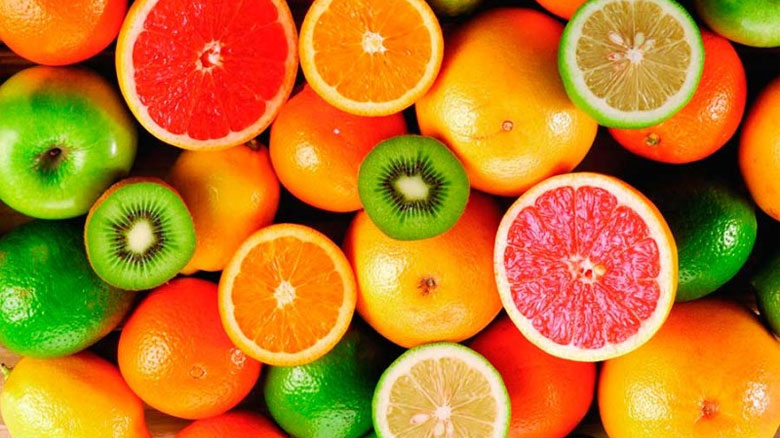
3. Tomato and citrus
Tomato-based gravies, ketchup, orange and sweet-lime juice, lemon in large amounts. These are acidic and can worsen the burning when the lining is already inflamed. Small amounts in a cooked dish are usually fine; a glass of citrus juice on an empty stomach is not.
4. Chocolate
Chocolate contains fat, caffeine and theobromine, all of which relax the valve. Dark chocolate is no exception. A small piece after a meal is usually tolerated better than chocolate on an empty stomach or at bedtime.
5. Coffee and strong tea
Caffeine relaxes the valve and stimulates acid. Many people in Surat start the day with strong chai on an empty stomach, which is close to the worst possible combination for reflux. Having tea with or after food, and limiting yourself to two or three cups, helps more than switching brands.
6. Onion and garlic (raw)
Raw onion in salads and garlic chutney are well-known triggers, probably through fermentation and valve relaxation. Cooked onion and garlic are tolerated by most people with reflux.
7. Fizzy drinks
The gas in aerated drinks stretches the stomach and pushes the valve open; many are also acidic and sugary. Soda water is only slightly better. Plain water, buttermilk (chaas) and coconut water are gentler choices.
8. Mint and peppermint
Mint relaxes smooth muscle - which is why it helps some people with bloating - but the same action relaxes the oesophageal valve. Pudina chutney, mint tea and mint sweets after a meal can all set off heartburn in susceptible people.
How to find your own triggers
Lists like this are a starting point, not a verdict. Keep a simple diary for two weeks: what you ate, when, and whether heartburn followed within a couple of hours. Most people find two or three consistent triggers rather than eight. Remove those first, and keep the rest. Alongside the diary:
- Eat smaller meals, and finish dinner at least three hours before lying down.
- Raise the head of the bed by 15-20 cm (blocks under the legs work better than extra pillows).
- Reduce weight if you are overweight - even a few kilograms reduces pressure on the stomach.
- Stop smoking; nicotine relaxes the valve.
- Avoid tight belts and waistbands after meals.
When food is not the problem
Occasional heartburn after a heavy meal is normal. Heartburn two or more times a week, or symptoms that need antacids most days, is gastro-oesophageal reflux disease (GERD) and deserves a proper assessment - long-standing acid exposure can damage the lining of the food pipe. See a gastroenterologist promptly if you have difficulty swallowing, food sticking, vomiting, black stools, unexplained weight loss, or heartburn that started after the age of 50.
Assessment usually starts with an upper GI endoscopy, which looks directly at the food pipe and stomach; pH and motility studies are used when the diagnosis is unclear or surgery is being considered. Read more about acidity and reflux (GERD) and how it is treated.