
Pancreatic Cysts in Surat What to Expect
Fluid-filled cysts in the pancreas are found more and more often on scans. Many are harmless, some follow pancreatitis, and a few can become cancerous over time. The task is to tell them apart and decide whether to monitor or remove.
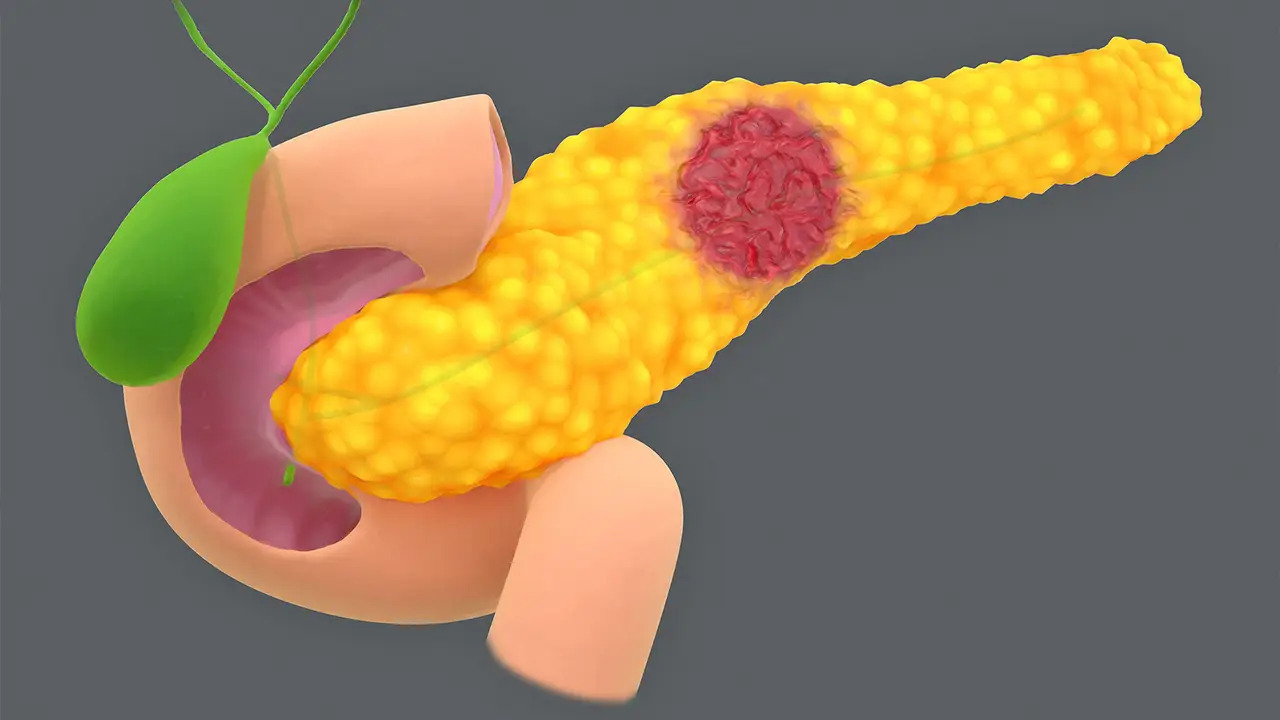
What Is a Pancreatic Cyst?
Pseudocysts are collections of fluid that develop after acute or chronic pancreatitis; they often shrink on their own and are drained only if they cause pain, infection or pressure on nearby organs. Cystic neoplasms, on the other hand, are true tumours - serous cysts are benign, while mucinous cysts and intraductal papillary mucinous neoplasms (IPMN) carry a risk of turning into cancer and need either surveillance or surgery.
Endoscopic ultrasound with sampling of the cyst fluid is the key test for deciding which type a cyst is. Our medical and surgical gastroenterologists review every cyst together and follow published guidelines to decide between observation at set intervals and removal.
Pancreatic cysts are found more often now, mostly on scans done for something else, and they become more common with age. Being told about a cyst can be worrying, but most are small, cause no symptoms and never become a problem.
The main question is what type of cyst it is. That decides whether it can simply be watched, whether it needs draining, or whether it should be removed. Your doctor explains the reasoning and agrees a plan with you.
Does a Pancreatic Cyst Cause Symptoms?
Most cysts cause no symptoms at all. When they do, you may notice:
- Often none - discovered on a scan for another reason
- Upper abdominal pain or a feeling of fullness
- Nausea, early fullness after meals
- Jaundice, if a cyst presses on the bile duct
- Fever, if a cyst becomes infected
- New diabetes or weight loss
- A swelling or fullness in the upper abdomen some weeks after an attack of pancreatitis
- Vomiting, if a large cyst presses on the stomach
Symptoms vary from person to person. Having one or more of these does not confirm the condition - it means it is worth being checked.
When Does a Pancreatic Cyst Need Urgent Care?
Do not wait for an online appointment if you have any of the following. Call the hospital or go to the nearest emergency department.
- Fever with abdominal pain in someone with a known cyst
- Jaundice
- Vomiting blood or severe pain
How We Assess a Pancreatic Cyst
At your first visit the doctor asks about any past pancreatitis, your symptoms and your family history, and reviews the scan that found the cyst. For many small cysts, a good-quality MRI or CT is enough to decide the next step. EUS with fluid sampling is added when the type of cyst is unclear or it has worrying features.
What Types of Pancreatic Cyst Are There?
- Pseudocysts after pancreatitis
- Cystic neoplasms - serous, mucinous, IPMN, solid pseudopapillary and others
- Rarely, cystic change in a solid tumour
After an attack of pancreatitis, a fluid collection or pseudocyst is the most likely explanation. In someone who has never had pancreatitis, the cyst is more likely to be a cystic tumour; most of these are benign or slow-growing, and just some types carry a cancer risk.
Investigations
- CT and MRI/MRCP
- Show the size, position, wall, internal structure and connection to the pancreatic duct.What to expect: Both are painless. For a CT you lie on a table that passes through a ring-shaped scanner; for an MRI you lie still in a tunnel-shaped machine that makes loud knocking sounds.
- Endoscopic ultrasound with fluid analysis
- Close-up imaging and sampling of cyst fluid to distinguish mucinous from non-mucinous cysts and to look for worrying features.What to expect: Done like an endoscopy, under sedation, so most people feel little or nothing. A fine needle passed through the scope draws fluid from the cyst, and you may be given antibiotics. Results follow later.
- Blood tests
- Including tumour markers where relevant.What to expect: A routine blood sample, sometimes including a tumour marker such as CA 19-9.
- Surveillance imaging
- Repeat MRI or EUS at intervals set by the type and size of the cyst.What to expect: Repeat scans, usually MRI, at the intervals your doctor sets. Bringing your previous reports to each visit helps compare the cyst over time.
Treatment Options for Pancreatic Cysts
The usual path
- Watching and waiting.
Small cysts without worrying features are checked with repeat scans; for many people this is all that is ever needed.
- Further tests if needed.
If a cyst grows or shows worrying features, EUS with fluid sampling looks at it more closely.
- Endoscopic drainage.
Pseudocysts that cause pain, infection or pressure can be drained into the stomach through the endoscope, guided by EUS.
- Surgery for higher-risk cysts.
Cysts with high-risk features, or those causing symptoms, are removed. The operation and recovery are discussed with you in detail before any decision.
Endoscopic treatment
- Endoscopic drainage
- Symptomatic pseudocysts are drained into the stomach under endoscopic-ultrasound guidance, avoiding surgery.
Surgery
- Surgery
- Cysts with high-risk features, or those causing symptoms, are removed - by distal pancreatectomy or Whipple's operation depending on their position. Performed by our pancreatic surgery team, laparoscopically or robotically where suitable.
Other care
- Observation
- Small cysts without worrying features are monitored at intervals; many never change.
- Follow-up after surgery
- Some cyst types need continued monitoring of the remaining pancreas.
The right treatment depends on the cause, how severe it is and your overall health. Your doctor will discuss the options with you before anything is decided.
Frequently Asked Questions about Pancreatic Cysts
Do all pancreatic cysts become cancer?
No. Most do not. The type of cyst determines the risk, and endoscopic ultrasound with fluid analysis is the best way to establish it.
How often will I need a scan?
It depends on the cyst's type and size - from every six months to every two years. Your doctor will set the interval and may lengthen it if the cyst remains stable.
Is surgery for a cyst a big operation?
Removing part of the pancreas is major surgery, which is why it is reserved for cysts with real risk. When it is recommended, the reasoning and the alternatives are explained in full.
Can a pseudocyst go away on its own?
Yes, many do. A pseudocyst forms after pancreatitis and often shrinks over weeks or months as the inflammation settles, so it is watched with repeat scans rather than drained straight away. Drainage is needed only if it causes pain, becomes infected, or presses on the stomach or bile duct. Fever or severe pain in someone with a known pseudocyst needs prompt review.
Will a pancreatic cyst affect my digestion or blood sugar?
Small cysts usually do not. A large cyst can press on the stomach and cause fullness or nausea, and some cysts can interfere with the pancreas producing digestive enzymes or insulin. New diabetes, weight loss or greasy stools in someone with a known cyst should be reported, because these can be signs that the cyst needs closer assessment.
A cyst was found on my scan by chance. Should I worry?
Most cysts found this way are small and harmless. It is still worth having it reviewed by a gastroenterologist, who will look at your scan and decide whether any further test or follow-up is needed.
Is endoscopic ultrasound with fluid sampling safe?
It is a routine procedure done under sedation. As with any procedure there is a small risk, such as bleeding, infection or a flare of pancreatitis, and your doctor will explain this before you agree to the test.
Should I bring my old scans to the appointment?
Yes. Previous CT or MRI reports, and the images on a CD or online link if you have them, let the doctor see whether the cyst has changed over time - often the most useful information of all.
Why Choose Gujarat Hospital for Pancreatic Cysts
How we look after pancreatic cysts at our main hospital in Adajan, Surat:
- EUS with cyst fluid sampling, done under sedation in the endoscopy suite to help work out the type of cyst.
- Every cyst reviewed by both teams. Medical and surgical gastroenterologists decide together between monitoring and treatment, following published guidelines.
- Drainage through the endoscope. Pseudocysts that cause pain, infection or pressure can be drained into the stomach under EUS guidance, without an operation.
- Pancreatic surgery when a cyst needs removing, performed laparoscopically or robotically where suitable.
The information on this page is for general patient education and does not replace individual medical advice, diagnosis or treatment. Medical Disclaimer