
Cancers of the Digestive System in Surat What to Expect
Cancers of the food pipe, stomach, colon, rectum, liver, bile duct and pancreas are diagnosed by endoscopy and imaging and treated by surgery, chemotherapy and radiotherapy in combination. Our surgical gastroenterology team performs these operations, including robotically, and plans care with oncology.
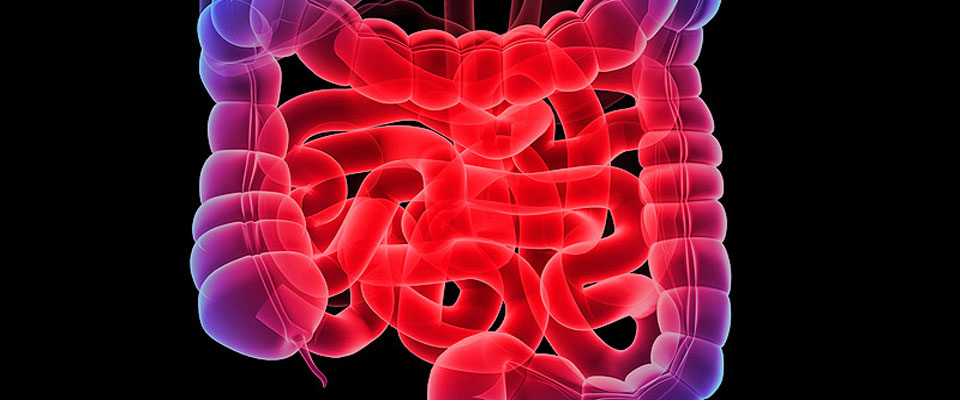
What Are Cancers of the Digestive System?
Digestive cancers are among the commonest cancers in India. Many are curable when found early - which is why persistent symptoms such as difficulty swallowing, black stools, a change in bowel habit or jaundice should be investigated rather than treated symptomatically. Very early tumours confined to the lining can sometimes be removed endoscopically (ESD/EMR) without an operation.
For most, surgery to remove the tumour with its lymph nodes is the central treatment. The robotic system and laparoscopic techniques allow major cancer operations to be done through small incisions in suitable patients. Chemotherapy and radiotherapy are used before or after surgery as planned in a joint discussion, and honest information about the aims of treatment is part of every consultation.
Hearing that you may have cancer is frightening, for you and for your family. It helps to know that a clear diagnosis, a careful staging and a written plan come before any treatment, and that you will be told plainly what the treatment aims to do.
Each digestive cancer behaves differently, and the treatment depends on where it started, how far it has spread and how fit you are. For many patients, surgery is the central treatment, sometimes combined with chemotherapy or radiotherapy before or after the operation.
Symptoms That May Point to a Digestive Cancer
Early digestive cancers often cause few symptoms. Signs worth checking include:
- Difficulty swallowing or persistent indigestion (food pipe, stomach)
- Black stools, vomiting blood, or anaemia
- A change in bowel habit, blood in the stool (colon, rectum)
- Jaundice (bile duct, pancreas, liver)
- Unexplained weight loss, loss of appetite, tiredness
- A lump in the abdomen or persistent pain
- Feeling full after eating very little
- Indigestion that is new and persistent, especially later in life
- Itching with dark urine or pale stools
Symptoms vary from person to person. Having one or more of these does not confirm the condition - it means it is worth being checked.
When Should You See a Doctor Urgently?
Do not wait for an online appointment if you have any of the following. Call the hospital or go to the nearest emergency department.
- Vomiting blood or heavy rectal bleeding
- Complete inability to swallow or persistent vomiting
- Severe abdominal pain with swelling
- Jaundice with fever
How We Diagnose and Stage Digestive Cancer
At your consultation the doctor asks about your symptoms, weight and family history, and reviews any reports you bring. Endoscopy with biopsy confirms the diagnosis, and scans and EUS show how far the cancer has spread. These results together decide the plan.
What Raises the Risk of Digestive Cancer?
- Smoking and alcohol
- Diet, obesity and inactivity
- Chronic infection or inflammation - H. pylori, hepatitis B and C, inflammatory bowel disease, chronic pancreatitis
- Family history and inherited syndromes
- Increasing age
Most digestive cancers arise from a mix of age, lifestyle and long-standing irritation of the gut lining, rather than a single cause. Stopping smoking, limiting alcohol, keeping a healthy weight and treating conditions such as H. pylori and hepatitis lower the risk. A family history is a reason to discuss screening with your doctor.
Investigations
- Endoscopy with biopsy
- Upper endoscopy or colonoscopy to see and sample the tumour.What to expect: Done under sedation, so most people feel little. Small samples are taken painlessly, and you go home the same day; biopsy results follow later.
- CT, MRI and PET-CT
- To determine the extent of the tumour and whether it has spread - the basis for the treatment plan.What to expect: You lie still in a scanner while pictures are taken, sometimes after a dye injection or drink. These scans are painless; your doctor will tell you which ones are needed and how to prepare.
- Endoscopic ultrasound
- Measures how deep a tumour goes and samples nearby lymph nodes; essential for food-pipe, stomach, rectal and pancreatic cancers.What to expect: Similar to an endoscopy, under sedation, with a small ultrasound probe on the tip of the scope. Samples from nearby lymph nodes can be taken in the same test.
- Blood tests and tumour markers
- Nutrition, organ function and markers used to follow treatment.What to expect: Routine blood samples check your blood count, nutrition, liver and kidney function, and markers used to follow treatment.
- Joint review of results
- Your surgeon and gastroenterologist review the scans and reports together.What to expect: You do not need to attend. The surgeon and gastroenterologist review your results together, and the doctor then explains the plan to you and your family and answers your questions.
Treatment Options for Digestive Cancers
The usual path
- Diagnosis and staging.
Endoscopy, biopsy, scans and EUS confirm the cancer and show how far it has spread.
- A joint plan.
The specialists agree the order of treatment, which is explained to you before anything begins.
- Endoscopic removal for very early tumours.
When a tumour is confined to the lining, ESD or EMR can remove it without an operation.
- Surgery and other treatments.
For most, the tumour is removed with its lymph nodes by keyhole, robotic or open surgery, with chemotherapy or radiotherapy before or after when needed.
Endoscopic treatment
- Endoscopic removal
- ESD or EMR for very early tumours confined to the lining.
Surgery
- Surgery
- Removal of the tumour with lymph nodes - oesophagectomy, gastrectomy, colectomy, rectal resection, liver resection, Whipple's operation - laparoscopically, robotically or open as appropriate.
Other care
- Chemotherapy and radiotherapy
- Before surgery to shrink tumours, after surgery to reduce recurrence, or as the main treatment when surgery is not possible.
- Targeted and immune therapies
- For selected tumour types, planned with oncology.
- Relief of symptoms
- Stents for blocked food pipe or bile duct, nutrition support, pain control and palliative care.
The right treatment depends on the cause, how severe it is and your overall health. Your doctor will discuss the options with you before anything is decided.
Frequently Asked Questions about Digestive Cancer
Is robotic surgery safe for cancer?
Robotic surgery is a way of performing the same operation with more precision through small incisions. The extent of the cancer removal is the same as in open surgery; the recovery is usually faster. It is offered where the surgeon judges it appropriate.
How do you decide between surgery and chemotherapy?
By the type and stage of the cancer and your fitness, in a joint discussion between specialties. Many patients receive both, in a planned sequence.
Can I get a second opinion on a cancer diagnosis?
Yes - we encourage it. Bring your endoscopy, biopsy and scan reports; our team will review them with you.
Should my family members be screened if I have a digestive cancer?
Some digestive cancers, particularly of the colon and rectum, run in families. Close relatives of a patient diagnosed at a young age, or where several family members are affected, are often advised to have a colonoscopy earlier than usual or to be tested for an inherited syndrome. Your doctor will tell you whether this applies to your family.
Will I be able to eat normally after surgery for stomach or food pipe cancer?
Eating changes after these operations because the stomach is smaller or has been replaced. Most patients move from liquids to small, frequent meals over several weeks, guided by a dietitian, and gradually widen their diet over months. Some need vitamin supplements long term. Appetite and weight are monitored at follow-up so that nutrition does not fall behind.
What does the stage of a cancer mean?
The stage describes how large the tumour is and whether it has spread to lymph nodes or other organs. It is worked out from biopsies and scans, and it is the main guide to which treatment is advised.
What can I do to prepare for cancer surgery?
Stopping smoking, staying as active as you can, eating well and keeping diabetes under control all help recovery. Your surgeon will tell you what matters most in your case.
What is a stent, and when is it used?
A stent is a thin mesh tube placed through an endoscope to open a blocked food pipe, bowel or bile duct. It is used to relieve swallowing difficulty, blockage or jaundice, sometimes before surgery and sometimes when surgery is not possible.
Why Choose Gujarat Hospital for Digestive Cancer Care
How we look after cancers of the digestive system at our main hospital in Adajan, Surat:
- Diagnosis and surgery at one hospital. Endoscopy with biopsy, endoscopic ultrasound (EUS) and cancer surgery are all done at our Adajan hospital.
- Very early tumours removed without an operation, using ESD or EMR through the endoscope when the tumour is confined to the lining.
- Surgeons with special interest in cancer surgery, including the pancreas, oesophagus, stomach and liver, and a colon and ano-rectal surgeon for bowel cancers.
- Keyhole and robotic cancer surgery in suitable patients, and open surgery when it is safer.
The information on this page is for general patient education and does not replace individual medical advice, diagnosis or treatment. Medical Disclaimer