
Acute Pancreatitis in Surat What to Expect
Acute pancreatitis is sudden inflammation of the pancreas, most often caused by gallstones or alcohol. It causes severe upper abdominal pain and needs hospital care. Most attacks are mild and settle in days; a minority are severe and need intensive treatment.
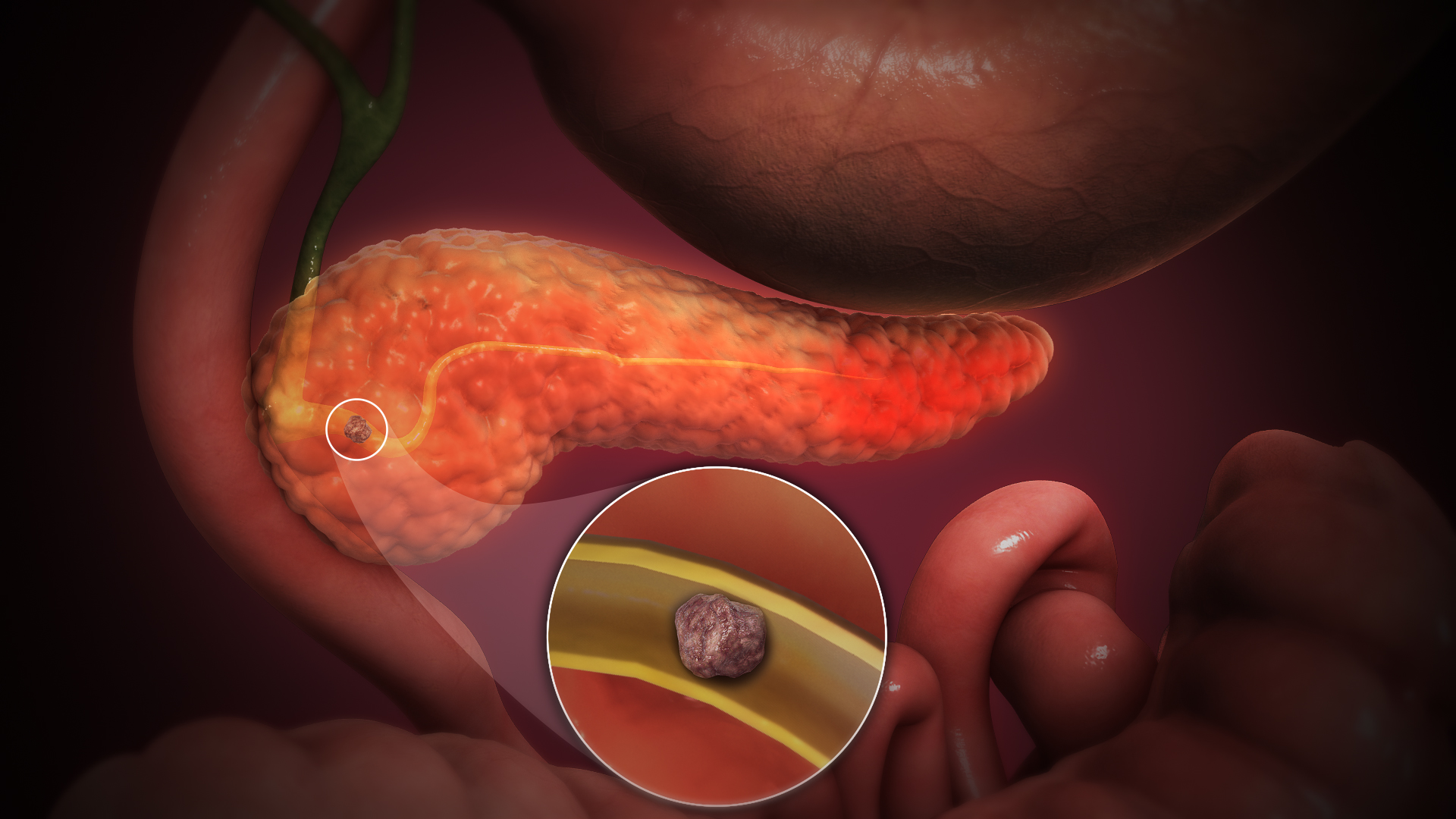
What Is Acute Pancreatitis?
The pancreas makes digestive enzymes and insulin. In acute pancreatitis those enzymes become active inside the gland and injure it. The result is intense pain, often radiating to the back, with vomiting. Blood tests show a sharp rise in pancreatic enzymes.
Treatment is supportive - fluids, pain relief, early nutrition - while the cause is identified and dealt with. Removing the gallbladder after a gallstone-related attack, or stopping alcohol, prevents recurrence. Severe attacks can lead to fluid collections, infection and organ failure and are managed by our gastroenterologists, surgeons and critical-care team together.
An attack of acute pancreatitis usually comes on suddenly and is very painful, so most people arrive through the emergency department. It is a frightening experience, but most attacks are mild and settle with fluids, pain relief and careful monitoring in hospital.
Care has two aims: to support you while the pancreas settles, and to find out why the attack happened. Treating the cause - most often gallstones or alcohol - is what prevents the next attack, so it remains an important part of care even after you feel better.
Symptoms of Acute Pancreatitis
Pain is the main symptom, and it is usually hard to ignore. Along with it you may notice:
- Sudden, severe, constant pain in the upper abdomen, often boring through to the back
- Pain worse on lying flat, eased by sitting forward
- Nausea and repeated vomiting
- Fever, rapid pulse
- A tender, swollen abdomen
- Jaundice if a gallstone is blocking the duct
- Being unable to keep food or water down
- Feeling sweaty, weak or very unwell
- Pain that started after a large, fatty meal or heavy drinking
Symptoms vary from person to person. Having one or more of these does not confirm the condition - it means it is worth being checked.
When Should You Go to Emergency with Pancreatic Pain?
Do not wait for an online appointment if you have any of the following. Call the hospital or go to the nearest emergency department.
- This condition itself needs hospital assessment - do not wait
- Breathlessness, confusion or very little urine during an attack
- Persistent high fever, or worsening pain after initial improvement
How We Diagnose Acute Pancreatitis
When you arrive, the doctor asks about the pain, alcohol, any past gallbladder trouble and your medicines, examines you and checks your pulse, blood pressure and breathing. Blood tests and an ultrasound usually confirm the diagnosis and point to the cause. More detailed scans are added when they will change your treatment.
What Causes an Attack of Pancreatitis?
- Gallstones passing through the bile duct
- Alcohol
- High blood triglycerides
- Some medicines
- After ERCP, injury, or certain infections
- Genetic and autoimmune causes; sometimes no cause is found
Gallstones and alcohol together cause most attacks. Gallstone pancreatitis is more likely in people who have had gallbladder pain before, while alcohol-related attacks usually follow heavy drinking over a long time. When neither is found, the doctor checks triglyceride and calcium levels and your medicines, and may look closely at the pancreas and bile duct with EUS.
Investigations
- Blood tests
- Amylase or lipase (pancreatic enzymes), inflammation markers, liver tests, calcium and triglycerides.What to expect: A routine blood sample, often repeated during your stay to see how you are responding to treatment.
- Ultrasound
- Looks for gallstones and duct dilatation.What to expect: A painless scan using gel and a probe on your abdomen. It is quick and involves no injection or radiation.
- CT scan
- After the first few days if the attack is severe, to assess damage and complications.What to expect: You lie on a table that passes through a ring-shaped scanner, usually after a contrast dye is given through a drip. The scan itself is painless and quick.
- MRCP or endoscopic ultrasound
- To find small stones or other causes when the first tests are unclear.What to expect: An MRCP is a painless scan in which you lie still inside a tunnel-shaped machine. Endoscopic ultrasound is done like an endoscopy, under sedation, so most people feel little or nothing.
How Acute Pancreatitis Is Treated
The usual path
- Support in hospital.
Fluids through a drip, pain relief and close monitoring let the pancreas settle. Most mild attacks improve with this care alone.
- Eating again early.
Food is restarted as soon as pain and nausea allow, beginning with light, low-fat meals.
- A procedure if needed.
ERCP clears a gallstone stuck in the bile duct, and fluid collections that cause problems can be drained, often through the endoscope with EUS guidance.
- Surgery to stop it happening again.
After gallstone pancreatitis, removing the gallbladder by keyhole surgery prevents further attacks. Your doctor will advise on the timing, which depends on how severe the attack was.
Medicines & lifestyle
- Hospital care
- Intravenous fluids, pain relief, oxygen if needed, and starting to eat as soon as it is tolerated.
- Preventing recurrence
- Stopping alcohol, treating high triglycerides and reviewing medicines.
Endoscopic treatment
- Treating a blocked duct
- Urgent ERCP if a gallstone is lodged in the bile duct with infection or persistent jaundice.
- Managing complications
- Fluid collections may need drainage - often endoscopically, guided by endoscopic ultrasound - and infections need antibiotics; severe cases are managed in intensive care.
Surgery
- Removing the gallbladder
- After a gallstone-related attack, usually during the same admission or soon after, to prevent another attack.
The right treatment depends on the cause, how severe it is and your overall health. Your doctor will discuss the options with you before anything is decided.
Frequently Asked Questions about Acute Pancreatitis
How long does recovery take?
Mild attacks settle within a week. Severe attacks can mean weeks in hospital and a longer recovery.
Will it happen again?
If the cause is removed - the gallbladder taken out, alcohol stopped - recurrence is uncommon. Without that, repeated attacks are likely.
Can pancreatitis cause diabetes?
After a severe attack or repeated attacks, the pancreas may make less insulin. Blood sugar is monitored during follow-up.
What should I eat after an attack of acute pancreatitis?
Once pain and vomiting have settled you can usually eat again, starting with small, low-fat meals and building up as tolerated. Alcohol must be avoided completely, and if high triglycerides were the cause a low-fat diet and medicines will be needed long-term. Your doctor will tell you if pancreatic enzyme supplements are needed, which is uncommon after a single mild attack.
Why do my doctors want to remove the gallbladder when it is the pancreas that is inflamed?
Because in gallstone pancreatitis the attack is triggered by a small stone from the gallbladder passing through the bile duct and blocking the pancreatic outlet. The pancreas recovers on its own, but while the gallbladder remains, another stone can do the same thing. Removing it - usually during the same admission for a mild attack, or after recovery from a severe one - removes the cause.
Can I drink alcohol again after pancreatitis?
It is safer not to. If alcohol caused the attack, even small amounts can bring on another one, and repeated attacks can lead to chronic pancreatitis. Whatever the cause, avoiding alcohol protects the pancreas while it recovers. Ask your doctor for help if stopping is difficult.
Do I have to stop eating during an attack?
Usually not for long. Food is started again as soon as pain and nausea allow, beginning with light, low-fat meals, because early feeding helps recovery. If you cannot eat for longer, liquid feed can be given through a thin tube passed into the stomach or small bowel.
Which doctor should I see after an attack of pancreatitis?
A gastroenterologist, to make sure the cause has been found and treated. You can book at our Adajan hospital or at the OPD nearest you; any tests or procedures are done at Adajan.
Why Choose Gujarat Hospital for Acute Pancreatitis
How we look after acute pancreatitis at our main hospital in Adajan, Surat:
- Medical and surgical teams together from admission. Gastroenterologists and GI surgeons of the same department look after you together, without separate referrals.
- ERCP for a blocked bile duct. When a gallstone is stuck in the bile duct with infection or ongoing jaundice, ERCP is done in the hospital's endoscopy suite.
- EUS to find a hidden cause. Endoscopic ultrasound can show small stones and other causes when the usual tests do not explain the attack, and can guide drainage of fluid collections.
- Gallbladder surgery to prevent another attack. After gallstone pancreatitis, the gallbladder can be removed by keyhole surgery at the same hospital.
The information on this page is for general patient education and does not replace individual medical advice, diagnosis or treatment. Medical Disclaimer