
Liver Cirrhosis in Surat What to Expect
Cirrhosis is scarring of the liver from long-standing damage - most often alcohol, fatty liver or chronic hepatitis. It cannot be fully reversed, but with treatment of the cause and careful monitoring many people live well for years and complications can be prevented.
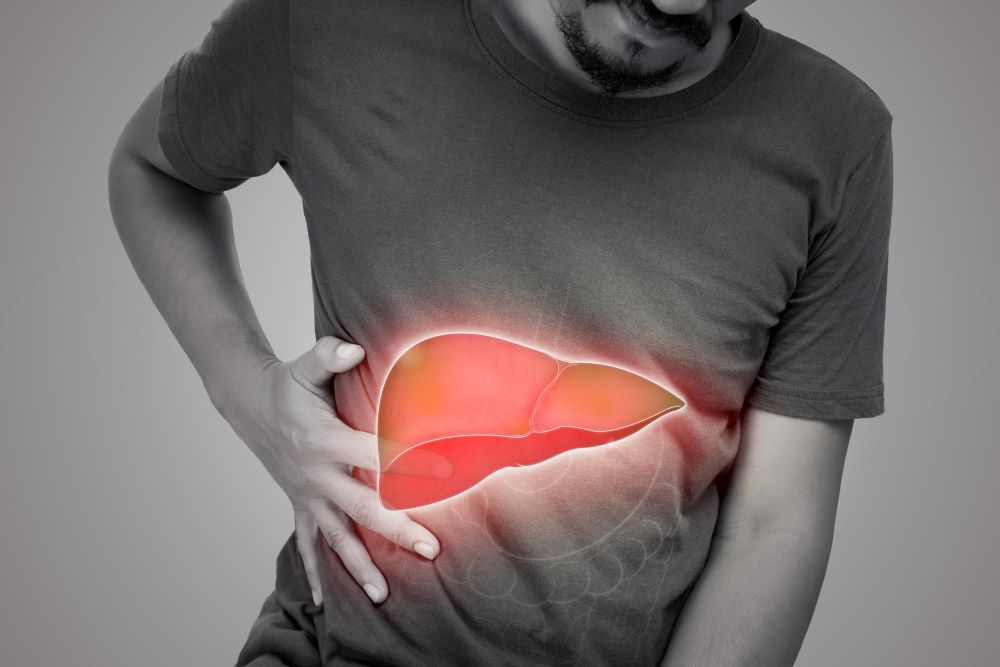
What Is Liver Cirrhosis?
As scar tissue replaces normal liver, the liver works less well and blood flow through it is obstructed. This leads to the complications of cirrhosis: fluid in the abdomen (ascites), swollen veins in the food pipe that can bleed (varices), confusion (hepatic encephalopathy), and an increased risk of liver cancer. In its early ('compensated') stage cirrhosis may cause no symptoms at all.
Care focuses on stopping further damage, preventing and treating complications, and screening for liver cancer every six months. Our gastroenterologists provide this long-term follow-up and perform the endoscopic treatments involved. Patients whose liver is failing despite treatment are referred for transplant assessment.
Hearing the word 'cirrhosis' is frightening, but it is not the end of the road. Many people with cirrhosis, especially when it is found early and the cause is treated, stay well for years and continue to work and live normally.
Care for cirrhosis is a partnership. Your doctor treats the cause and watches for complications, and you play a big part - by avoiding alcohol, eating well, taking medicines as advised and coming for regular check-ups even when you feel fine.
Symptoms of Cirrhosis
Cirrhosis can be silent for a long time. As it progresses, you or your family may notice:
- Tiredness and weakness, loss of appetite and weight
- Swelling of the abdomen and legs
- Yellow eyes or skin, itching
- Easy bruising and bleeding, or nosebleeds
- Confusion, sleep reversal or drowsiness
- Vomiting blood or black stools from varices
- Muscle loss
- Clothes feeling tight around the waist from fluid
- Muscle cramps, especially at night
- Small red spider-like marks on the chest or reddened palms
Symptoms vary from person to person. Having one or more of these does not confirm the condition - it means it is worth being checked.
When Should Someone with Cirrhosis Get Emergency Care?
Do not wait for an online appointment if you have any of the following. Call the hospital or go to the nearest emergency department.
- Vomiting blood or black stools
- Confusion, drowsiness or unusual behaviour
- Fever with abdominal pain and a swollen abdomen (possible infected fluid)
- Rapidly increasing swelling or breathlessness
- Very little urine
How We Assess Cirrhosis
At your first visit the doctor asks about alcohol, past hepatitis, diabetes and any swelling, confusion or bleeding, and examines you. Blood tests and scans show how well the liver is working, and an endoscopy checks for swollen veins in the food pipe.
What Causes Cirrhosis of the Liver?
- Alcohol
- Fatty liver disease linked to weight and diabetes
- Chronic hepatitis B or C
- Autoimmune hepatitis and autoimmune bile-duct diseases
- Inherited conditions such as Wilson disease and haemochromatosis
- Long-standing bile duct obstruction
Alcohol, fatty liver and chronic hepatitis B or C are the most common causes, and some people have more than one. Finding the cause matters because treating it - stopping alcohol, controlling the virus, or losing weight - can stop the liver getting worse.
Investigations
- Blood tests
- Liver function, clotting, blood count, and tests for the cause of the cirrhosis.What to expect: A routine blood sample. These tests are repeated at follow-up visits to see how the liver is doing.
- Ultrasound with Doppler, and elastography
- Show the liver's texture and stiffness, the spleen, fluid, and blood flow in the portal vein.What to expect: A painless scan with gel on the abdomen that also shows blood flow, and sometimes a measurement of liver stiffness. You may be asked not to eat for a few hours beforehand.
- Upper GI endoscopy
- Checks for varices so that they can be treated before they bleed.What to expect: Done under sedation with monitoring, so most people feel little or nothing. If swollen veins are found, they can often be banded in the same procedure.
- CT or MRI
- When a liver nodule needs characterising, or before any procedure.What to expect: You lie still on a table that moves through the scanner. It is painless, and an injection of contrast dye is usually given to show the liver clearly.
- Scores of severity
- Standard scores from blood tests help plan treatment and the timing of transplant referral.What to expect: No extra test is needed. The doctor works these out from your blood results and examination, and uses them to explain how your liver is doing.
Treatment Options for Liver Cirrhosis
The usual path
- Treat the cause.
Stopping alcohol completely, treating hepatitis, and controlling weight and diabetes can stabilise the liver.
- Medicines for complications.
Tablets help control fluid, lower pressure in the liver's veins and prevent confusion and infection.
- Endoscopic treatment.
Swollen veins in the food pipe are banded during endoscopy to prevent bleeding, repeated as needed.
- Specialist referral when needed.
If the liver is failing despite treatment, the doctor discusses referral to a transplant centre and coordinates your care.
Medicines & lifestyle
- Treating the cause
- Complete abstinence from alcohol, antiviral treatment for hepatitis, weight and diabetes control for fatty liver - these can stabilise the liver even after cirrhosis has developed.
- Managing fluid
- Salt restriction, diuretic tablets and, when needed, drainage of fluid from the abdomen.
- Preventing confusion and infection
- Lactulose and other medicines, prompt treatment of infections, and vaccinations.
Endoscopic treatment
- Preventing variceal bleeding
- Beta-blocker tablets and endoscopic band ligation of varices.
Other care
- Liver cancer screening
- Ultrasound (with a blood test) every six months, so that any tumour is found early when it can be treated.
- Transplant referral
- When the liver is failing despite treatment, we refer patients to a transplant centre and coordinate their care.
The right treatment depends on the cause, how severe it is and your overall health. Your doctor will discuss the options with you before anything is decided.
Frequently Asked Questions about Cirrhosis
Can cirrhosis be reversed?
Established scarring generally does not disappear, but stopping the cause can halt progression and the liver's function can improve. Early cirrhosis, caught and treated, may remain stable for many years.
Can I drink a small amount of alcohol?
No. With cirrhosis, any alcohol adds to the damage regardless of the original cause.
Why do I need an endoscopy if I have no stomach problem?
To look for varices - swollen veins in the food pipe caused by cirrhosis - which can bleed heavily without warning. Finding and treating them early prevents that.
What should I eat if I have cirrhosis?
Salt should be restricted, as it drives fluid build-up. Protein should not be cut - people with cirrhosis lose muscle easily and need regular protein, spread through the day, with a small late-evening snack to avoid long overnight gaps. If you also have diabetes or fatty liver, weight and sugar control matter. A dietitian can tailor this to you, and your doctor will adjust the advice if confusion or fluid becomes a problem.
Do I need to keep coming for tests if I feel well?
Yes. In its compensated stage cirrhosis often causes no symptoms, yet varices, fluid and liver cancer can develop silently. Six-monthly ultrasound with a blood test, periodic endoscopy to check for varices and regular blood tests catch these early, when they can be treated. Feeling well is not a reason to miss follow-up.
What is variceal banding?
During an upper GI endoscopy under sedation, small rubber bands are placed around swollen veins in the food pipe so they shrink and are less likely to bleed. It often needs to be repeated a few times until the veins are gone, and your doctor will tell you when.
Which painkillers are safe if I have cirrhosis?
Avoid anti-inflammatory painkillers such as ibuprofen and diclofenac, which can harm the kidneys and cause bleeding in people with cirrhosis. Paracetamol is usually preferred, in the dose your doctor advises. Check with your doctor before taking any new medicine or herbal remedy.
What is hepatic encephalopathy?
Confusion caused by toxins that a scarred liver cannot clear. It can be mild, such as poor sleep at night and forgetfulness, or severe. Medicines such as lactulose, regular bowel movements and prompt treatment of infection help prevent it. Family members should seek care if they notice new confusion or drowsiness.
Is liver transplant done at Gujarat Hospital?
No. Liver transplant is not done at Gujarat Hospital. If the liver is failing despite treatment, our gastroenterologists assess whether a transplant may be needed, refer you to a transplant centre and coordinate your care.
Why Choose Gujarat Hospital for Cirrhosis Care
How we look after liver cirrhosis at our main hospital in Adajan, Surat:
- Long-term follow-up by liver-focused gastroenterologists, including a consultant with special interest in liver and endoscopy.
- Varices treated before they bleed. Endoscopy and band ligation are done in the endoscopy suite at our Adajan hospital, under sedation with monitoring.
- Emergency care when things change. Bleeding, confusion or infection are treated in our 24×7 emergency department, with the 9-bed ICU in the same building.
- Surgeons on the same campus, for hernias, gallstones and other operations that need extra care in a person with cirrhosis.
The information on this page is for general patient education and does not replace individual medical advice, diagnosis or treatment. Medical Disclaimer