
Fatty Liver in Surat What to Expect
Fatty liver (metabolic dysfunction-associated steatotic liver disease) is a build-up of fat in the liver, closely linked to weight, diabetes and cholesterol. It is very common, usually silent, and reversible in its early stages.
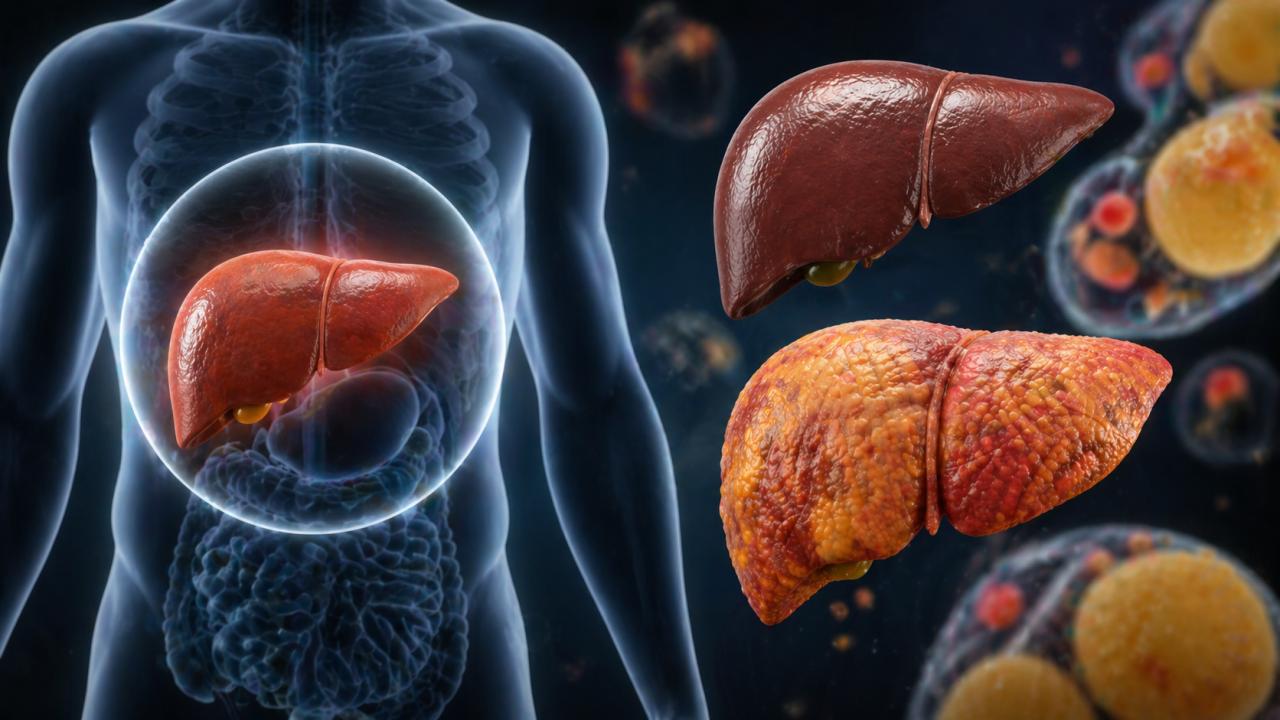
What Is Fatty Liver Disease?
The liver stores a small amount of fat normally. When fat makes up too much of the liver, it can cause inflammation (steatohepatitis), and over years some people develop scarring that can progress to cirrhosis. Most people with fatty liver will never reach that stage, but it is not possible to tell who will without assessment.
The good news is that fatty liver responds to the same measures that improve diabetes and heart health: weight loss, regular activity and control of blood sugar and lipids. The aim of specialist care is to find out how much scarring is present and to prevent progression.
Many people first hear the words 'fatty liver' on an ultrasound report done for something else, and it can be unsettling. It is very common, and for most people it can be improved with steady changes to weight, diet and activity.
Seeing a gastroenterologist helps to answer two questions: is fat the whole problem in the liver, and how much scarring, if any, is present. The answers decide how often you need to be reviewed and whether any treatment beyond lifestyle change is needed.
Symptoms of Fatty Liver
Fatty liver rarely causes clear symptoms, but you may notice:
- Usually none - it is often found on an ultrasound or a blood test done for another reason
- Tiredness
- Mild discomfort or heaviness under the right ribs
- In advanced disease: signs of cirrhosis such as swelling, jaundice or confusion
- A waist size that has been slowly increasing
- Slightly raised liver enzymes on a routine blood test
Symptoms vary from person to person. Having one or more of these does not confirm the condition - it means it is worth being checked.
When Should You See a Doctor Urgently for Fatty Liver?
Do not wait for an online appointment if you have any of the following. Call the hospital or go to the nearest emergency department.
- Yellow eyes or skin
- Swelling of the abdomen or legs
- Vomiting blood or black stools
- Confusion or unusual drowsiness
How We Assess Fatty Liver
At your first visit the doctor asks about your weight, diabetes, cholesterol, alcohol and medicines, and examines you. Blood tests and an ultrasound confirm fatty liver and rule out other liver diseases. The key next step is estimating how much scarring is present.
What Causes Fatty Liver?
- Excess weight, especially around the abdomen
- Type 2 diabetes and insulin resistance
- High triglycerides and cholesterol
- High blood pressure
- Some medicines and rapid weight loss
- Alcohol - a separate cause that adds to the damage
In practice, fatty liver almost always comes from a mix of weight around the waist, diabetes or pre-diabetes, and high triglycerides, often with a family tendency. Alcohol, even in amounts some people consider small, adds to the damage. Because these factors usually occur together, improving one often helps the others.
Investigations
- Blood tests
- Liver enzymes, tests to exclude other liver diseases, blood sugar and lipids.What to expect: A routine blood sample, sometimes after fasting so blood sugar and cholesterol can be measured accurately. Your doctor will tell you if fasting is needed.
- Ultrasound
- Shows fat in the liver and any change in its texture.What to expect: A painless scan with gel on the abdomen. You may be asked not to eat for a few hours beforehand.
- Fibrosis assessment
- Non-invasive scoring from blood tests and, where available, elastography (a scan that measures liver stiffness) estimate how much scarring is present. This decides how closely you need to be followed.What to expect: Usually a score worked out from your blood test results, and sometimes a painless scan that measures liver stiffness, similar to an ultrasound. No needle is involved.
- Liver biopsy
- Rarely needed, when the diagnosis or stage is unclear.What to expect: Rarely needed. A small sample is taken with a fine needle through the skin after a local anaesthetic, and you rest and are observed for some hours afterwards.
Treatment Options for Fatty Liver
The usual path
- Lifestyle change.
Gradual weight loss, healthier meals and regular activity are the foundation of treatment and help at every stage.
- Control the linked conditions.
Treating diabetes, cholesterol and blood pressure protects the liver as well as the heart.
- Regular review.
Blood tests and scarring checks at intervals your doctor sets show whether the liver is improving or needs more help.
- Medicines or weight-loss procedures for selected patients.
For people with more inflammation or scarring, medicines may be considered. For selected patients with obesity, ESG or bariatric surgery may be discussed.
Medicines & lifestyle
- Weight and activity
- Gradual weight loss of even a modest amount reduces liver fat and inflammation; regular exercise helps independently of weight.
- Controlling diabetes, lipids and blood pressure
- These conditions and fatty liver improve together; your doctors coordinate this care.
- Avoiding alcohol and unnecessary medicines
- Alcohol accelerates damage in a fatty liver.
- Medicines
- For selected patients with inflammation and scarring, medicines are now available and are considered by the specialist on an individual basis.
Other care
- Monitoring
- Periodic review of blood tests and scarring to catch progression early.
The right treatment depends on the cause, how severe it is and your overall health. Your doctor will discuss the options with you before anything is decided.
Frequently Asked Questions about Fatty Liver
I do not drink - how can I have fatty liver?
Most fatty liver today is unrelated to alcohol. It is driven by weight, diabetes and metabolic factors.
Is fatty liver reversible?
Yes, in the early stages. Fat and inflammation can resolve with weight loss and lifestyle change. Established scarring is harder to reverse, which is why early action matters.
Do I need a scan every year?
It depends on how much scarring is present. People with little or no scarring need less frequent review; those with more need closer follow-up. Your doctor will set the interval.
How quickly should I lose weight to help my liver?
Gradual weight loss through regular meals, smaller portions and daily activity is what helps. Even a modest loss reduces fat and inflammation in the liver. Crash diets and very rapid weight loss can actually worsen fatty liver, so the aim is steady change that you can keep up. Your doctor or dietitian can set a realistic target.
Can I take my regular medicines and painkillers with fatty liver?
Most prescribed medicines, including those for diabetes, cholesterol and blood pressure, are safe and often help the liver by improving the conditions that cause fatty liver. Avoid unnecessary painkillers, herbal or ayurvedic preparations and supplements unless your doctor has approved them, because some can damage the liver. Always tell any doctor treating you that you have fatty liver before a new medicine is started.
Can a thin person have fatty liver?
Yes. Fatty liver can occur in people of normal weight, especially when fat is carried around the waist, or with diabetes, high cholesterol or a family tendency. It is assessed and treated in the same way.
Is fatty liver linked to heart disease?
Yes. Fatty liver shares its causes with diabetes and heart disease, and heart and blood vessel problems are a common cause of illness in people with fatty liver. Controlling blood sugar, cholesterol and blood pressure protects both the heart and the liver.
Is there a special diet for fatty liver?
There is no single diet. What helps most is cutting down sugary drinks, sweets, refined flour and fried food, eating more vegetables, pulses and whole grains, and keeping portions sensible. Your doctor can suggest changes that fit your meals and routine.
Why Choose Gujarat Hospital for Fatty Liver
How we look after fatty liver at our main hospital in Adajan, Surat:
- Scarring checked, not just fat. Your follow-up is set by how much scarring is present, so people with mild disease are not over-tested and those at risk are watched closely.
- Other liver diseases ruled out. Blood tests look for hepatitis and other causes before fatty liver is taken as the cause.
- Practical, long-term advice. Weight, diet, activity, diabetes and cholesterol are reviewed together, because they improve together.
- Weight-loss procedures when they are right for you. For selected patients with obesity, endoscopic sleeve gastroplasty (ESG) and bariatric surgery are available at our Adajan hospital.
The information on this page is for general patient education and does not replace individual medical advice, diagnosis or treatment. Medical Disclaimer