
Stomach Surgery in Surat What to Expect
Stomach surgery covers operations on the stomach for cancer, bleeding or perforated ulcers, blockage at the stomach outlet, large benign tumours and, in selected patients, weight-loss surgery. Most are performed laparoscopically or with the surgical robot by our surgical gastroenterology team.
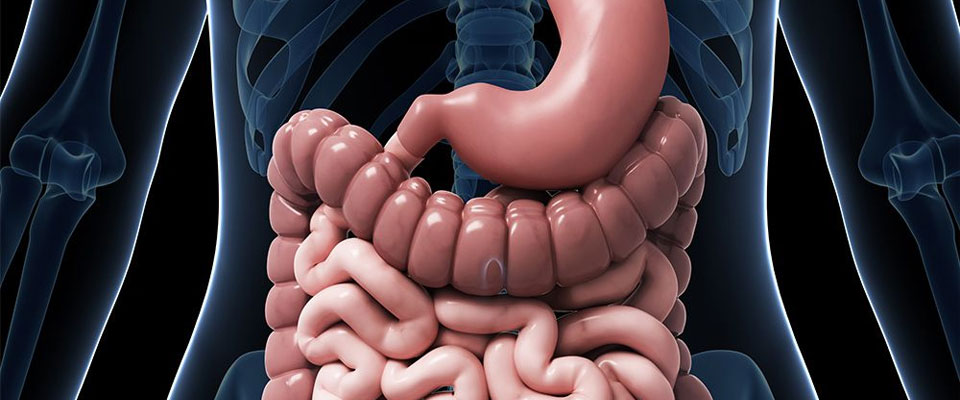
What is Stomach Surgery?
The stomach receives food from the food pipe, mixes it with acid and enzymes and passes it into the small intestine. Surgery on it ranges from repairing a small perforated ulcer to removing part or all of the stomach (gastrectomy) for cancer and reconstructing the digestive tract so that eating continues. Stomach cancer is common in India and is often found late because its early symptoms - indigestion, fullness after small meals, mild weight loss - are easy to dismiss.
Our surgical gastroenterologists at Adajan include a foregut surgeon with a special interest in the stomach and food pipe. Cancer operations are planned jointly with medical gastroenterology and oncology, and wherever it is safe they are performed by keyhole or robotic surgery, which means smaller incisions, less pain and a quicker return to eating and normal activity.
At Gujarat Gastro & Vascular Hospital, most stomach problems are first seen by the medical gastroenterology team on the same campus, whose endoscopy suite handles ulcers, bleeding and biopsies. Planned surgery is decided with you once the diagnosis is clear; a perforated or bleeding ulcer is treated as an emergency through the 24x7 emergency department.
When Does the Stomach Need an Operation?
Stomach surgery is needed for:
- Stomach cancer that can be removed completely, usually after staging scans and, for larger tumours, chemotherapy first See: cancers of the digestive system
- A perforated (burst) peptic ulcer, which is an emergency See: stomach pain and indigestion
- Bleeding from an ulcer that cannot be controlled by endoscopy See: black stool or blood in the stool
- Blockage at the outlet of the stomach (gastric outlet obstruction) from scarring or a tumour See: stomach pain and indigestion
- Large benign tumours such as GIST that need removal
- Severe obesity meeting the criteria for sleeve gastrectomy or gastric bypass See: bariatric (weight-loss) surgery
Indigestion and ulcers almost never need an operation. Surgery is for complications and for cancer, which is why persistent symptoms should be checked by endoscopy first.
Your Stomach Surgery Stay: Step by Step
Planned stomach surgery follows a set path from assessment to follow-up; the length of stay depends on the operation. Emergency operations for a perforated or bleeding ulcer go ahead after rapid resuscitation, without the planned preparation.
- Assessment and decision
Assessment first: endoscopy with biopsies, CT scan and, for cancer, often endoscopic ultrasound, PET scan or a staging laparoscopy. The surgeon explains the operation, its risks and the alternatives, and you decide together. Cancer patients may complete chemotherapy first, with surgery planned by the team afterwards.
- Fitness checks and preparation
Tests and a fitness assessment, including heart and lung checks for major surgery. Nutrition support if eating has been difficult or weight has been lost, stopping smoking and breathing exercises. You receive written fasting and medicine instructions.
- Admission
Admission at the main hospital in Adajan, fasting from the night before.
- The operation
Under general anaesthesia, usually through several small keyhole incisions, with the surgical robot in suitable patients. For cancer, part or all of the stomach is removed with the surrounding lymph nodes and the digestive tract is rejoined; a perforated ulcer is closed and the abdomen washed out; a blockage is relieved by removing the narrowed segment or by gastrojejunostomy (described in the next section).
- Hospital stay and going home
Keyhole ulcer repair: home in three to five days. Gastrectomy: a hospital stay of about seven to ten days, with sips of fluid from the first or second day and a gradual return to soft food. Follow-up is with the surgeon and, for cancer, the oncology team - at Adajan or at the OPD nearest you.
What Happens During Stomach Surgery
Assessment first: endoscopy with biopsies, CT scan and, for cancer, often endoscopic ultrasound, PET scan or a staging laparoscopy
The operation is performed under general anaesthesia, usually through several small keyhole incisions; the surgical robot is used in suitable patients
For cancer, the affected part of the stomach (partial gastrectomy) or the whole stomach (total gastrectomy) is removed together with the surrounding lymph nodes, and the small intestine is joined to the remaining stomach or to the food pipe
A perforated ulcer is closed with stitches and a patch of the body's own tissue and the abdomen is washed out; bleeding ulcers are under-run or the affected segment removed
Blockage is relieved by removing the narrowed segment or by joining the stomach directly to the small intestine (gastrojejunostomy)
Sleeve gastrectomy and gastric bypass for weight loss are described on the bariatric surgery page
What you will feel - and what you won't. The operation is done under general anaesthesia, so you feel nothing during it. Afterwards there is soreness at the small wounds, less than after an open incision, and it is controlled with regular pain relief so that you can breathe deeply and walk early. After gastrectomy, feeling full quickly and needing small meals is expected for some months while the digestive tract adapts. After an emergency ulcer operation recovery can feel slower, because you were unwell beforehand, and the team tells you what to expect.
How to Prepare for Stomach Surgery
- Tests and fitness. Tests and a fitness assessment, including heart and lung checks for major surgery.
- Eating well before surgery. Nutrition support before surgery if eating has been difficult or weight has been lost.
- If you are having cancer treatment first. Cancer patients may complete chemotherapy first, with surgery planned by the team afterwards.
- Lungs and breathing. Stopping smoking, and breathing exercises to reduce chest complications.
- Fasting and medicines. Fasting from the night before; your doctor will tell you which regular medicines to take on the morning of surgery. Please follow the written instructions exactly, especially for blood thinners and diabetes medicines.
- In an emergency. Emergency operations for perforation or bleeding go ahead after rapid resuscitation, without this preparation. Come to the 24x7 emergency department at Adajan at once for sudden severe abdominal pain or vomiting blood.
These are general points. The written instructions you receive from the hospital for your own procedure take priority - see also Patient Information.
After Stomach Surgery: Recovery & Eating Again
After ulcer repair. Keyhole ulcer repair: home in three to five days, back to normal diet within a week or two.
After gastrectomy. Gastrectomy: hospital stay of about seven to ten days, with sips of fluid from the first or second day and a gradual return to soft food. After removal of part or all of the stomach, meals are smaller and more frequent for several months, and vitamin B12 injections are needed for life after total gastrectomy.
Follow-up and getting back to normal. Follow-up with the surgeon and, for cancer, the oncology team for any further treatment. Gradual return to normal activity over four to six weeks after major surgery.
Is Stomach Surgery Safe?
All stomach surgery carries the general risks of anaesthesia, bleeding, infection and blood clots. Specific risks of gastrectomy are a leak at the join, delayed emptying and, later, nutritional deficiency and dumping (weakness and diarrhoea after sugary meals), which is why eating advice and follow-up are part of the treatment. Emergency surgery for a perforated or bleeding ulcer carries higher risk because patients are often unwell beforehand; early operation gives the best result.
Contact the hospital if you develop fever, increasing abdominal pain, persistent vomiting, black stools or wound discharge after you go home.
After a procedure, contact the hospital at once for severe pain, fever, vomiting, bleeding or breathlessness: Emergency 24×7: 90333 62020
Alternatives to Stomach Surgery
Many stomach problems do not need surgery: ulcers are treated with acid-suppressing medicines and eradication of H. pylori infection, bleeding is usually controlled at endoscopy, early cancers confined to the lining can sometimes be removed endoscopically (ESD), and cancers that cannot be removed are treated with chemotherapy and stenting to relieve blockage. Your gastroenterologist and surgeon will discuss which route is right for you.
Why Choose Gujarat Hospital for Stomach Surgery
Stomach surgery is safest when the endoscopy that finds the problem, the operation and the care afterwards are all in one place. At Gujarat Gastro & Vascular Hospital, Adajan, Surat:
- A foregut surgeon and a surgical gastroenterology team. Dr. Meet Desai, Consultant GI & Foregut Surgeon, performs gastric surgery laparoscopic and open; Dr. Naresh Gabani, Consultant Surgical Gastroenterologist & GI Robotic Surgeon, performs GI cancer and robotic surgery; Dr. Tejas Patel, Gastrointestinal & Bariatric Surgeon, performs sleeve gastrectomy and gastric bypass.
- Keyhole and robotic gastrectomy. Most operations are laparoscopic or robotic, and the robotic surgery system is used for cancer and bariatric surgery in suitable patients. Open surgery is used where that is safer.
- Endoscopy and surgery on the same campus. The medical gastroenterology team does the endoscopy, biopsies and EUS that stage a tumour, controls most ulcer bleeding at endoscopy and removes the earliest cancers by ESD - so surgery is offered only when it is the right treatment.
- 24x7 emergency care and a 9-bed ICU. A perforated or bleeding ulcer is assessed round the clock in the emergency department and operated on without delay. Patients who need close monitoring after a major operation are looked after in the intensive care unit with ventilator support.
Frequently Asked Questions about Stomach Surgery
Can I live without a stomach?
Yes. After total gastrectomy the small intestine is joined to the food pipe and takes over. Meals are smaller and more frequent, and vitamin B12 injections and regular blood tests are needed, but most people return to a normal life.
Will I need chemotherapy as well as surgery for stomach cancer?
Often. For larger tumours chemotherapy is usually given first, with surgery planned by the team afterwards, and further treatment may follow depending on the pathology report. The sequence is decided jointly by the surgeon, gastroenterologist and oncologist, and the reasoning is explained to you at each step.
Is stomach cancer surgery done by keyhole?
Yes, whenever the tumour and the patient's condition allow. Laparoscopic and robotic gastrectomy remove the same amount of tissue and lymph nodes as open surgery with smaller wounds and a quicker recovery.
What is the difference between partial and total gastrectomy?
In partial gastrectomy only the affected part of the stomach is removed and the small intestine is joined to what remains. In total gastrectomy the whole stomach is removed and the small intestine is joined directly to the food pipe. Which is needed depends on where the tumour is. After either, meals are smaller and more frequent for some months; after total gastrectomy vitamin B12 injections are needed for life.
How urgent is a perforated ulcer?
It is an emergency. Sudden severe abdominal pain with a rigid abdomen needs immediate hospital assessment; surgery within hours gives the best chance of a straightforward recovery.
Will my indigestion need surgery?
Almost never. Indigestion and ulcers are treated with medicines. Surgery is for complications - perforation, uncontrolled bleeding, blockage - and for cancer, which is why persistent symptoms, especially after 40, should be checked by endoscopy.
Will I need intensive care after stomach surgery?
After a keyhole ulcer repair or partial gastrectomy most patients go to the ward. After a major operation, or an emergency operation in a patient who was unwell beforehand, the first day or two may be spent in the 9-bed ICU with ventilator support on the same campus. Your surgeon tells you beforehand what to expect.
How long is recovery after gastrectomy?
Most patients are home within ten days and back to light activity in four to six weeks. Adjusting to smaller meals takes a few months, with support from the dietitian and surgical team.
The information on this page is for general patient education and does not replace individual medical advice, diagnosis or treatment. Medical Disclaimer