
Viral and Autoimmune Hepatitis in Surat What to Expect
Hepatitis means inflammation of the liver. Viruses (A, B, C, E) are the commonest cause; in autoimmune hepatitis the body's own immune system attacks the liver. Most forms are treatable, and chronic hepatitis B and C need long-term specialist care.
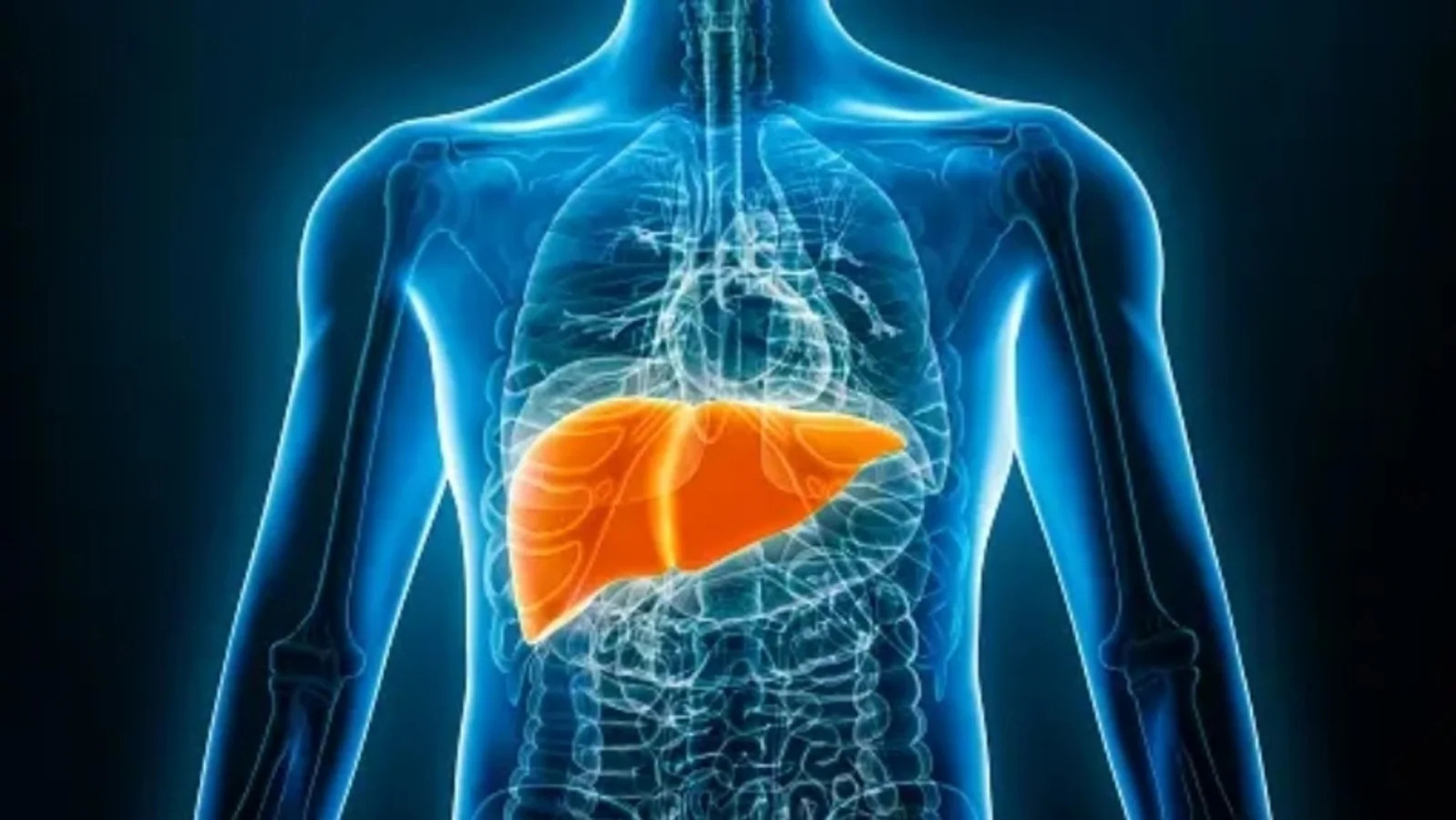
What Is Hepatitis?
Hepatitis A and E spread through contaminated food and water, cause an acute illness with jaundice, and almost always settle fully. Hepatitis B and C spread through blood and body fluids and can silently persist for years, slowly damaging the liver; they are now controllable (B) or curable (C) with modern medicines. Autoimmune hepatitis is less common, affects women more often, and responds well to immune-suppressing treatment once diagnosed.
Because chronic hepatitis often has no symptoms until late, testing people at risk - and anyone with abnormal liver blood tests - is the key to preventing cirrhosis and liver cancer.
Being told you have hepatitis, or that a blood test showed hepatitis B or C, can be frightening. Most forms of hepatitis can now be controlled or cured, and many people with chronic hepatitis live normal lives with regular check-ups.
The first step is to confirm which type of hepatitis you have and how active it is. That decides whether you need treatment now, which medicine suits you, and how often your liver should be checked.
Symptoms of Viral and Autoimmune Hepatitis
Hepatitis can cause clear symptoms, or none at all. You may notice:
- Tiredness, loss of appetite, nausea
- Yellow eyes and skin, dark urine
- Pain or discomfort under the right ribs
- Fever and body aches in acute infection
- Joint pains, rashes or itching in some types
- Often no symptoms at all in chronic hepatitis B or C
- Feeling unusually tired for weeks
- Pale stools along with dark urine
- A positive hepatitis B or C test found during blood donation, pregnancy or a check-up before surgery
Symptoms vary from person to person. Having one or more of these does not confirm the condition - it means it is worth being checked.
When Should You See a Doctor Urgently for Hepatitis?
Do not wait for an online appointment if you have any of the following. Call the hospital or go to the nearest emergency department.
- Jaundice with confusion, drowsiness or bleeding - possible liver failure
- Persistent vomiting or inability to eat or drink
- Jaundice in pregnancy
- Severe abdominal pain or a swollen abdomen
How We Diagnose the Type of Hepatitis
At your first visit the doctor asks about your symptoms, past blood transfusions or injections, family history, alcohol and any herbal remedies, and examines you. Blood tests confirm the type of hepatitis, and further tests show how active it is and whether the liver is scarred.
What Causes Hepatitis?
- Hepatitis A and E: contaminated water or food
- Hepatitis B and C: unscreened blood transfusion, unsterile injections or instruments, from mother to baby, or sexual contact
- Autoimmune hepatitis: an immune-system disorder, sometimes with other autoimmune conditions
- Alcohol, medicines and herbal preparations can cause a similar picture
Short-lived jaundice in a young person, especially after eating outside or during the monsoon, is often due to hepatitis A or E. Hepatitis B and C are often found by chance on a routine test, sometimes years after the infection was picked up. Autoimmune hepatitis is less common and is usually suspected when viral tests are negative.
Investigations
- Blood tests
- Liver function tests and specific viral markers identify the type of hepatitis; autoantibodies and immunoglobulins point to autoimmune hepatitis.What to expect: A routine blood sample. Several tests are usually done from the same sample, and your doctor explains each result with you.
- Viral load and genotype
- For hepatitis B and C, these guide the choice and duration of treatment.What to expect: A blood sample that measures how much virus is present and, for hepatitis C, which type it is. The test is repeated during treatment to check that it is working.
- Ultrasound and fibrosis assessment
- Show the state of the liver and how much scarring is present.What to expect: A painless scan with gel on the abdomen, and sometimes a scan that measures liver stiffness. You may be asked not to eat for a few hours beforehand.
- Liver biopsy
- Sometimes needed to confirm autoimmune hepatitis or to stage chronic disease.What to expect: A small sample is taken with a fine needle through the skin after a local anaesthetic, usually guided by ultrasound. You rest and are observed for some hours afterwards.
Treatment Options for Hepatitis B, C and Autoimmune Hepatitis
The usual path
- Confirm the type.
Blood tests show whether the hepatitis is viral or autoimmune, and how active it is.
- Supportive care for short-lived hepatitis.
Hepatitis A and E usually need rest, fluids and a light diet while the liver recovers, with check-ups until the tests return to normal.
- Medicines for chronic or autoimmune hepatitis.
Antiviral tablets for hepatitis B and C, and immune-suppressing medicines for autoimmune hepatitis, are started and adjusted with regular blood tests.
- Long-term monitoring.
If scarring is present, follow-up includes checks for varices and screening for liver cancer, so problems are found early.
Medicines & lifestyle
- Hepatitis A and E
- Rest, fluids and supportive care; specific treatment is rarely needed. Household members should be advised on prevention and vaccination where available.
- Hepatitis B
- Antiviral tablets that suppress the virus and protect the liver, often taken long-term, with regular monitoring including screening for liver cancer.
- Hepatitis C
- Modern direct-acting antiviral tablets cure the great majority of patients in a few months.
- Autoimmune hepatitis
- Steroids followed by longer-term immune-suppressing medicines, with careful monitoring.
Other care
- Vaccination
- Hepatitis A and B vaccines protect family members and those at risk.
The right treatment depends on the cause, how severe it is and your overall health. Your doctor will discuss the options with you before anything is decided.
Frequently Asked Questions about Hepatitis
Can hepatitis B be cured?
It can be controlled very effectively with medicines, and some patients clear the virus, but most need long-term treatment and monitoring. Hepatitis C, in contrast, is usually curable.
Should my family be tested?
For hepatitis B and C, yes - close contacts should be tested and vaccinated against B if not immune.
Can I take herbal medicines for jaundice?
Please do not without discussing it. Several herbal and traditional preparations can themselves injure the liver, and delay in proper treatment can be harmful.
Can I stop hepatitis B tablets once my liver tests are normal?
Not on your own. Normal liver tests usually mean the medicine is suppressing the virus, not that the infection has cleared, and stopping suddenly can cause the virus to rebound with a severe flare of hepatitis. The decision to stop is made by your hepatologist after specific blood tests, and only in a minority of patients.
What precautions should a pregnant woman with hepatitis B take?
Hepatitis B can pass from mother to baby around the time of birth, so the viral load is checked during pregnancy and antiviral tablets may be advised in the later months if it is high. The baby is given the hepatitis B vaccine and immunoglobulin within hours of birth, which prevents infection in almost all cases. Tell your obstetrician and our liver clinic as early as possible so this can be planned.
Is there a vaccine for hepatitis C?
No. Vaccines are available for hepatitis A and B, but not for hepatitis C. It is prevented by avoiding shared needles, razors and toothbrushes and by insisting on sterile instruments, and it can usually be cured with tablets.
Can I live and eat normally with my family if I have hepatitis B?
Yes. Hepatitis B does not spread through sharing food, utensils, hugging or everyday contact. Avoid sharing razors and toothbrushes, cover cuts, and make sure close family members are tested and vaccinated.
Is autoimmune hepatitis lifelong?
Usually it needs long-term treatment. Once the liver settles, the medicine is often reduced to the lowest dose that keeps it quiet. Some people can stop treatment under close supervision, but the condition can return, so never stop on your own.
Why Choose Gujarat Hospital for Hepatitis Care
How we look after viral and autoimmune hepatitis at our main hospital in Adajan, Surat:
- A consultant with special interest in the liver leads the care of chronic hepatitis, with the medical gastroenterology team.
- The type confirmed before treatment starts. Viral markers, viral load and autoimmune tests decide which medicine is needed, and for how long.
- Long-term follow-up close to home. Review visits are available at Adajan and at our OPDs in Varachha, Bharuch, Navsari and Vapi.
- Complications looked for early. If scarring is present, endoscopy to check for swollen veins in the food pipe is done in our endoscopy suite.
The information on this page is for general patient education and does not replace individual medical advice, diagnosis or treatment. Medical Disclaimer