
Thread Veins in Surat What to Expect
Thread veins, or spider veins, are fine red, blue or purple veins visible just under the skin, most often on the legs and face. They are harmless in themselves but can be a sign of underlying vein disease and are treated for cosmetic reasons or for aching.
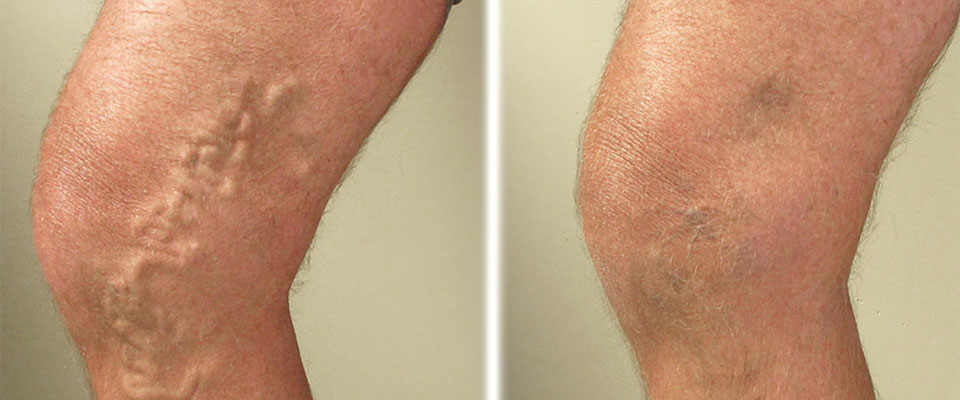
What Are Thread Veins (Spider Veins)?
Thread veins are tiny dilated vessels in the skin. On the legs they often appear on the thighs, behind the knees and around the ankles, and about a third of people who ask about them turn out to have faulty deeper veins that feed them. Treating the thread veins alone in that situation gives a poor, short-lived result, so a duplex ultrasound is advised before treatment.
The standard treatment for leg thread veins is microsclerotherapy - injecting a tiny volume of a solution that closes the vein - usually over two or three sessions. Fine facial veins respond better to laser or intense pulsed light.
Thread veins are very common and harmless, and many people simply want to know whether they are a sign of something more. If your legs also ache, swell or have larger visible veins, it is worth having them checked, because a deeper vein problem may be present.
The visit is about looking at the whole leg, not just the skin. The vascular surgeon checks whether larger veins are feeding the thread veins, treats those veins if needed, and advises you on whether treating the thread veins themselves is worthwhile.
Signs of Thread Veins
Thread veins often appear gradually over years. You may also notice:
- Networks of fine red or purple lines on the thighs, calves or ankles
- Bluish veins slightly larger than thread veins (reticular veins) feeding them
- Itching, aching or burning over the area in some people
- Aching, heaviness or swelling of the leg when deeper vein disease is present
- New veins appearing after a pregnancy
- Clusters that look darker after standing for a long time
Symptoms vary from person to person. Having one or more of these does not confirm the condition - it means it is worth being checked.
When Should You See a Doctor Promptly About Leg Veins?
Do not wait for an online appointment if you have any of the following. Call the hospital or go to the nearest emergency department.
- Thread veins are not an emergency; sudden painful swelling of the leg or bleeding from a vein should be assessed promptly
How We Check Thread Veins and the Veins Feeding Them
At your first visit the surgeon asks about your symptoms, pregnancies and any family history, and looks at the legs while you stand. A duplex ultrasound shows whether a faulty larger vein lies behind the thread veins.
What Causes Thread Veins?
- Family history
- Female hormones, pregnancy and hormone treatment
- Prolonged standing
- Increasing age and sun exposure (face)
- Underlying varicose veins or faulty valves in the deeper veins
- Previous injury to the leg
Thread veins often run in families and are more common in women, partly because of hormones. They tend to increase with age, pregnancy and long hours on your feet. Sometimes a faulty larger vein raises the pressure in the skin veins, which is why a scan is helpful before deciding on treatment.
Investigations
- Examination
- Distribution and size of the veins and any signs of deeper vein disease.What to expect: You stand while the surgeon looks at the veins on both legs. It is painless and takes a few minutes.
- Duplex ultrasound
- Checks whether the thread veins are fed by faulty larger veins that need treatment first.What to expect: A painless scan with gel and a probe on the leg, done mostly while you stand. The vascular team explains whether any larger veins need treatment.
Treatment Options for Thread Veins
The usual path
- Ease the symptoms.
Compression stockings, walking and raising the legs help with aching and may slow the appearance of new veins.
- Scan the leg veins.
A duplex scan checks whether faulty larger veins are feeding the thread veins.
- Treat the feeding veins.
If faulty veins are found, they are closed with foam sclerotherapy, laser, radiofrequency or VenaSeal glue, usually as a day case.
- Plan for the thread veins.
The surgeon advises on treating the fine veins themselves and what result you can expect.
- Microsclerotherapy
- Injection of a sclerosant solution through a very fine needle; the veins fade over several weeks. Two or three sessions are usual, with compression stockings for a short period afterwards.
- Treating the feeding veins first
- Foam sclerotherapy, laser, radiofrequency or glue closure of the faulty veins found on ultrasound.
- Laser or intense pulsed light
- For fine facial veins and some leg veins too small to inject.
- Compression stockings and lifestyle
- Reduce aching and slow the appearance of new veins.
The right treatment depends on the cause, how severe it is and your overall health. Your doctor will discuss the options with you before anything is decided.
Frequently Asked Questions about Thread Veins
Are thread veins dangerous?
No. They do not cause clots or ulcers. Treatment is mainly cosmetic, unless they ache or are a sign of deeper vein problems.
Will they come back?
Treated veins do not return, but new ones can form over the years, especially if the underlying tendency is strong. Maintenance sessions are sometimes needed.
Does sclerotherapy hurt?
Most people feel only a mild sting. There may be some bruising or brown staining afterwards, which usually fades over weeks to months.
What should I do after a microsclerotherapy session?
Wear the compression stockings for the period advised, walk regularly, and avoid hot baths, saunas, sunbathing on the treated area and strenuous leg exercise for a few days. Long journeys and standing still for long periods are best avoided immediately afterwards. Slight redness, itching or small lumps along the treated veins are normal and fade; the veins themselves disappear gradually over several weeks.
Can thread veins be treated during pregnancy?
Treatment is deferred until after pregnancy and breastfeeding. Thread veins often appear or worsen during pregnancy because of hormones and pressure on the leg veins, and some fade on their own in the months after delivery. Compression stockings, walking and leg elevation help in the meantime, and assessment is planned once the body has settled.
Why do I need a scan for small thread veins?
Thread veins on the legs are sometimes fed by larger faulty veins that cannot be seen from the surface. If those are not treated, the thread veins tend to come back. The duplex scan is painless and shows this clearly.
Can creams or tablets remove thread veins?
No cream or tablet makes thread veins disappear. Sun protection can help prevent new veins on the face, and compression stockings can ease aching in the legs, but the veins themselves stay until they are treated.
Are thread veins the same as varicose veins?
No. Thread veins are tiny vessels in the skin, while varicose veins are larger, bulging veins under the skin. The two often appear together, and the scan shows whether you have both.
Why Choose Gujarat Hospital for Thread Veins
How we look after thread veins at our main hospital in Adajan, Surat:
- A vascular surgeon looks at the whole leg, not just the skin, so a deeper vein problem is not missed.
- Duplex ultrasound by the vascular team. The scan shows whether faulty larger veins are feeding the thread veins.
- Feeding veins treated as a day case. Foam sclerotherapy, laser, radiofrequency or VenaSeal glue closure of the faulty veins is done under local anaesthetic.
- Clear advice on the thread veins themselves. The surgeon explains whether treatment of the fine veins is worthwhile for you and what result to expect.
The information on this page is for general patient education and does not replace individual medical advice, diagnosis or treatment. Medical Disclaimer