
Varicose Veins in Surat What to Expect
Varicose veins are enlarged, twisted veins in the legs caused by faulty valves. They range from a cosmetic concern to a cause of aching, swelling, skin damage and ulcers. Modern treatments are minimally invasive and usually done as day cases.
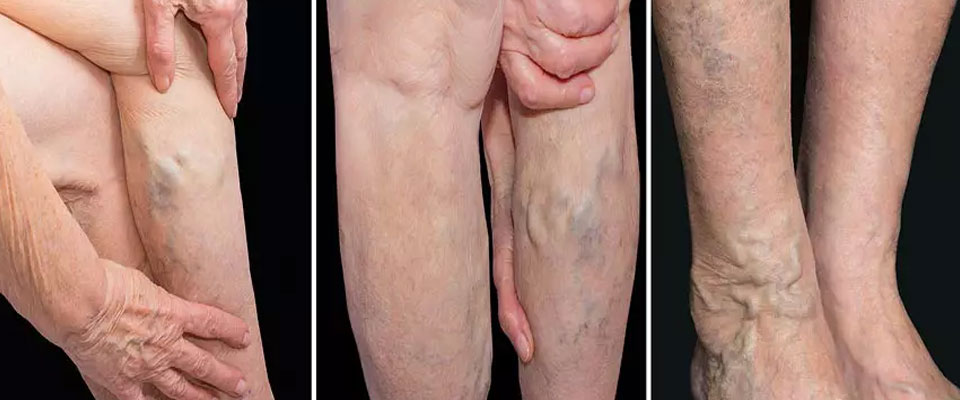
What Are Varicose Veins?
Veins carry blood back up to the heart against gravity, helped by one-way valves. When valves fail, blood pools and the vein stretches. Over years this can lead to swelling, skin discolouration, eczema and ulcers around the ankle. Varicose veins are not dangerous in themselves, but they do not improve on their own and skin changes are a sign to treat.
Surgical stripping has largely been replaced by treatments that close the faulty vein from inside - laser or radiofrequency ablation, glue, or foam injection - under local anaesthetic, with a return to normal activity the same day. Our vascular and endovascular surgeon assesses each patient with duplex ultrasound and chooses the method that suits the vein.
Varicose veins are very common, and many people live with them for years before seeking advice. If your veins cause no trouble, there is usually no rush, but aching, swelling or changes in the skin around the ankle are signs that the veins are affecting the leg and treatment is worth discussing.
The visit is about finding which veins are faulty and choosing the method that suits them. Telling the doctor how long you have had the veins, whether they ache or swell, and whether you have had a clot before helps plan the scan and the treatment.
Symptoms of Varicose Veins
Varicose veins often feel worse at the end of the day. You may also notice:
- Visible bulging, twisted veins on the leg
- Aching, heaviness or tiredness of the legs, worse at the end of the day or after standing
- Swelling of the ankle
- Itching, eczema or brown discolouration of the skin around the ankle
- Night cramps
- Bleeding from a vein, or an ulcer that will not heal
- Legs that feel better when raised or after a night's rest
- Restless legs or throbbing in the evening
- Veins that become more prominent in hot weather
Symptoms vary from person to person. Having one or more of these does not confirm the condition - it means it is worth being checked.
When Do Varicose Veins Need Urgent Attention?
Do not wait for an online appointment if you have any of the following. Call the hospital or go to the nearest emergency department.
- Bleeding from a varicose vein that does not stop with pressure and elevation
- A hot, red, hard, painful vein (superficial thrombophlebitis)
- Sudden swelling and pain of the whole leg - possible deep vein thrombosis
- An ulcer that is enlarging or infected
How We Assess Varicose Veins
At your first visit the surgeon asks about your symptoms and any previous clots, and examines your legs standing up. A duplex ultrasound maps the faulty veins and checks the deep veins. If you have an ulcer, the blood supply to the leg is checked as well before compression is used.
Why Do Varicose Veins Develop?
- Faulty valves in the leg veins - often inherited
- Prolonged standing, pregnancy, obesity
- Previous deep vein thrombosis damaging the valves
- Increasing age
Varicose veins often run in families and are more common in women and in people whose work keeps them standing. Pregnancy, weight gain and age add to the strain on the valves. Nothing you did caused them on its own, and once a valve has failed it does not repair itself, though walking, raising the legs and stockings ease the symptoms.
Investigations
- Clinical examination
- Assessment of the veins and any skin changes.What to expect: You stand while the surgeon looks at the veins and the skin of both legs. It is painless and takes a few minutes; wear clothing that lets the legs be uncovered easily.
- Duplex ultrasound
- The essential test: shows which valves are leaking and maps the veins, and excludes deep vein thrombosis. Done by our vascular team.What to expect: A painless scan with gel and a probe on the leg, done mostly while you stand. The vascular team may squeeze your calf gently to check the valves, and you are told what it shows.
- Assessment of arterial supply
- Where ulcers are present, to be sure the arteries are healthy before compression is used.What to expect: The pulses in your feet are felt, and blood pressures at the ankle and arm may be measured with a cuff. It is painless and shows whether compression is safe.
Treatment Options for Varicose Veins
The usual path
- Ease the symptoms.
Walking, raising the legs and compression stockings reduce aching and swelling, and may be all that milder veins need.
- Map the veins.
A duplex scan shows which valves are leaking and helps the surgeon choose the right method.
- Close the faulty vein.
VenaSeal glue, radiofrequency or laser closes the vein from inside, and foam treats smaller veins, usually as a day case under local anaesthetic.
- Follow up.
You are reviewed after treatment, often with a scan, and any remaining surface veins can be treated if needed.
- Compression stockings and lifestyle
- Reduce symptoms and swelling; useful for milder veins and while waiting for treatment.
- Endovenous ablation
- Laser or radiofrequency energy delivered inside the vein through a small catheter seals it; under local anaesthetic, walking immediately.
- Glue closure and foam sclerotherapy
- Alternatives that close veins without heat; foam is also used for smaller veins.
- Phlebectomy
- Removal of surface bulging veins through tiny incisions, often combined with ablation.
- Ulcer care
- Compression bandaging with treatment of the underlying veins heals most venous ulcers and prevents recurrence.
The right treatment depends on the cause, how severe it is and your overall health. Your doctor will discuss the options with you before anything is decided.
Frequently Asked Questions about Varicose Veins
Are varicose veins dangerous?
Usually not, but they can lead to skin damage and ulcers and, occasionally, clots. Skin changes are the signal to treat rather than wait.
Will the veins come back?
New veins can develop over years, but modern ablation has low recurrence, and follow-up scans catch any early.
Do I need to be admitted?
Almost all treatments are day procedures under local anaesthetic. You walk out and resume normal activity, avoiding heavy exercise for a short period.
Do compression stockings cure varicose veins?
No. Stockings support the veins and reduce aching and swelling, but they do not repair the faulty valves, and the veins return to their previous state when the stockings are removed. They are useful for milder veins, during pregnancy, and while waiting for treatment. Once skin changes appear, closing the faulty vein is what stops the damage progressing.
When can I drive after varicose vein treatment?
Treatment is done under local anaesthetic, so there is no sedation to recover from, but the leg may be sore and bandaged for a few days. Most patients can drive again within a day or two, once they can move the leg freely and perform an emergency stop comfortably. Your surgeon will confirm the timing for you based on which treatment was done.
Which doctor should I see for varicose veins?
A vascular surgeon, who can scan the veins and offer every main treatment. You can book at our Adajan hospital or at the OPD nearest you; the scan and the treatment are done at Adajan.
Is it better to treat varicose veins before or after pregnancy?
Treatment is usually planned after pregnancy and breastfeeding, as veins often improve in the months after delivery. Compression stockings, walking and raising the legs help in the meantime.
What should I do if a varicose vein starts bleeding?
Lie down, raise the leg above the level of your heart and press firmly on the spot with a clean cloth. If the bleeding does not stop, come to the emergency department. A vein that has bled should be assessed for treatment.
Why Choose Gujarat Hospital for Varicose Veins
How we look after varicose veins at our main hospital in Adajan, Surat:
- Every main method under one surgeon. VenaSeal glue, radiofrequency, laser and foam sclerotherapy are all performed by our vascular surgeon, so the method is chosen to suit your vein.
- Duplex ultrasound by the vascular team. Your veins are mapped before the decision and again on the day of treatment, and the catheter is guided under ultrasound.
- A day case under local anaesthetic. There is no general anaesthetic for most patients, and you walk out in a compression stocking.
- Skin changes and ulcers treated at the cause. Ulcers and skin changes around the ankle often heal better once the faulty vein is treated, and the arterial supply is checked where an ulcer is present.
The information on this page is for general patient education and does not replace individual medical advice, diagnosis or treatment. Medical Disclaimer