
Surgery for Cancers of the Digestive System in Surat What to Expect
Surgery is the main curative treatment for most cancers of the food pipe, stomach, colon, rectum, liver, bile duct and pancreas. Our surgical gastroenterologists perform these operations - laparoscopically, robotically or open - and plan each case jointly with gastroenterology and oncology.
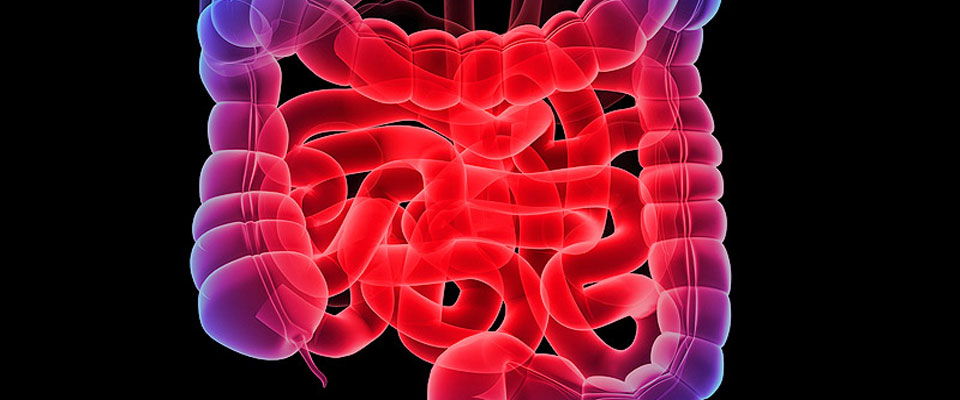
What is Surgery for Cancers of the Digestive System?
Cancer surgery removes the tumour together with a margin of healthy tissue and the lymph nodes that drain it, so that the pathologist can confirm complete removal and stage the disease. The operation depends on the organ: oesophagectomy, gastrectomy, colectomy or rectal resection, liver resection, bile duct resection, or Whipple's operation for the pancreatic head.
Chemotherapy or radiotherapy is often given before surgery to shrink the tumour or after it to reduce recurrence, in a sequence agreed by the team. Nutrition, fitness and support for the patient and family are planned from the first consultation. Where cure is not possible, surgery or endoscopy may still relieve obstruction or bleeding.
At Gujarat Gastro & Vascular Hospital in Adajan, Surat, these operations are performed laparoscopically, robotically or open, as planned for each patient. The medical gastroenterology team that makes the diagnosis at endoscopy and EUS is on the same campus, and a 9-bed ICU with ventilator support is there for the days after a major operation.
Which Digestive Cancers Are Treated by Surgery?
Surgery is the main treatment for:
- Cancers of the food pipe and stomach See: cancers of the digestive system
- Cancers of the colon and rectum See: colon and rectal conditions
- Liver tumours - primary and metastatic - that can be removed See: liver tumours and liver cancer
- Cancers of the gallbladder and bile duct See: gallbladder and bile duct cancers
- Cancers of the pancreas and ampulla See: pancreatic cancer
- Relief of obstruction or bleeding when cure is not possible
The plan depends on the type and stage of the cancer and on your fitness. Surgery is never the first step; it is decided with you after staging is complete and the team has met.
Your Cancer Surgery Stay: Step by Step
Cancer surgery is a planned operation that follows weeks of staging and preparation. This is the usual path from the first consultation to follow-up; the length of stay depends on the organ being operated on.
- Staging and the team decision
Staging with CT, MRI, PET-CT, endoscopy and endoscopic ultrasound, with the surgeon and gastroenterologist reviewing the results together. You receive a full explanation of the operation, its aims, risks and alternatives, with time for questions and a second opinion if wished.
- Preparation and anaesthetic check
Blood tests, heart and lung assessment, and correction of anaemia or nutrition. Any chemotherapy planned before surgery is completed, and prehabilitation - walking, breathing exercises, stopping smoking and alcohol - starts at the first consultation. You receive written fasting and medicine instructions.
- Admission
Admission at the main hospital in Adajan, fasting as instructed.
- The operation
Under general anaesthesia the tumour, margin and lymph nodes are removed and the digestive tract is reconstructed - laparoscopically, robotically or open as planned (described in the next section).
- Recovery, going home and follow-up
Recovery on the ward with early mobilisation and nutrition, and ICU care where needed. Hospital stay runs from a few days for colon surgery to one to two weeks for major liver, pancreatic or oesophageal surgery. Pathology results are discussed at follow-up, at Adajan or at the OPD nearest you, with a plan for any chemotherapy or radiotherapy.
What Happens During Digestive Cancer Surgery
Staging with CT, MRI, PET-CT, endoscopy and endoscopic ultrasound, with the surgeon and gastroenterologist reviewing the results together
Pre-operative preparation: nutrition, fitness, anaesthetic assessment, and any chemotherapy planned before surgery
The operation under general anaesthesia - laparoscopic, robotic or open as planned - removing the tumour, margin and lymph nodes and reconstructing the digestive tract
Recovery on the ward with early mobilisation and nutrition, and ICU care where needed
Pathology review and a joint decision on further treatment
What you will feel - and what you won't. The operation is done under general anaesthesia, so you are asleep and feel nothing during it. Afterwards there is wound pain, less after keyhole or robotic surgery than after an open incision, and it is controlled with regular pain relief so that you can breathe deeply and walk early. Tiredness and a reduced appetite are normal for some weeks after major surgery. Drains or a feeding tube, if used, are uncomfortable rather than painful and are removed as recovery allows. The team tells you what to expect for your particular operation.
How to Prepare for Cancer Surgery
- Understanding the operation. A full explanation of the operation, its aims, risks and alternatives, with time for questions and a second opinion if wished.
- Tests and getting fit. Blood tests, heart and lung assessment, and correction of anaemia or nutrition. Stopping smoking and alcohol as early as possible before surgery.
- Fasting and medicines. Fasting and medicine instructions from the team. Tell the team about every medicine you take, especially blood thinners and diabetes medicines, and follow the written instructions exactly.
These are general points. The written instructions you receive from the hospital for your own procedure take priority - see also Patient Information.
After Cancer Surgery: Recovery & Further Treatment
The hospital stay. Hospital stay from a few days for colon surgery to one to two weeks for major liver, pancreatic or oesophageal surgery. After a major operation the first day or two may be in the ICU.
Eating and activity. A gradual return to normal eating, with dietetic guidance. Wound care and increasing activity over weeks.
Further treatment. Pathology results discussed at follow-up, with a plan for any chemotherapy or radiotherapy.
Long-term follow-up. Long-term follow-up with scans and blood tests at set intervals. Follow-up visits can be at Adajan or at the OPD nearest you.
Is Digestive Cancer Surgery Safe?
Major cancer surgery carries real risks - bleeding, infection, leaks at joins in the bowel or ducts, blood clots, chest complications and, rarely, death - which depend on the operation and your fitness and are discussed honestly before consent.
Long-term effects on digestion vary by operation and are explained beforehand.
Recovery is slower in older or frailer patients; prehabilitation helps.
Contact the hospital if you develop fever, increasing pain, wound redness or discharge, vomiting, or are unable to eat or drink after you go home.
After a procedure, contact the hospital at once for severe pain, fever, vomiting, bleeding or breathlessness: Emergency 24×7: 90333 62020
Alternatives to Surgery for Digestive Cancers
Endoscopic removal for very early tumours confined to the lining.
Chemotherapy, radiotherapy, targeted and immune therapies as the main treatment when surgery is not possible or not wanted.
Stents and other procedures to relieve symptoms.
Why Choose Gujarat Hospital for Digestive Cancer Surgery
Cancer surgery goes well when the diagnosis, the operation and the treatment afterwards are planned together. At Gujarat Gastro & Vascular Hospital, Adajan, Surat:
- Surgeons who cover every organ of the digestive system. Dr. Naresh Gabani, Consultant Surgical Gastroenterologist & GI Robotic Surgeon, performs Whipple and Frey procedures and pancreas, liver and GI cancer surgery; Dr. Meet Desai, Consultant GI & Foregut Surgeon, performs oesophageal, gastric, HPB and pancreatic surgery; Dr. Sanket Sherekar, Consultant Colorectal and Anorectal Surgeon, performs laparoscopic and robotic colorectal surgery.
- Keyhole and robotic cancer surgery. The robotic surgery system is used for cancer surgery in suitable patients, and most operations are laparoscopic or robotic. Open surgery is used where it is safer.
- Staging and surgery on the same campus. Upper GI endoscopy, colonoscopy, EUS, ERCP and SpyGlass are done by the medical gastroenterology team here, so staging and the decision about surgery are made in one place. Very early tumours confined to the lining can be removed endoscopically (ESD/EMR) by the same team.
Frequently Asked Questions about Digestive Cancer Surgery
Is surgery always needed for digestive cancer?
No. Very early tumours may be removed endoscopically, and advanced tumours are treated mainly with chemotherapy. The plan depends on stage, type and fitness.
Can digestive cancer surgery be done by keyhole or robot?
Often, yes. Most operations at Gujarat Hospital are laparoscopic or robotic, and the robotic system is used for cancer surgery in suitable patients. The amount of tissue and the lymph nodes removed are the same as in open surgery, with smaller wounds. Open surgery is chosen where it is safer for your tumour or anatomy.
How do you decide the order of surgery and chemotherapy?
The surgeon and gastroenterologist review the scans and reports together, following established guidelines for the tumour type and stage. The reasoning is explained to you.
Will I need intensive care after the operation?
After major liver, pancreatic or oesophageal surgery, the first day or two are usually spent in the intensive care unit for close monitoring; the hospital has a 9-bed ICU with ventilator support on the same campus. After colon surgery most patients go straight to the ward. Your surgeon tells you beforehand what to expect.
What happens after the operation?
Recovery on the ward, then follow-up with the pathology results and a decision about further treatment. Regular scans follow for several years.
What is prehabilitation and why does it matter before cancer surgery?
Prehabilitation means using the weeks before the operation to get as fit as possible - daily walking or exercise, correcting anaemia and poor nutrition, breathing exercises and stopping smoking and alcohol. Patients who arrive in better condition have fewer chest and wound complications and recover faster. Our team starts this at the first consultation, alongside any chemotherapy planned before surgery.
Can I have my follow-up near home instead of at Adajan?
Yes. The operation is done only at Adajan, but follow-up visits can be at the OPD nearest you - Varachha, Bharuch, Navsari or Vapi. Scans and blood tests at set intervals are arranged through the same team, and the results are explained at your visit.
What warning signs should I watch for after I go home from major digestive surgery?
Contact the hospital at once if you develop fever or shivering, worsening abdominal pain or a swollen abdomen, vomiting, redness or discharge from the wound, a painful swollen calf, breathlessness, or if you cannot eat or drink. Leaks and infections can develop after discharge, and treating them early is far simpler than treating them late. Do not wait for the next appointment.
The information on this page is for general patient education and does not replace individual medical advice, diagnosis or treatment. Medical Disclaimer