
Abdominal Emergency & Trauma in Surat What to Expect
Abdominal emergencies - perforation, obstruction, severe infection, bleeding and injuries from accidents - need round-the-clock surgical care. Our emergency department is open 24x7, our gastrointestinal surgeons are on call and come in when needed, and they operate when surgery is the safest course.
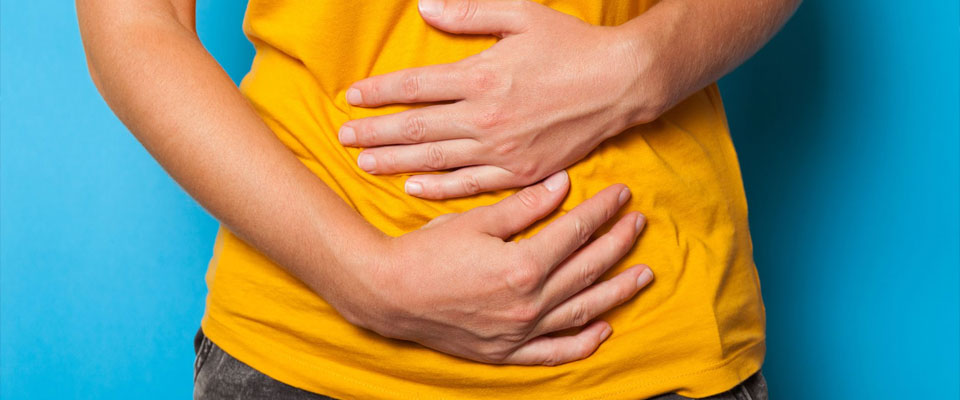
What is an Abdominal Emergency?
An abdominal emergency is any condition inside the abdomen that can become life-threatening within hours: a perforated ulcer or appendix, a blocked or strangulated bowel, a strangulated hernia, severe gallbladder or pancreatic infection, bleeding into the gut, or injury to the liver, spleen or bowel after a road accident or fall. Early diagnosis and a decision about surgery are what change the outcome.
The hospital's emergency service at Adajan is staffed 24x7, with CT and ultrasound available at all times and operating theatres ready. Many emergencies are managed with keyhole surgery - appendicectomy, repair of a perforated ulcer, release of obstructed bowel, cholecystectomy - while severe trauma or contamination may need open surgery. Where an injury can be watched safely, for example a contained liver or spleen injury, non-operative care in a monitored bed is used.
At Gujarat Gastro & Vascular Hospital, emergency care is available round the clock, with our gastrointestinal surgeons on call, an on-site laboratory, a 9-bed intensive care unit with ventilator support and the medical gastroenterology team on the same campus. Not every emergency needs an operation; the surgeon decides with you, or with your family, once the diagnosis is clear.
When is Emergency Abdominal Surgery Needed?
Emergency surgery is needed for:
- Perforation of the stomach, duodenum, appendix or bowel See: appendicitis
- Intestinal obstruction that does not settle, or with signs of strangulation See: colon and rectal conditions
- A hernia that has become stuck, painful and cannot be pushed back See: hernia
- Severe appendicitis, cholecystitis or infected pancreatic collections See: appendicitis · gallbladder inflammation · acute pancreatitis
- Bleeding into the abdomen or bowel that cannot be controlled endoscopically See: black stool or blood in the stool
- Injury to the liver, spleen, bowel or other organs after trauma
- Abscesses inside the abdomen that cannot be drained through the skin
If you are not sure whether abdominal pain is an emergency, come to the emergency department and let the team decide. Severe or worsening pain, a rigid or swollen abdomen, repeated vomiting, vomiting blood or black stools, fainting or any significant injury should not wait for a routine appointment.
Your Emergency Pathway: Step by Step
An abdominal emergency does not follow a planned timetable. This is the pathway from the moment you arrive at the emergency department at Adajan to going home. The pace depends on how unwell you are, but the steps are the same.
- Arrival at the 24x7 emergency department
Come at once for severe abdominal pain, vomiting with a swollen abdomen, or after an injury. Call ahead if you can on our 24×7 emergency number, 90333 62020. Do not eat or drink, and bring any medicine list and a record of allergies and previous operations.
- Assessment and tests
Immediate assessment in the emergency department: examination, blood tests on the on-site laboratory, and ultrasound or CT scan, which are available at all times. The surgeon is called as soon as an abdominal emergency is suspected.
- Resuscitation and the decision
Resuscitation with intravenous fluids, antibiotics and pain relief while the diagnosis is made. The surgeon then decides whether to operate now, after stabilisation, or to observe with repeated checks; the reason is explained to you or your family.
- The operation
Surgery under general anaesthesia - by keyhole where safe, or through an open incision when there is heavy contamination, bleeding or injury. The cause is dealt with, and drains, a stoma or a planned second-look operation are used when the abdomen needs time to recover (described in the next section).
- ICU or ward, and going home
Monitoring in a high-dependency or intensive care bed after major surgery, then the ward. Intravenous fluids and antibiotics continue until the bowel starts working, then a gradual return to eating, with early mobilisation and chest physiotherapy. Before discharge you are taught drain, wound and, if needed, stoma care, and follow-up is booked to plan any second-stage operation.
What Happens in an Abdominal Emergency
Immediate assessment in the emergency department: examination, blood tests, and ultrasound or CT scan
Resuscitation with intravenous fluids, antibiotics and pain relief while the diagnosis is made
A decision by the surgeon on whether to operate now, after stabilisation, or to observe with repeated checks
Surgery under general anaesthesia - by keyhole where safe, or through an open incision when there is heavy contamination, bleeding or injury
The cause is dealt with: the appendix or gallbladder removed, the perforation closed, the blocked bowel released or a damaged segment removed, bleeding controlled
Drains, a stoma or a planned second look operation are used when the abdomen needs time to recover
What you will feel - and what you won't. Pain relief is given through a drip from the start, so you do not have to wait for a diagnosis before you are made more comfortable. If an operation is needed it is done under general anaesthesia and you feel nothing during it. Afterwards there is wound pain, more after an open incision than after keyhole surgery, and it is controlled with regular pain relief so that you can breathe deeply and walk early. Being unwell before the operation means recovery can feel slower than after planned surgery, and the team tells you what to expect.
What to Do in an Abdominal Emergency
- Come at once. There is usually no time to prepare: come to the emergency department at once for severe abdominal pain, vomiting with a swollen abdomen, or after an injury.
- Do not eat or drink. Do not eat or drink once you suspect an emergency, as an anaesthetic may be needed. Fluids and pain relief are given through a drip instead.
- Bring what you can. Bring any medicine list, especially blood thinners, and a record of allergies and previous operations. A photo ID helps with admission, but do not delay coming for it.
- Call ahead if you can. Call ahead if you can on our 24×7 emergency number, 90333 62020. The emergency department at Adajan is open 24x7.
These are general points. The written instructions you receive from the hospital for your own procedure take priority - see also Patient Information.
After Emergency Surgery: Recovery & Follow-up
The first days. Monitoring in a high-dependency or intensive care bed after major surgery. Intravenous fluids and antibiotics until the bowel starts working, then a gradual return to eating.
Getting moving. Early mobilisation and chest physiotherapy to prevent complications. The nurses and physiotherapist help you sit out, walk and breathe deeply from the first days.
Drains, wounds and stoma. Drain and wound care, and stoma teaching if a stoma was needed. You go home knowing how to look after each of these, with written instructions.
Follow-up. Follow-up to plan any second-stage operation, for example reversing a stoma or repairing a hernia electively. Follow-up can be at Adajan or at the OPD nearest you.
Is Emergency Abdominal Surgery Safe?
Emergency surgery carries higher risks than planned surgery because patients are often dehydrated, infected or bleeding. The main complications are wound infection, chest infection, leak from a bowel join, abscess formation and, after major trauma, the need for further operations. The team reduces these risks by resuscitating before surgery, choosing the safest operation and using intensive care support.
Contact the hospital immediately - or come straight to the 24×7 emergency department - if severe abdominal pain, vomiting, fever or bleeding returns after discharge.
After a procedure, contact the hospital at once for severe pain, fever, vomiting, bleeding or breathlessness: Emergency 24×7: 90333 62020
Alternatives to Emergency Surgery
Not every abdominal emergency needs an operation. Uncomplicated appendicitis in selected patients, some obstructions caused by adhesions, contained liver and spleen injuries, and many abscesses can be treated with antibiotics, bowel rest, drainage through the skin and close observation. When observation is chosen, the patient is reviewed repeatedly so that surgery can be done promptly if things change.
Why Choose Gujarat Hospital for Abdominal Emergency & Trauma
In an abdominal emergency what matters is how quickly the diagnosis is made and how safely the operation is done. At Gujarat Gastro & Vascular Hospital, Adajan, Surat:
- Gastrointestinal surgeons on call 24x7. Our surgical gastroenterology team - including surgeons with special interest in pancreas, liver and GI surgery, foregut surgery, colorectal surgery and bariatric surgery - is on call for emergencies at all hours and operates when surgery is the safest course.
- CT, ultrasound and laboratory at all times. Scans and blood tests are available at all hours, with an on-site laboratory, so the diagnosis is not delayed. A blood bank is available by referral.
- Keyhole surgery in emergencies where it is safe. Appendicitis, perforated ulcers, cholecystitis and some obstructions are treated laparoscopically; open surgery is used when there is heavy contamination, major bleeding or injury.
Frequently Asked Questions about Abdominal Emergencies
How do I know if abdominal pain is an emergency?
Severe or worsening pain, pain with a rigid or swollen abdomen, repeated vomiting, inability to pass wind or stool, vomiting blood or black stools, fainting, or any significant injury - these need emergency assessment, not a routine appointment.
What should I do if someone has severe abdominal pain at night?
Bring them to the emergency department at Adajan at once; it is staffed 24x7 and CT, ultrasound and the operation theatres are available at all times. Call ahead if you can on our 24×7 emergency number, 90333 62020. Do not give them anything to eat or drink, and bring their medicine list if it is to hand.
Is keyhole surgery possible in an emergency?
Often, yes - appendicitis, perforated ulcers, cholecystitis and some obstructions are routinely treated laparoscopically. Heavy contamination, major bleeding or unstable patients need open surgery.
Will I be operated on straight away?
Not always. After examination, blood tests and a scan, the surgeon decides whether to operate now, after a period of resuscitation with fluids and antibiotics, or to observe you with repeated checks. Operating on a dehydrated or infected patient without stabilising them first adds risk, so a short delay is sometimes the safer choice. The reason is explained to you or your family.
What happens after a road accident injury to the abdomen?
You are assessed and scanned immediately. Many liver and spleen injuries are managed without an operation in a monitored bed; surgery is done at once if there is ongoing bleeding or a bowel injury.
If a stoma is made in an emergency, is it permanent?
Usually not. In an emergency the bowel is often too inflamed or contaminated to be safely joined, so a stoma is made to let the abdomen recover. Once you have healed, typically after some months, a planned operation to reverse it is discussed. Whether reversal is possible depends on the original problem and your fitness, and your surgeon will explain this at follow-up.
Where will I be looked after after emergency surgery?
After a major operation you are monitored in a high-dependency or intensive care bed; the hospital has a 9-bed ICU with ventilator support. Once you are stable you move to the ward, where fluids and antibiotics continue until the bowel starts working and you begin eating again. The length of stay depends on the operation and how unwell you were beforehand.
Why am I told not to eat or drink when I come with severe abdominal pain?
Because you may need an operation under general anaesthesia, and a full stomach raises the risk of vomiting and inhaling the contents while you are asleep. Not eating also helps if the bowel is blocked or perforated. Fluids and pain relief are given through a drip instead, so you will not go without.
The information on this page is for general patient education and does not replace individual medical advice, diagnosis or treatment. Medical Disclaimer