
Gallbladder Inflammation in Surat What to Expect
Acute cholecystitis is inflammation of the gallbladder, almost always because a stone has blocked its outlet. It causes constant pain and fever and usually needs hospital treatment and removal of the gallbladder.
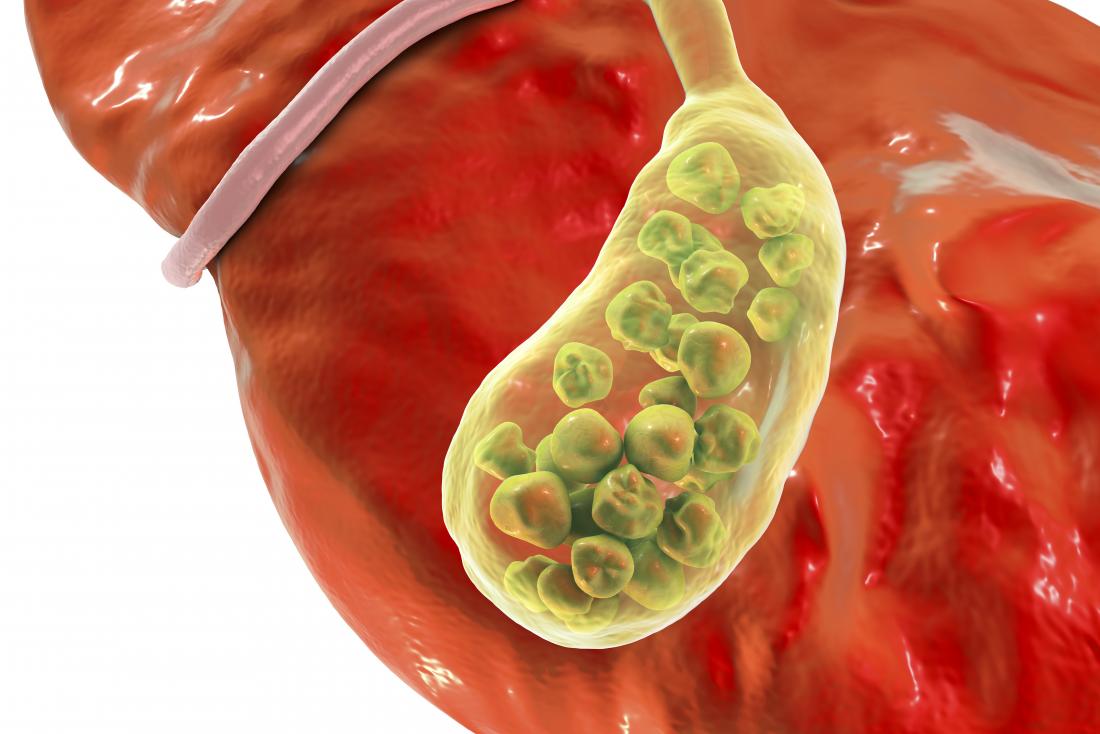
What Is Cholecystitis (Gallbladder Inflammation)?
When a stone blocks the neck of the gallbladder and does not move, bile trapped inside irritates and inflames the wall, and infection often follows. The pain of cholecystitis is more persistent than the colic of a passing stone, and the gallbladder becomes tender. Left untreated, the gallbladder can become severely infected, gangrenous or perforate.
Treatment begins with antibiotics, fluids and pain relief. Removing the gallbladder early during the same admission is now the usual approach for patients who are fit, because it avoids repeated attacks and is technically easier than surgery on a chronically scarred gallbladder.
Cholecystitis usually starts like a gallstone attack, but the pain does not go away and fever often follows. It is one of the common reasons people are admitted to hospital with abdominal pain, and with prompt treatment most people recover well.
Coming to hospital early makes a difference. The infection is easier to control, and keyhole surgery is usually more straightforward when it is done before the gallbladder becomes badly scarred. If you have had gallstone pain before and this attack feels different or longer, do not wait for it to settle on its own.
Symptoms of an Inflamed Gallbladder
An inflamed gallbladder usually makes you feel generally unwell, not just sore. You may notice:
- Constant pain under the right ribs lasting more than a few hours, worse on deep breathing
- Fever and shivering
- Nausea and vomiting
- Tenderness when the right upper abdomen is pressed
- Sometimes mild jaundice
- Loss of appetite and not wanting to move
- Pain that catches when you take a deep breath or cough
Symptoms vary from person to person. Having one or more of these does not confirm the condition - it means it is worth being checked.
When Is Gallbladder Pain an Emergency?
Do not wait for an online appointment if you have any of the following. Call the hospital or go to the nearest emergency department.
- High fever with rigors, or confusion
- Yellow eyes with pain and fever (possible infected bile duct)
- Pain spreading across the whole abdomen or a rigid abdomen
- Rapid pulse, low blood pressure or faintness
How We Diagnose Cholecystitis
When you arrive, the doctor asks about the pain and fever, checks your pulse, blood pressure and temperature, and examines your abdomen. Blood tests and an ultrasound usually confirm the diagnosis. Further scans are needed only if a complication or a bile duct stone is suspected.
What Causes Gallbladder Inflammation?
- Gallstones blocking the gallbladder outlet - by far the commonest cause
- Rarely, inflammation without stones in very ill or elderly patients
- Tumours of the gallbladder in a small number of cases
Almost every case begins with a gallstone stuck in the outlet of the gallbladder. Many people have had milder gallstone attacks before, sometimes without realising what they were. Inflammation without stones is uncommon and is seen mainly in people who are already very ill for another reason.
Investigations
- Ultrasound
- Shows stones, a thickened gallbladder wall and fluid around it - usually enough to make the diagnosis.What to expect: A painless scan with gel and a probe on your abdomen. Pressing over the gallbladder may feel tender, and the person doing the scan may ask where it hurts most.
- Blood tests
- White cell count and inflammation markers, liver tests to check the bile duct.What to expect: A routine blood sample, often repeated during your stay to check that the infection is settling.
- CT or MRCP
- When complications or a duct stone are suspected.What to expect: You lie still in a scanner for a short time. For a CT scan you may be given a dye through a drip or a drink; MRCP is noisy but painless.
Treatment Options for Gallbladder Inflammation
The usual path
- Settle the infection.
You are admitted for antibiotics, fluids through a drip and pain relief, and you rest the stomach for a while.
- Check for complications.
Blood tests and scans show whether the infection is settling and whether a stone has moved into the bile duct.
- Remove the gallbladder.
If you are fit for surgery, the gallbladder is usually removed during the same admission, by keyhole surgery where possible.
- Drain first if needed.
If you are too unwell for an operation, the gallbladder can be drained with a tube, and surgery is planned once you have recovered.
Medicines & lifestyle
- Initial hospital treatment
- Intravenous antibiotics, fluids and pain relief.
Surgery
- Early laparoscopic cholecystectomy
- Removal of the gallbladder during the same admission, in patients fit for surgery; also available robotically.
- Delayed surgery
- If surgery is not done at once, it is planned after the inflammation settles.
Other care
- Drainage
- In patients too unwell for an operation, a tube can be placed into the gallbladder to drain it, with surgery later once recovered.
The right treatment depends on the cause, how severe it is and your overall health. Your doctor will discuss the options with you before anything is decided.
Frequently Asked Questions about Cholecystitis
Can cholecystitis be treated with antibiotics alone?
Antibiotics settle the infection, but the stones remain and attacks tend to recur. Removing the gallbladder is the definitive treatment.
Is keyhole surgery still possible when the gallbladder is inflamed?
Usually yes, especially when done early. In severe or long-standing inflammation the surgeon may need to convert to open surgery for safety.
How long will I be in hospital?
Typically a few days, depending on how unwell you are and whether surgery is done during the same stay.
What can I eat after my gallbladder has been removed?
Most people return to a normal diet within a week or two. Bile still flows into the intestine, only without being stored, so digestion is not usually affected. Some people find very fatty or fried food causes loose stools or bloating in the first few weeks; starting with light meals and adding fat gradually usually settles this.
Is it more dangerous to have cholecystitis when I am elderly or diabetic?
Yes, these patients need closer attention. Symptoms can be milder or vaguer, so the diagnosis is sometimes delayed, while infection can spread faster and the gallbladder is more likely to become gangrenous. Early hospital assessment, antibiotics and either surgery or a drainage tube are planned according to the person's fitness, and blood sugar is kept under close control during the illness.
Should I go to the emergency department or wait for an appointment?
Pain under the right ribs that lasts more than a few hours, especially with fever or vomiting, needs same-day assessment in the emergency department. Our emergency department is open 24×7.
Is the removed gallbladder checked?
Yes. It is usually sent to the laboratory to be examined under the microscope. The report is discussed with you at your follow-up visit.
Can I eat or drink before coming to hospital with the pain?
Avoid eating until you have been seen, in case an operation or procedure is needed soon. Tell the team when you last ate and drank, and bring your regular medicines with you.
Why Choose Gujarat Hospital for Gallbladder Inflammation
How we look after gallbladder inflammation at our main hospital in Adajan, Surat:
- 24×7 emergency care, with separate medical and surgical emergency numbers shown on this page.
- Surgeons who see you on admission. The GI surgical team assesses you early and plans whether the gallbladder can be removed during the same stay.
- Keyhole surgery, robotic where suitable, in our operation theatres, with open surgery where it is safer for a badly inflamed gallbladder.
- Bile duct stones dealt with in the same hospital. If tests suggest a stone in the bile duct, ERCP is done in the endoscopy suite on the same campus.
The information on this page is for general patient education and does not replace individual medical advice, diagnosis or treatment. Medical Disclaimer