
Liver Tumours and Liver Cancer in Surat What to Expect
Most liver lumps found on a scan are benign (haemangioma, cysts, adenomas). Liver cancer may start in the liver itself - usually in a cirrhotic liver - or spread there from the bowel or elsewhere. Careful imaging decides which, and many tumours are treatable.
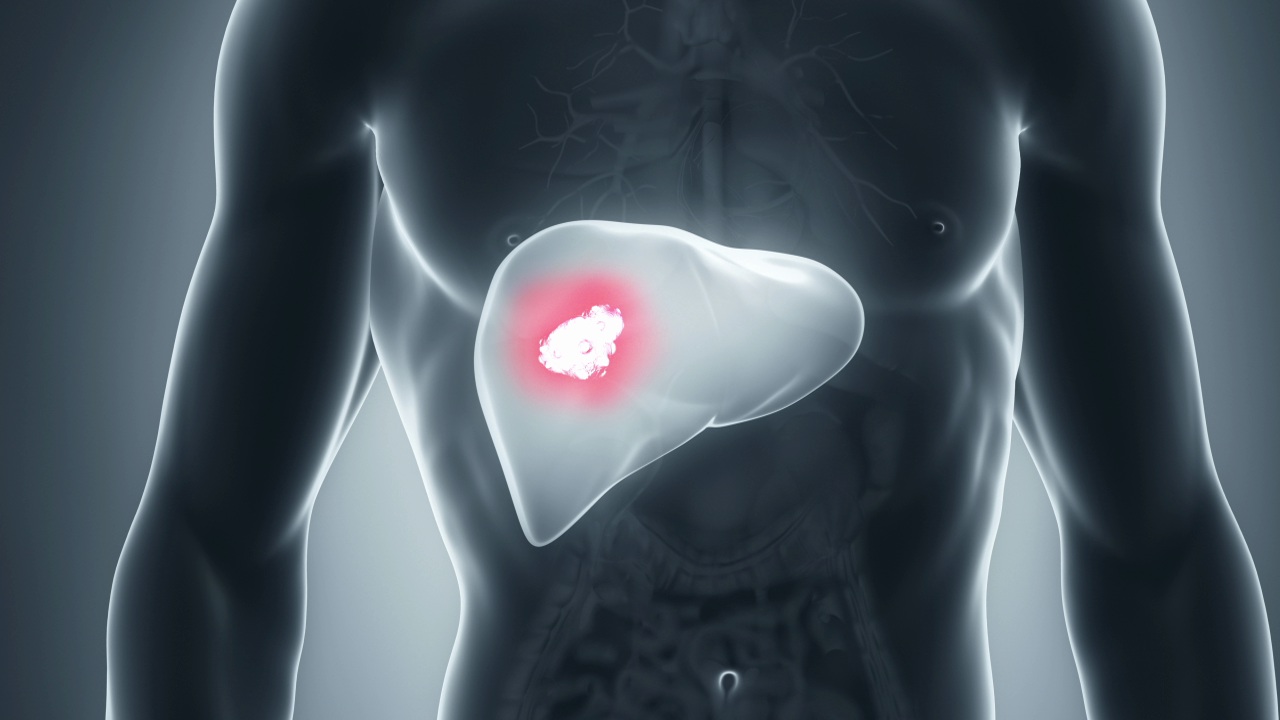
What Is a Liver Tumour?
A lump in the liver is a common incidental finding, and the majority are harmless and need no treatment beyond occasional monitoring. The concern is hepatocellular carcinoma (HCC), which develops mainly in people with cirrhosis or chronic hepatitis B, and cancers that have spread to the liver, most often from the colon.
Modern imaging can characterise most liver lesions without a biopsy. Treatment of liver cancer depends on its size, number, position, the health of the rest of the liver, and the patient's fitness - and often involves more than one specialty. Our surgical gastroenterologists perform liver surgery, including with CUSA for precise dissection, and work with medical gastroenterology and oncology to plan care.
Being told a scan has shown a lump in the liver is worrying, but most liver lumps are benign and need no treatment. The first task is to find out what the lump is, usually from the way it looks on a contrast scan.
When a lump is a cancer, the plan depends on the tumour and on the health of the rest of the liver. Treatment is planned by surgical and medical gastroenterologists together, and the options and what each involves are explained to you before any decision.
Symptoms of Liver Tumours and Liver Cancer
Many liver tumours cause no symptoms and are found on a scan. When symptoms do appear, you may notice:
- Often none - found on a scan done for another reason or on screening
- Pain or fullness under the right ribs
- Loss of appetite and weight
- Jaundice, or worsening of existing liver disease
- Tiredness, fever
- Swelling of the abdomen
- Feeling full quickly after small meals
- A person with cirrhosis becoming unwell without a clear reason
Symptoms vary from person to person. Having one or more of these does not confirm the condition - it means it is worth being checked.
When Should You See a Doctor Urgently for a Liver Lump?
Do not wait for an online appointment if you have any of the following. Call the hospital or go to the nearest emergency department.
- Sudden severe abdominal pain in someone with a known liver lump
- Jaundice with confusion or bleeding
- Rapid weight loss with a liver mass
How We Diagnose a Liver Lump
At your first visit the doctor reviews your scan reports, asks about liver disease, hepatitis and any past cancer, and examines you. A contrast CT or MRI usually identifies the lump. A biopsy is added when the scans cannot answer the question.
What Causes Liver Tumours?
- Cirrhosis of any cause and chronic hepatitis B - for primary liver cancer
- Cancer of the colon, rectum, stomach, pancreas, breast or lung spreading to the liver
- Benign tumours are often related to hormones or are simply developmental
Benign lumps such as haemangiomas and simple cysts are common and are usually found by chance. Primary liver cancer develops mostly in people with cirrhosis or long-standing hepatitis B, which is why they are screened regularly. In people who have had bowel or other cancers, a new liver lump may be cancer that has spread.
Investigations
- Multiphase CT or MRI
- The main test. Contrast scans show how a lesion takes up blood, which identifies most tumours reliably.What to expect: You lie still on a table that moves through the scanner while contrast dye is given through a vein. It is painless; tell the team about any kidney problems, allergies or metal implants.
- Blood tests
- Liver function, tumour markers such as AFP, and hepatitis markers.What to expect: A routine blood sample. Your doctor explains the results, including tumour markers, with you.
- Endoscopic ultrasound and biopsy
- When the diagnosis is uncertain or a tissue diagnosis will change treatment.What to expect: Done under sedation, like an upper GI endoscopy, with an ultrasound probe on the tip of the scope. A fine needle takes a sample, and results follow later.
- Staging
- Scans of the chest and abdomen and an assessment of liver function decide which treatments are possible.What to expect: Usually scans of the chest and abdomen and blood tests of liver function. The results are discussed with you together, so you understand which treatments are possible.
Treatment Options for Liver Tumours and Liver Cancer
The usual path
- Find out what the lump is.
Contrast scans and blood tests identify most liver lumps, and many need nothing more than reassurance or occasional re-scans.
- Check the rest of the liver.
Liver function and any cirrhosis or hepatitis are assessed, because they affect which treatments are safe.
- Plan treatment together.
Surgical and medical gastroenterologists discuss the options, which may include surgery, ablation or other treatments, and explain them to you.
- Surgery when it is the right choice.
Removing the part of the liver containing the tumour is done by our surgical gastroenterology team, by keyhole, robotic or open surgery as suits you.
Surgery
- Surgical removal (liver resection)
- For suitable tumours, part of the liver containing the tumour is removed; the liver regenerates. This is performed by our surgical gastroenterology team.
Other care
- Observation
- Benign lesions usually need no treatment; some are re-scanned after an interval.
- Ablation
- Small primary tumours may be destroyed with heat through a needle, guided by imaging.
- Trans-arterial treatments
- Chemotherapy or radioactive beads delivered into the tumour's blood supply for tumours that cannot be removed.
- Systemic therapy
- Targeted drugs and immunotherapy for advanced disease, planned with oncology.
- Transplant
- For selected patients with primary liver cancer and cirrhosis, referral to a transplant centre.
The right treatment depends on the cause, how severe it is and your overall health. Your doctor will discuss the options with you before anything is decided.
Frequently Asked Questions about Liver Tumours
I have a haemangioma - is it dangerous?
Haemangiomas are benign clusters of blood vessels and almost never cause problems. They rarely need treatment or even follow-up.
Can liver cancer be cured?
Small tumours in a liver that still works well can be removed or ablated with good outcomes. Screening people with cirrhosis or hepatitis B every six months finds tumours at this stage.
Will the liver grow back after surgery?
Yes. The healthy liver regenerates over weeks, which is what makes resection possible.
Do I need a biopsy to confirm a liver tumour?
Usually not. Multiphase CT or MRI identifies most liver lesions by the way they take up contrast, and in a patient with cirrhosis a typical scan appearance is enough to diagnose hepatocellular carcinoma. Biopsy is reserved for cases where the picture is uncertain or where the result would change the treatment plan, because it carries a small risk of bleeding.
I have hepatitis B - how often should my liver be checked?
People with chronic hepatitis B or cirrhosis are advised to have an ultrasound of the liver and an AFP blood test roughly every six months, even if they feel well. This surveillance finds tumours while they are small enough to remove or ablate. Your gastroenterologist will confirm the schedule and whether antiviral treatment is also needed.
Which doctor should I see about a lump in my liver?
A gastroenterologist or a surgical gastroenterologist. Bring all your scan reports and films. You can book at our Adajan hospital or at the OPD nearest you; biopsies and operations are done at Adajan.
What is the difference between primary and secondary liver cancer?
Primary liver cancer starts in the liver itself, usually in a liver already scarred by cirrhosis or hepatitis B. Secondary cancer has spread to the liver from another organ, most often the bowel. The two are treated differently, which is why finding the origin matters.
Can liver surgery be done by keyhole?
Some liver operations can be done by keyhole (laparoscopic) or robotic surgery, depending on the size and position of the tumour. Others are safer as open surgery. Your surgeon will explain which approach suits you.
Why Choose Gujarat Hospital for Liver Tumours
How we look after liver tumours and liver cancer at our main hospital in Adajan, Surat:
- Liver surgery by the surgical gastroenterology team, including surgeons with special interest in cancer surgery and in liver and pancreas surgery.
- Keyhole and robotic surgery where suitable. Laparoscopic and robotic surgery are used when they suit the tumour, and open surgery when it is safer.
- A tissue diagnosis when it is needed. EUS-guided biopsy is done in the endoscopy suite when scans alone cannot answer the question.
- The rest of the liver looked after too. Our medical gastroenterologists manage the underlying cirrhosis or hepatitis that affects which treatments are possible.
The information on this page is for general patient education and does not replace individual medical advice, diagnosis or treatment. Medical Disclaimer