
Critical Limb Ischaemia in Surat What to Expect
Critical limb ischemia is the most severe stage of blocked leg arteries: blood flow is so poor that the foot hurts at rest, wounds will not heal and tissue begins to die. It threatens the limb and needs urgent restoration of blood flow.
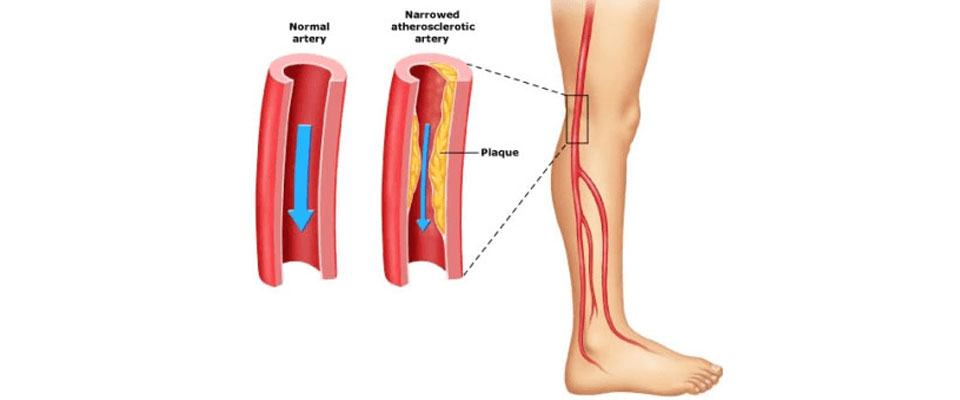
What Is Critical Limb Ischaemia?
Peripheral arterial disease progresses along a spectrum. Early on it causes pain only on walking (claudication). When the narrowing becomes severe enough that the foot does not receive enough blood even at rest, the condition is called critical (or chronic limb-threatening) ischemia. Typical features are pain in the foot at night, ulcers that will not heal and, eventually, gangrene.
Without treatment a large proportion of patients lose the leg within a year, and the risk of heart attack and stroke is high. The aim of treatment is to restore blood flow quickly - by angioplasty and stenting in the Cathlab, bypass surgery, or both combined in our Hybrid Operation Theatre - and to heal the wound with good foot care and infection control.
Critical limb ischaemia means the foot is not getting enough blood even when you are resting. It is the stage at which the limb is at risk, so it needs to be seen quickly. If you have foot pain that wakes you at night, or a wound that is not healing, do not wait for your next routine appointment.
The aim is to restore blood flow as soon as possible and then heal the wound. Your surgeon will explain the options for your arteries, what is likely to happen to the foot, and what you can do at home to protect it while treatment is arranged.
Warning Signs of a Threatened Limb
As the blood supply falls, the foot changes in ways you may notice yourself:
- Constant pain in the foot or toes, worse at night and eased by hanging the leg over the side of the bed
- Ulcers on the toes, heel or foot that do not heal for weeks
- Black or dark discolouration of a toe or part of the foot (gangrene)
- A cold, pale or bluish foot with weak or absent pulses
- Thin, shiny skin, hair loss and slow-growing nails on the leg
- Sleeping in a chair, or with the leg hanging off the bed, to ease the pain
- Swelling of the foot from keeping it down for long periods
- A small cut or blister that turns into a wound instead of healing
Symptoms vary from person to person. Having one or more of these does not confirm the condition - it means it is worth being checked.
When Does a Painful Foot Need Same-Day Care?
Do not wait for an online appointment if you have any of the following. Call the hospital or go to the nearest emergency department.
- A foot wound with spreading redness, pus, fever or a foul smell
- New black discolouration of a toe or foot
- Sudden onset of a cold, numb, painful or weak leg
- Severe rest pain that is no longer controlled
How We Assess the Blood Supply to Your Foot
When you are seen, the vascular surgeon looks at the foot and any wounds, checks the pulses and asks about pain at night. Tests show how little blood is reaching the foot and where the blockages are, so that a plan to restore flow can be made quickly.
What Leads to Critical Limb Ischaemia?
- Atherosclerosis - cholesterol deposits narrowing the arteries
- Diabetes, which affects both large and small vessels
- Smoking
- High blood pressure, high cholesterol and kidney disease
- A previous blockage that has progressed without treatment
Critical limb ischaemia usually develops when atherosclerosis has narrowed or blocked several segments of the leg arteries. People with diabetes or kidney disease are more likely to have blockages low down in the leg, near the foot. Smoking speeds up the damage at every stage.
Investigations
- Examination and ankle pressures
- Pulse examination, ankle-brachial index and toe pressures show how severe the shortage of blood is.What to expect: You lie flat while small cuffs are placed on your arms, ankles and sometimes toes. It is painless, and the readings show how severe the shortage of blood is.
- Duplex ultrasound
- Locates the blocked and narrowed segments.What to expect: A painless scan with gel and a probe moved along your leg, done by the vascular team at the hospital. Tell the team if any area is too tender to press on.
- CT angiography or catheter angiography
- Maps every artery from the aorta to the foot to plan how flow will be restored.What to expect: For a CT angiogram you lie still while dye is given through a drip. Catheter angiography is done through a small puncture under local anaesthetic, and a blockage can sometimes be opened in the same sitting.
- Wound and infection assessment
- Swabs, X-rays or MRI when bone infection is suspected, and diabetes and kidney checks.What to expect: The wound is cleaned and examined, and a swab or tissue sample may be taken. An X-ray or other scan may be advised if infection may have reached the bone.
How We Try to Save the Limb
The usual path
- Control pain and infection.
Pain relief, antibiotics if the wound is infected, and protecting the foot from pressure start straight away.
- Map the arteries.
Scans show where the blockages are, so the surgeon can choose how to restore flow.
- Restore blood flow.
Angioplasty, bypass or both are done as soon as possible, often combined in the Hybrid Operation Theatre & Cathlab.
- Heal and protect the foot.
Dead tissue is removed, dressings continue, and regular checks and medicines help keep the arteries open.
- Urgent restoration of blood flow
- Angioplasty with balloons and stents through a small puncture, bypass surgery with a vein graft or synthetic graft, or a hybrid of both - chosen according to the pattern of blockage.
- Wound care and infection control
- Antibiotics, removal of dead tissue and offloading so the wound can heal once blood flow returns.
- Medicines and risk-factor control
- Antiplatelet and cholesterol-lowering drugs, strict control of diabetes and blood pressure, and stopping smoking.
- Limited amputation when unavoidable
- Removal of a dead toe or part of the foot after flow has been restored, keeping as much of the limb as possible.
- Long-term follow-up
- Regular checks of the treated arteries and the feet to catch re-narrowing early.
The right treatment depends on the cause, how severe it is and your overall health. Your doctor will discuss the options with you before anything is decided.
Frequently Asked Questions about Critical Limb Ischaemia
Can the leg always be saved?
Not always, but restoring blood flow early gives the best chance. Most patients who are treated before extensive gangrene keep a walking limb.
Is angioplasty or bypass better?
It depends on where and how long the blockages are, and on your general health. Angioplasty is less invasive; bypass lasts longer for some patterns of disease. Your surgeon will explain which suits you.
Why does my foot hurt more at night?
Lying flat removes the help of gravity, so even less blood reaches the foot. Hanging the leg down eases the pain - a classic sign of critical ischemia.
How long will my foot wound take to heal after blood flow is restored?
Healing usually takes weeks and sometimes months, depending on the size and depth of the wound, whether infection or dead tissue was present, and how well diabetes is controlled. Restoring blood flow makes healing possible but does not close the wound on its own - regular dressings, offloading the area and good nutrition are needed alongside it.
Can the arteries block again after treatment?
Yes. Treated segments can narrow again and disease can progress elsewhere, which is why regular checks of the arteries and feet are part of long-term care. Taking antiplatelet and cholesterol-lowering medicines, controlling diabetes and blood pressure, and stopping smoking completely give the treated artery the best chance of staying open.
Should I wait for an appointment or come to hospital now?
Pain in the foot at rest, a wound that is getting worse or a toe turning dark needs to be seen within days, not weeks. Spreading redness, fever or a sudden cold, numb leg needs the emergency department straight away. Our emergency department is open 24×7.
Can I use a hot water bag to warm my cold foot?
No. A foot with poor circulation may not feel heat properly and can burn easily, and the burn may not heal. Keep the foot warm with loose socks and a blanket instead, and avoid soaking it in hot water.
I have kidney disease. Can I still have angiography?
Usually yes, with care. The dye used for angiography can strain the kidneys, so kidney function is checked beforehand and steps are taken to protect them. Tell the team about kidney disease and any diabetes medicines you take.
Why Choose Gujarat Hospital for Critical Limb Ischaemia
How we look after critical limb ischaemia at our main hospital in Adajan, Surat:
- Urgent assessment by a vascular surgeon. Dr. Ankur Patel assesses rest pain, wounds and gangrene promptly, because delay can cost tissue.
- Angioplasty and bypass in the same room. The Hybrid Operation Theatre & Cathlab lets the team image the arteries and operate in the same sitting, so long or multiple blockages can be treated together.
- Wound and foot surgery by the same team. Diabetic foot surgery and removal of dead tissue are done by the vascular team, so restoring flow and treating the wound are planned together.
- Saving as much of the limb as possible. Where tissue cannot be saved, removal is kept as limited as possible, after blood flow has been restored.
The information on this page is for general patient education and does not replace individual medical advice, diagnosis or treatment. Medical Disclaimer