
Pancreatic Stones in Surat What to Expect
Pancreatic duct stones form in chronic pancreatitis and block the flow of pancreatic juice, causing pain and repeated attacks. They can be cleared endoscopically after fragmentation, or by surgery that opens and drains the duct.
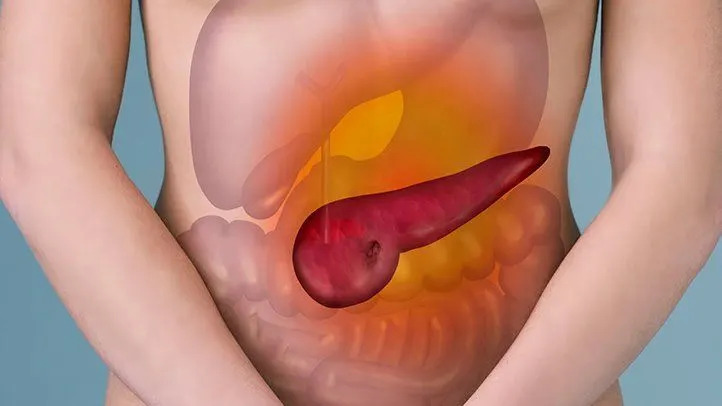
What Are Pancreatic Stones?
Stones in the pancreas are made of calcium and protein deposited in a duct that is inflamed and narrowed. They are common in tropical pancreatitis, which particularly affects younger patients in South Asia. As the duct becomes obstructed, pressure builds behind the stones and causes pain; the gland behind the blockage also deteriorates faster.
Small stones and strictures can be treated through the endoscope. Larger, harder stones are often broken up by external shock waves (ESWL) and then cleared by ERCP, or removed surgically along with an operation that drains the duct along its length. The choice depends on the number, size and position of the stones and on the shape of the duct, and is discussed between our medical and surgical gastroenterologists.
Being told you have stones in the pancreas can be confusing, as many people have heard of gallstones or kidney stones. Pancreatic stones are a feature of chronic pancreatitis, and they matter because they block the duct and keep the pain going.
The aim of treatment is to clear the blockage so that pancreatic juice can flow again, which often eases the pain considerably. Treatment is planned around your scans, and the reasons for choosing endoscopy or surgery are explained to you before anything is decided.
Symptoms of Pancreatic Duct Stones
Pancreatic stones cause symptoms by blocking the duct. You may notice:
- Recurring upper abdominal pain radiating to the back
- Pain after meals
- Attacks of acute pancreatitis
- Oily stools and weight loss
- Diabetes
- Pain that is set off or made worse by eating
- Loss of appetite, or eating less to avoid pain
Symptoms vary from person to person. Having one or more of these does not confirm the condition - it means it is worth being checked.
When Do Pancreatic Stones Need Urgent Attention?
Do not wait for an online appointment if you have any of the following. Call the hospital or go to the nearest emergency department.
- Severe pain with vomiting and fever
- Jaundice
- Rapid weight loss or a new lump
How We Find Pancreatic Stones
At your first visit the doctor asks about your pain, weight, digestion and blood sugar, and reviews any scans you already have. A CT scan usually shows the stones clearly; other tests map the duct and check how well the gland still works, which helps decide between endoscopy and surgery.
How Do Stones Form in the Pancreas?
- Chronic pancreatitis of any cause
- Tropical pancreatitis
- Genetic predisposition
- Long-standing duct obstruction
Stones form when the duct has been narrowed by long-standing inflammation and the pancreatic juice becomes thick, so calcium settles out. In India they are often seen in tropical pancreatitis, sometimes in young adults who have never drunk alcohol. Alcohol and smoking speed up the process.
Investigations
- CT scan
- Shows stones, calcification and the shape of the duct clearly.What to expect: You lie on a table that moves through a ring-shaped scanner. A contrast dye may be given into a vein; the scan is painless and quick.
- MRCP
- Shows duct strictures and dilatation.What to expect: A painless scan with no radiation. You lie still in a tunnel-shaped machine that makes loud knocking sounds; earplugs or headphones are usually offered.
- Endoscopic ultrasound
- Assesses the gland and any associated mass.What to expect: Done like an endoscopy, under sedation, so most people feel little or nothing, and you usually go home the same day.
- Pancreatic function tests
- Blood sugar and stool elastase to assess how the gland is working.What to expect: A blood sugar test and a small stool sample collected at home. Neither usually needs special preparation.
Ways to Remove Pancreatic Stones
The usual path
- Medical care first.
Pain relief, enzyme capsules, diabetes control and stopping alcohol and smoking are started straight away and continue alongside any procedure.
- Mapping the stones.
Scans and EUS show how many stones there are, where they sit and whether the duct is narrowed.
- Endoscopic clearance.
Smaller stones near the head of the pancreas can be removed by ERCP, and a stent may be placed. Larger, hard stones may need to be broken up with shock waves (ESWL) beforehand.
- Surgery for widespread stones.
When stones fill much of the duct, or endoscopy has not worked, an operation opens and drains the duct. Your surgeon explains what it involves and what recovery is like.
Medicines & lifestyle
- Medical care
- Pain management, enzyme replacement, nutrition and diabetes control alongside any procedure.
- Lifestyle
- Stopping alcohol and smoking to slow further stone formation.
Endoscopic treatment
- Endoscopic clearance
- ERCP with sphincterotomy, stone extraction and stenting, often after ESWL to fragment larger stones.
Surgery
- Surgery
- Drainage procedures (opening the duct along its length and joining it to the intestine) or resection of the head of the pancreas for stones with an inflammatory mass; these give durable pain relief in suitable patients.
The right treatment depends on the cause, how severe it is and your overall health. Your doctor will discuss the options with you before anything is decided.
Frequently Asked Questions about Pancreatic Stones
Can pancreatic stones be dissolved with medicines?
No. Unlike some kidney stones, pancreatic stones do not dissolve with tablets. They are removed endoscopically or surgically when they cause symptoms.
Which is better - endoscopy or surgery?
It depends on the stones and the duct. Endoscopy suits fewer, smaller stones in the head of the gland; surgery gives more lasting relief when the duct is widely diseased. Your team will explain the reasoning for your case.
Will the pain go away completely?
Most patients get substantial and lasting relief after successful duct clearance or drainage surgery, though some pain can persist if the gland is severely scarred.
Can pancreatic stones come back after treatment?
They can, because the underlying chronic pancreatitis continues to make the duct narrow and the juice thick. Stopping alcohol and smoking completely reduces the chance of new stones. Regular follow-up allows any new stones or strictures to be treated early, and a duct that has been surgically drained is less likely to become blocked again.
Will treating the stones improve my diabetes and digestion?
Not necessarily. Diabetes and oily stools are caused by damage to the gland itself rather than by the stones, and this damage does not reverse once it has happened. Clearing the duct mainly relieves pain and may slow further deterioration. Enzyme capsules with meals and careful diabetes control are usually needed alongside any procedure.
Are pancreatic stones the same as gallstones?
No. Gallstones form in the gallbladder and are mostly cholesterol. Pancreatic stones form inside the pancreatic duct, are made mainly of calcium, and come from chronic pancreatitis. They are treated differently.
Will I need more than one ERCP?
Often, yes. Large or numerous stones may need to be cleared in stages, and a stent placed in the duct usually needs to be changed or removed later. Your doctor will explain the plan after your procedure.
Do stones that cause no pain need treatment?
Not always. Stones seen on a scan in someone without pain may simply be watched, while the underlying chronic pancreatitis is treated. Removal is usually advised when stones cause pain or repeated attacks.
Why Choose Gujarat Hospital for Pancreatic Stones
How we look after pancreatic stones at our main hospital in Adajan, Surat:
- A joint decision on the right approach. Medical and surgical gastroenterologists review your scans together before choosing between ERCP and surgery.
- ERCP in the endoscopy suite, to remove duct stones and place stents, under sedation with monitoring.
- EUS to check the gland. Endoscopic ultrasound looks closely at the pancreas and any swelling or mass alongside the stones.
- Duct drainage surgery by our pancreatic surgery team when stones are many, large or spread along the duct.
The information on this page is for general patient education and does not replace individual medical advice, diagnosis or treatment. Medical Disclaimer