
Varicose Vein Treatment in Surat What to Expect
Our vascular surgeon in Surat treats varicose veins by closing the faulty vein from inside - with laser, radiofrequency, glue or foam - under local anaesthetic as a day case, with immediate walking and a return to normal activity the same or next day.
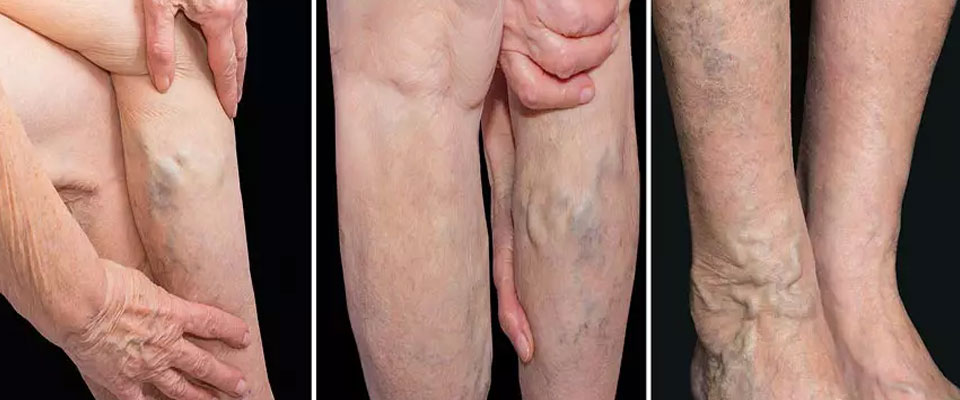
What is Varicose Vein Treatment?
Duplex ultrasound first maps which veins have failing valves. The main faulty vein is then sealed along its length by a catheter passed inside it, so that blood re-routes through healthy veins. Surface bulges are removed through tiny punctures or treated with foam. Surgical stripping under general anaesthesia is now rarely needed.
Our vascular and endovascular surgeon at Adajan performs assessment and treatment, including care of venous ulcers and skin changes, which heal once the underlying vein is treated.
At Gujarat Gastro & Vascular Hospital the vein is closed with laser, radiofrequency, glue (VenaSeal) or foam, chosen after the scan. It is done under local anaesthetic as a day case, and you walk out with a compression stocking.
When Should Varicose Veins Be Treated?
Your surgeon may recommend treatment for:
- Varicose veins causing aching, heaviness, swelling or night cramps See: varicose veins
- Skin changes - eczema, discolouration, hardening - around the ankle See: varicose veins
- Venous ulcers, healed or open See: leg ulcers
- Bleeding from a varicose vein, or superficial thrombophlebitis
- Cosmetic concern, after discussion of what treatment can and cannot achieve
Not every visible vein needs treatment. The duplex scan shows which veins are failing, and the surgeon explains what treatment can and cannot achieve before you decide.
Your Varicose Vein Treatment Visit: Step by Step
Varicose vein treatment is a day case under local anaesthetic. This is the usual path from the first consultation to the follow-up scan.
- Consultation and duplex scan
The surgeon examines your legs and a duplex ultrasound maps which veins have failing valves. If you have an ulcer, the arterial supply is checked as well.
- Choosing the method
Laser, radiofrequency, glue or foam - or a combination - is recommended according to the size and course of the vein and the condition of the skin. You are told what to do about your medicines, especially blood thinners.
- On the day
You come to the main hospital at Adajan in loose clothing, having eaten normally. The vein is mapped again with duplex ultrasound and marked before treatment.
- The treatment
Local anaesthetic is injected along the vein, a catheter is passed into it under ultrasound guidance and the vein is sealed; bulging veins are removed through tiny punctures or treated with foam (described in the next section).
- Walking out and follow-up
A compression stocking or bandage is applied and you walk out the same day. You go back to desk work the next day, and a follow-up scan confirms the vein has closed - at Adajan or at the OPD nearest you.
What Happens During Varicose Vein Treatment
Duplex ultrasound mapping on the day of treatment
Local anaesthetic is injected along the vein; sedation is rarely needed
A catheter is passed into the vein under ultrasound guidance
Endovenous laser or radiofrequency: heat delivered as the catheter is withdrawn seals the vein; glue: medical adhesive closes it without heat
Foam sclerotherapy: a foam injected into smaller veins causes them to close
Phlebectomy: bulging veins are removed through 2-3 mm punctures
A compression stocking or bandage is applied; you walk out
What you will feel - and what you won't. You are awake throughout, and sedation is rarely needed. The local anaesthetic injections along the vein sting briefly; after that most people feel pressure and movement rather than pain while the catheter works. Glue closes the vein without heat, so it needs fewer injections along the leg. Phlebectomy is done through punctures of 2-3 mm, so there are no stitches to remove. Afterwards the leg feels tight and bruised along the treated vein for a week or two, and walking helps.
How to Prepare for Varicose Vein Treatment
- Scans before treatment. Duplex ultrasound and a check of the arterial supply where ulcers are present.
- Your medicines. Continue normal medicines unless told otherwise; tell the team about blood thinners.
- On the day. Bring loose clothing; eat normally before local-anaesthetic procedures.
These are general points. The written instructions you receive from the hospital for your own procedure take priority - see also Patient Information.
After Varicose Vein Treatment: Walking, Stockings & Recovery
Keep walking. Walk immediately and daily; avoid standing still for long periods.
The compression stocking. Wear the compression stocking as advised, usually for one to two weeks.
What is normal. Bruising, tightness and mild aching along the treated vein for a week or two are normal.
Back to work and exercise. Return to desk work the next day; heavy exercise after about a week.
Follow-up. A follow-up scan confirms the vein has closed. Follow-up visits can be at Adajan or at the OPD nearest you.
Is Varicose Vein Treatment Safe?
These treatments are very safe. Bruising, tenderness and temporary skin numbness are the usual after-effects.
Deep vein thrombosis, skin burns, and pigmentation along the vein are uncommon; foam can rarely cause visual disturbance or headache.
New veins can develop over years and are treated if needed.
Contact the hospital if you develop increasing leg pain, swelling of the whole leg, fever, or redness spreading from a puncture site after the procedure.
After a procedure, contact the hospital at once for severe pain, fever, vomiting, bleeding or breathlessness: Emergency 24×7: 90333 62020
Alternatives to Varicose Vein Treatment
Compression stockings and lifestyle measures alone for mild symptoms.
Surgical stripping under general anaesthesia in selected cases.
No treatment for veins that are purely cosmetic and not troubling.
Why Choose Gujarat Hospital for Varicose Vein Treatment
Varicose vein treatment works when the scan, the choice of method and the follow-up are handled by the same surgeon. At Gujarat Gastro & Vascular Hospital, Adajan, Surat:
- Every main method under one surgeon. Dr. Ankur Patel, Vascular & Endovascular Surgeon (M.S., FVES, Fellowship in Vascular & Endovascular Surgery), performs varicose vein treatment with VenaSeal glue, radiofrequency, laser and foam sclerotherapy - so the method is chosen to suit your vein, not the other way round.
- Duplex ultrasound before and during treatment. Your veins are mapped before the decision and again on the day of treatment, and the catheter is guided under ultrasound.
- A day case under local anaesthetic. Sedation is rarely needed, there is no general anaesthetic for most patients, and you walk out in a compression stocking.
- Venous ulcers and skin changes treated, not just covered. Ulcers and skin changes around the ankle heal once the underlying vein is treated, and the arterial supply is checked first where an ulcer is present.
Frequently Asked Questions about Varicose Vein Treatment
Which method is best?
It depends on the size and course of the vein and on skin condition. Heat-based ablation is the usual first choice; glue avoids injections along the leg; foam suits smaller veins. Your surgeon recommends after the scan.
Will I be awake during the treatment?
Yes. The treatment is done under local anaesthetic injected along the vein, and sedation is rarely needed. You can talk to the team throughout, and you walk out once the compression stocking is on.
Will I need time off work?
Usually a day or two at most. Most people walk out of the procedure and resume normal activities quickly.
Why do I need a duplex scan before treatment?
Varicose veins seen on the surface are usually fed by a faulty vein deeper in the leg that cannot be seen. The duplex ultrasound maps which veins have failing valves, so the right vein is closed and the bulges are less likely to come back. It is repeated on the day of treatment to guide the catheter.
Does the treated vein cause problems later?
No. It shrinks and is absorbed over months; the leg's blood returns through the deep veins as it should.
Can varicose veins be treated during pregnancy?
Treatment is generally deferred until after delivery and breastfeeding, because veins often improve once pregnancy is over and because of the hormonal effects on the veins. Compression stockings, walking and leg elevation are used for relief in the meantime. A duplex scan can still be done during pregnancy if there is concern about a clot.
Will my leg ulcer heal after the vein is treated?
Venous ulcers and skin changes heal once the underlying vein is treated. Before treatment the arterial supply to the leg is checked, because poor circulation also slows healing. Wearing the compression stocking as advised and walking daily help the ulcer close.
When can I fly after varicose vein treatment?
Short flights are usually acceptable after a week or two, but long-haul travel is best delayed for a few weeks because sitting still increases the small risk of deep vein thrombosis. On any flight, wear the compression stocking, walk in the aisle regularly and stay hydrated. Ask your surgeon before booking travel.
The information on this page is for general patient education and does not replace individual medical advice, diagnosis or treatment. Medical Disclaimer