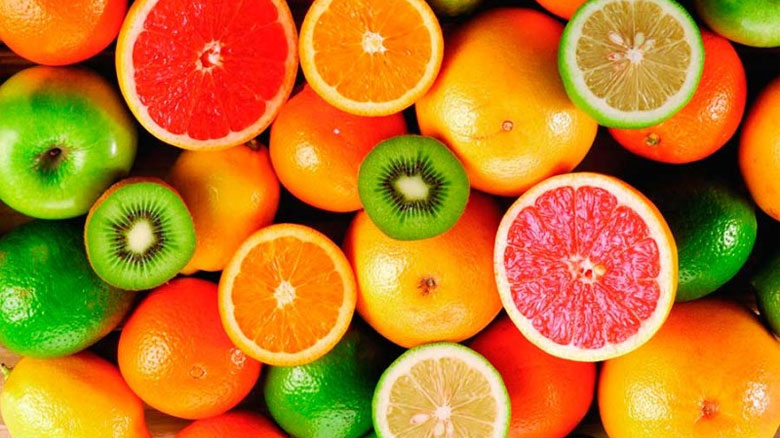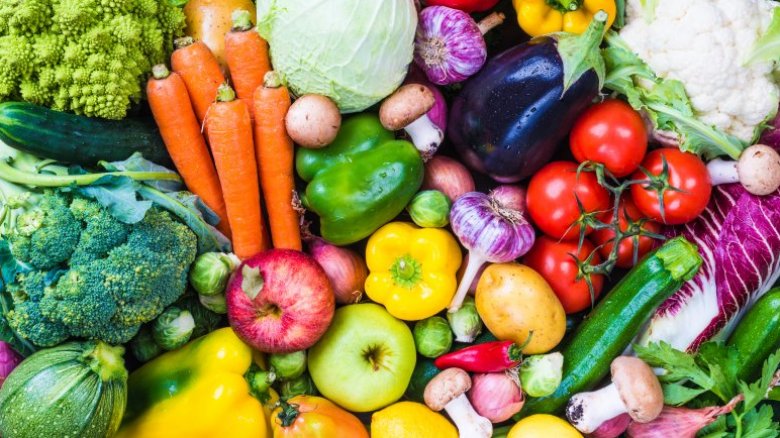
"Eat the rainbow" sounds like a slogan, but there is a practical idea underneath it. The pigments that give fruit and vegetables their colour - reds, oranges, greens, purples, whites - are a rough guide to the plant compounds inside. Different colours, different compounds. Eating across the range, together with enough fibre, is one of the simplest things you can do for the health of your colon.
This guide explains what each colour group brings, how to do it with everyday Indian food, and, just as importantly, what diet cannot fix on its own.
Why the colon cares about what you eat
The colon (large bowel) does two jobs: it absorbs water and salts, and it houses trillions of bacteria that feed on the fibre we cannot digest. When these bacteria ferment fibre they produce short-chain fatty acids such as butyrate, which are the main fuel for the cells lining the colon and help keep the lining calm and intact. A diet with little fibre starves these bacteria; a diet rich in varied plant foods feeds them.
Large population studies have consistently linked higher fibre intake with a lower risk of bowel cancer and diverticular disease, and with more regular bowel movements. The effect is modest for any single food, which is why variety and consistency matter more than any one "superfood".
What each colour brings
Red
Tomatoes, watermelon, red capsicum, pomegranate and beetroot. Red foods are rich in lycopene and betalains, plant pigments with antioxidant activity. Cooked tomatoes - in a dal, a sabzi or a chutney - actually release more lycopene than raw ones.
Orange and yellow
Carrots, pumpkin, papaya, mango, sweet potato and turmeric. These carry carotenoids (the body converts some to vitamin A) and, in the case of turmeric, curcumin. Papaya is also a gentle source of fibre that many people with constipation find helpful.
Green
Spinach, methi, palak, coriander, broccoli, lauki, bhindi, green beans, peas. Leafy greens supply folate, magnesium and insoluble fibre; cruciferous vegetables such as broccoli and cabbage contain sulforaphane and related compounds. Greens are the group most people eat too little of.
Blue and purple
Jamun, black grapes, brinjal (with the skin), purple cabbage, blueberries when available. Their anthocyanins are among the most studied plant pigments. Jamun in season is an excellent local option.
White and brown
Garlic, onion, cauliflower, mushrooms, radish, banana, and whole grains and pulses. Onion and garlic are rich in prebiotic fibres (fructans) that feed beneficial bacteria; whole grains, chana, rajma, moong and other dals provide the bulk of resistant starch and fibre in a typical Indian diet.
Fibre: the part that matters most
Most adults in India eat well under the recommended 25-30 grams of fibre a day. The gap is usually closed not by exotic foods but by small, repeated changes:
- Choose whole grains - brown rice, whole-wheat roti, jowar, bajra, ragi - over refined ones for at least half of your grain servings.
- Keep dal or beans in at least one meal a day; sprouted moong or chana as a snack adds fibre and protein.
- Eat fruit whole rather than as juice. A glass of juice removes most of the fibre and concentrates the sugar.
- Leave the skin on where it is edible: apple, pear, cucumber, brinjal, potato.
- Add a vegetable to breakfast - poha with peas and carrot, an upma with vegetables, a vegetable-stuffed paratha.
Increase fibre gradually over two to three weeks and drink more water alongside it. A sudden jump causes bloating and wind, which is the commonest reason people give up.
A simple way to plan a day
Aim for three colours at each main meal and five or more colours across the day. A typical day might be: poha with peas, carrot and coriander (green, orange, white) for breakfast; roti, palak dal, a tomato-onion sabzi and salad (green, red, white) at lunch; a bowl of fruit such as papaya and jamun (orange, purple) in the afternoon; and khichdi with lauki and a beetroot raita (green, red, white) at night. None of this is expensive or unusual - it is the ordinary Gujarati and Indian kitchen, arranged with a little intent.
What colourful eating cannot do
This is the part that is often left out. Diet supports a healthy colon; it does not diagnose or cure a bowel disease, and it is not a substitute for a check-up when something is wrong. Please see a specialist rather than changing your diet if you have any of the signs listed under "When Should You See a Doctor?" below.
Our gastroenterologists see these symptoms every day. A colonoscopy is a short, safe examination that finds polyps before they become a problem, and most colon and rectal conditions are far easier to treat when found early.