
Pancreatic Cancer in Surat What to Expect
Pancreatic cancer often causes few symptoms until it is advanced, which is why jaundice, unexplained weight loss or new diabetes with abdominal pain should be investigated promptly. Surgery offers the best chance of cure when the tumour can be removed, usually combined with chemotherapy.
What Is Pancreatic Cancer?
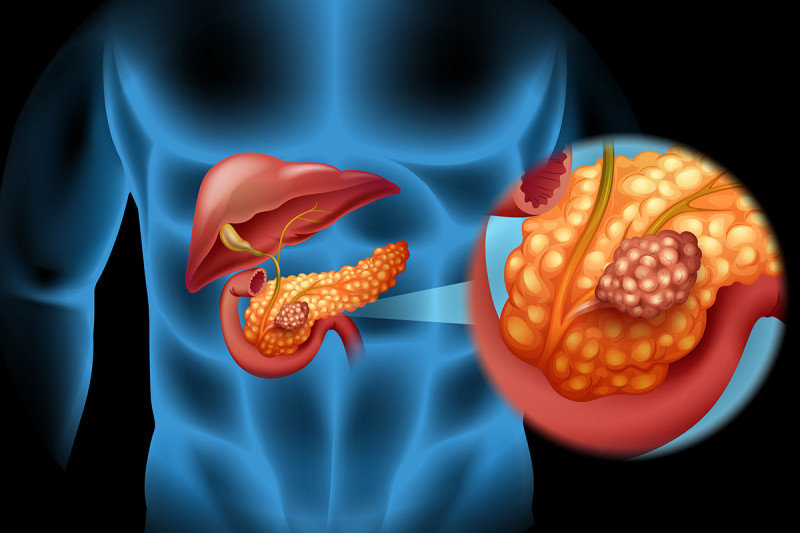
Most pancreatic cancers arise in the head of the gland, where they block the bile duct and cause painless jaundice. Tumours in the body and tail tend to present later with pain and weight loss. Accurate staging with contrast CT, and often endoscopic ultrasound with biopsy, decides whether the tumour is resectable.
Resection - most often Whipple's operation for tumours of the head - is complex surgery performed by our surgical gastroenterologist with special interest in pancreatic and cancer surgery. Chemotherapy is used before or after surgery, and for patients whose tumour cannot be removed. Whatever the stage, relief of jaundice, pain and digestive problems is an active part of care.
Hearing that you may have pancreatic cancer is very hard, for you and your family. It helps to know that the early part of care is about getting a clear answer - confirming the diagnosis, finding the stage and making sure you are well enough for treatment - and that your team explains each step as it happens.
Treatment is planned around the stage of the tumour and your general health. For some patients that means surgery; for others it means chemotherapy, stents to relieve jaundice, and good pain and nutrition care. In every case, comfort and quality of life are part of the plan.
Warning Signs of Pancreatic Cancer
Early pancreatic cancer often causes few symptoms. Signs that should be checked include:
- Painless jaundice with dark urine and pale stools
- Pain in the upper abdomen or back
- Loss of appetite and unexplained weight loss
- New-onset diabetes, or diabetes that suddenly becomes hard to control
- Nausea, indigestion, oily stools
- Fatigue; occasionally blood clots in the legs
- Itching of the skin, often alongside jaundice
- Pain that is worse after eating or when lying flat
- A general loss of interest in food
Symptoms vary from person to person. Having one or more of these does not confirm the condition - it means it is worth being checked.
When Should You Seek Urgent Help with Pancreatic Cancer?
Do not wait for an online appointment if you have any of the following. Call the hospital or go to the nearest emergency department.
- Jaundice with fever and shivering
- Vomiting and inability to keep food down
- Severe pain not controlled by prescribed medicines
How Pancreatic Cancer Is Diagnosed and Staged
At your first visit the doctor reviews your symptoms, reports and any scans, and examines you. Tests are then arranged to confirm the diagnosis and the stage. If jaundice needs relieving, that is often dealt with early, so that treatment can begin safely.
Who Is at Risk of Pancreatic Cancer?
- Smoking
- Chronic pancreatitis
- Long-standing diabetes and obesity
- Family history and inherited gene changes
- Some pancreatic cysts (IPMN and mucinous cysts)
- Increasing age
Most people who develop pancreatic cancer have no clear cause, and having a risk factor does not mean you will get it. Smoking is the most important risk that can be changed. A small number of cancers run in families, and some develop from certain types of pancreatic cyst, which is why those cysts are monitored.
Investigations
- Contrast CT of the pancreas
- The primary test for finding the tumour and assessing whether it involves major blood vessels.What to expect: You lie on a table that passes through a ring-shaped scanner while a contrast dye is given into a vein. It is painless; the dye can give a brief warm feeling.
- Endoscopic ultrasound with biopsy
- Confirms the diagnosis with a tissue sample and adds detail about local spread.What to expect: Done like an endoscopy, under sedation, so most people feel little or nothing. The tissue sample is taken through the scope, and the result follows later.
- MRI/MRCP and ERCP
- For duct assessment and to place a stent if jaundice needs relieving before treatment.What to expect: MRI is a painless scan in a tunnel-shaped machine. ERCP is done through the mouth under sedation; if a stent is placed, you may stay in hospital for a short period of observation.
- Blood tests
- Liver function, nutrition, and the tumour marker CA 19-9.What to expect: A routine blood sample. The CA 19-9 level is often checked again during treatment to help follow progress.
- Staging scans
- Chest and abdominal imaging to look for spread; sometimes a diagnostic laparoscopy before major surgery.What to expect: Painless scans of the chest and abdomen. If a diagnostic laparoscopy is advised, it is done under general anaesthetic through small cuts, and the surgeon explains why it is needed.
Treatment Options for Pancreatic Cancer
The usual path
- Diagnosis and staging.
Scans and, when needed, an EUS-guided biopsy confirm the diagnosis and show whether the tumour can be removed.
- Relief of jaundice and symptoms.
A stent placed at ERCP drains a blocked bile duct, and pain and nutrition are treated from the start.
- Surgery when the tumour can be removed.
Whipple's operation or distal pancreatectomy is offered when complete removal is achievable and you are fit enough. The operation and recovery are explained in detail beforehand.
- Ongoing treatment and support.
Chemotherapy may be advised before or after surgery, or as the main treatment, and your doctor will explain the plan and where it is given. Symptom care continues at every stage.
Medicines & lifestyle
- Pain and nutrition
- Enzyme replacement, dietary support and expert pain control, including nerve blocks guided by endoscopic ultrasound.
Endoscopic treatment
- Relieving jaundice and obstruction
- Endoscopic stents for the bile duct and, if needed, the duodenum.
Surgery
- Surgery
- Whipple's operation (pancreaticoduodenectomy) for tumours of the head; distal pancreatectomy for the body and tail. Performed only when complete removal is achievable and the patient is fit.
Other care
- Chemotherapy
- Before surgery to shrink borderline tumours, after surgery to reduce recurrence, or as the main treatment when surgery is not possible - planned with oncology.
- Palliative care
- Symptom control and support for patients and families at every stage; see Dr. Gabani's video on pain relief in advanced cancer.
The right treatment depends on the cause, how severe it is and your overall health. Your doctor will discuss the options with you before anything is decided.
Frequently Asked Questions about Pancreatic Cancer
Is pancreatic cancer always fatal?
No. Tumours that are found early and removed completely can be cured in a proportion of patients, and treatment for advanced disease has improved. Every case is discussed individually and honestly.
What is Whipple's operation?
Removal of the head of the pancreas together with the duodenum, part of the bile duct and the gallbladder, followed by reconnection of the remaining organs. It is a major operation with a hospital stay of one to two weeks.
Can I get a second opinion?
Yes, and we encourage it for a diagnosis of this seriousness. Bring your scans and reports; our team will review them and explain the options.
Why do I need a stent before starting chemotherapy or surgery?
When the tumour blocks the bile duct, bile builds up in the blood and causes jaundice, itching and poor liver function. Chemotherapy is not safe until the liver is working properly, and severe jaundice also increases the risks of a major operation. A stent placed at ERCP drains the bile and lets treatment go ahead; if surgery is planned very soon, the surgeon may sometimes proceed without one.
Why am I passing oily stools and losing weight even though I am eating?
The pancreas makes the enzymes that digest fat, and when a tumour or surgery reduces this, fat passes through undigested - stools become pale, greasy and hard to flush, and weight falls. Pancreatic enzyme capsules taken with every meal and snack restore digestion, and a dietitian will advise on nutritious, easily absorbed food. Please tell your team about these symptoms; they are treatable and better nutrition helps you tolerate treatment.
How do I know whether my tumour can be removed?
This depends mainly on whether the tumour involves the major blood vessels near the pancreas or has spread elsewhere, and on your general fitness. The surgical team reviews your scans and explains whether surgery is possible, borderline or not advised.
Is a biopsy always needed before surgery?
Not always. When scans strongly suggest a removable tumour and you are fit for surgery, the surgeon may recommend going ahead without one. A biopsy is needed before chemotherapy, or when the diagnosis is uncertain.
Should my family members be screened?
Most pancreatic cancer is not inherited. If two or more close relatives have had it, or a known inherited gene change runs in the family, your doctor may suggest genetic counselling and discuss whether screening is appropriate.
Why Choose Gujarat Hospital for Pancreatic Cancer
How we look after pancreatic cancer at our main hospital in Adajan, Surat:
- Diagnosis with EUS-guided biopsy, done under sedation in the endoscopy suite to confirm the diagnosis with a tissue sample.
- Jaundice relieved by ERCP stenting, so that further treatment can go ahead safely.
- A surgeon with special interest in pancreas and cancer surgery, who performs Whipple's operation and distal pancreatectomy, with keyhole or robotic surgery considered where suitable.
- Symptom relief at every stage. Pain, nutrition and blockages are treated actively, whether or not the tumour can be removed.
The information on this page is for general patient education and does not replace individual medical advice, diagnosis or treatment. Medical Disclaimer