
Jaundice in Surat What to Expect
Jaundice is yellowing of the eyes and skin caused by a build-up of bilirubin. It is a sign of liver disease, a blocked bile duct, or excessive breakdown of red blood cells - and always needs a diagnosis, not just treatment of the colour.
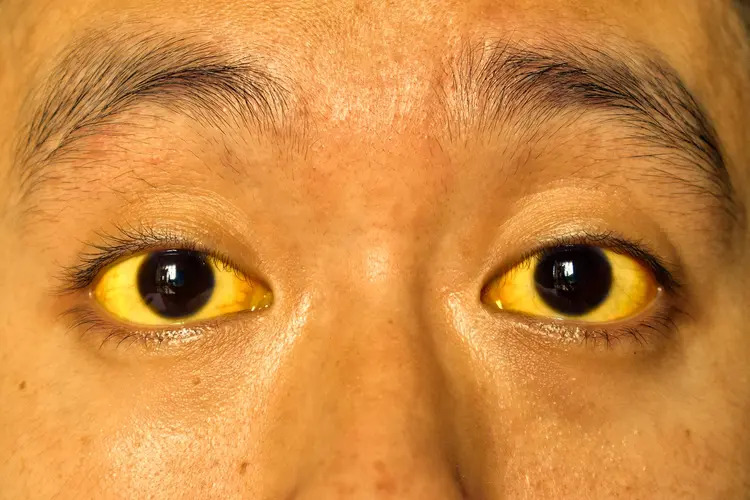
What Is Jaundice?
Bilirubin is a yellow pigment produced when old red blood cells are broken down. The liver processes it and passes it into bile, which drains through the bile duct into the intestine. Jaundice appears when the liver cannot process it (hepatitis, cirrhosis), when the duct is blocked (stones, strictures, tumours), or when too much is produced.
The pattern of symptoms and a few blood tests usually point to which of these is happening; an ultrasound then shows whether the ducts are dilated. Treatment depends entirely on the cause, which is why self-medication for 'jaundice' is unwise.
Noticing yellow eyes in the mirror, or being told by family that you look yellow, is worrying. Jaundice has many causes, from a short-lived viral infection to a stone in the bile duct, and most of them can be treated once they are found.
The first visit is about working out where the problem lies - in the liver, in the bile duct, or in the blood. How the jaundice started, whether there is pain or fever, and the colour of your urine and stools all help the doctor decide which tests to do and in what order.
Symptoms of Jaundice
Jaundice often comes with other changes that point to its cause. You may also notice:
- Yellow eyes first, then yellow skin
- Dark, tea-coloured urine
- Pale or clay-coloured stools (suggests a blocked duct)
- Itching, sometimes intense
- Tiredness, loss of appetite, nausea
- Abdominal pain or fever, depending on the cause
- Itching that is worse at night
- Pain under the right ribs, especially after meals
- Weight loss without trying
Symptoms vary from person to person. Having one or more of these does not confirm the condition - it means it is worth being checked.
When Is Jaundice an Emergency?
Do not wait for an online appointment if you have any of the following. Call the hospital or go to the nearest emergency department.
- Jaundice with fever and shivering - possible infection in a blocked duct (cholangitis)
- Jaundice with confusion, drowsiness or bleeding
- Severe abdominal pain with jaundice
- Jaundice in someone with known liver disease who is becoming unwell
How We Find the Cause of Jaundice
At your first visit the doctor asks how the jaundice started, about pain, fever, alcohol and any medicines or herbal remedies, and examines you. Blood tests and an ultrasound come first; further scans or an endoscopic test are added if the bile duct may be blocked.
What Causes Jaundice?
- Viral hepatitis (A, B, C, E) and other liver infections
- Alcohol-related and fatty liver disease, drug-induced liver injury
- Gallstones blocking the bile duct
- Strictures or tumours of the bile duct, pancreas or gallbladder
- Cirrhosis of any cause
- Conditions that break down red blood cells (haemolysis)
In younger people, sudden jaundice with tiredness and loss of appetite is most often due to viral hepatitis. Jaundice with pain and fever points to a stone in the bile duct. Painless jaundice that slowly deepens, especially with weight loss in an older person, needs prompt tests to rule out a growth blocking the duct.
Investigations
- Blood tests
- Liver function tests, bilirubin fractions, hepatitis viral markers and clotting - these separate liver-cell damage from duct blockage.What to expect: A routine blood sample. The results show how high the bilirubin is and whether the problem is more likely in the liver or the bile duct, which guides the next step.
- Ultrasound
- Shows the liver, gallbladder and whether the bile ducts are dilated.What to expect: A painless scan with gel on the abdomen. You may be asked not to eat for a few hours beforehand so the gallbladder and bile ducts show clearly.
- MRCP or CT
- Detailed pictures of the bile ducts and pancreas when a blockage is suspected.What to expect: You lie still on a table that moves through the scanner. It is painless. A CT may involve an injection of contrast dye, and before an MRCP you are asked about any metal implants or a pacemaker.
- Endoscopic ultrasound (EUS)
- Close-up imaging of the bile duct and pancreas from inside the stomach, with biopsy if needed.What to expect: Similar to an upper GI endoscopy, done under sedation, with a small ultrasound probe on the tip of the scope. If a biopsy is taken, the results follow later.
- Liver biopsy
- Occasionally, to define the type and stage of liver disease.What to expect: A small sample is taken with a fine needle through the skin after a local anaesthetic, usually guided by ultrasound. You rest and are observed for some hours afterwards. Your doctor will tell you how to prepare, including about any blood thinners.
Treatment Options for Jaundice
The usual path
- Find the cause first.
Blood tests and an ultrasound show whether the jaundice comes from the liver or a blocked bile duct.
- Medical care for liver causes.
Hepatitis and other liver causes are treated with rest, supportive care and specific medicines, and alcohol and unnecessary medicines are stopped.
- Opening a blocked duct.
If a stone or narrowing is blocking the duct, ERCP removes the stone or places a stent through the endoscope, without a skin cut.
- Surgery when it is the right choice.
Gallbladder removal for gallstones, or an operation for a tumour, is discussed with you by our surgical team before anything is decided.
Medicines & lifestyle
- Treating hepatitis and liver disease
- Rest, supportive care and specific antiviral or other medicines depending on the cause; alcohol must be stopped.
Endoscopic treatment
- Relieving a blocked duct
- ERCP removes bile-duct stones and places stents through the endoscope; this is also the way to drain an infected duct urgently.
Surgery
- Surgery
- For gallstones (removal of the gallbladder once the duct is clear) and for tumours of the bile duct, pancreas or gallbladder, discussed with our surgical team.
Other care
- Long-term care
- Cirrhosis and chronic hepatitis need ongoing monitoring; see the pages on those conditions.
The right treatment depends on the cause, how severe it is and your overall health. Your doctor will discuss the options with you before anything is decided.
Frequently Asked Questions about Jaundice
Is jaundice contagious?
Only some causes are - hepatitis A and E spread through contaminated food and water, hepatitis B and C through blood and body fluids. Jaundice from gallstones or cirrhosis is not infectious.
Can jaundice be treated at home?
Mild viral hepatitis in a young person may need only rest and supportive care - but that decision should be made after tests, because a blocked duct or severe hepatitis needs hospital treatment.
Why are my stools pale?
Pale stools mean bile is not reaching the intestine, which suggests a blockage of the bile duct. This should be assessed promptly.
Can I eat normally when I have jaundice?
Yes. There is no need for a special 'jaundice diet' - a light, balanced diet with enough fluids is all that is required, and loss of appetite usually improves as the cause is treated. Alcohol must be avoided completely, and fatty foods may be better tolerated in smaller amounts if they cause nausea. Herbal or unproven remedies should not be taken, as some can themselves damage the liver.
How long does jaundice take to clear?
It depends on the cause. In viral hepatitis the yellowing usually fades over a few weeks as the liver recovers, while in a blocked duct it starts to settle within days once the blockage is relieved. Bilirubin already in the skin takes time to clear, so the colour may lag behind the blood tests. Persistent or deepening jaundice after treatment should be reviewed.
Which doctor should I see for jaundice?
A gastroenterologist. You can book a consultation at our Adajan hospital or at the OPD nearest you; any tests and procedures are done at Adajan. If you have fever, confusion or severe pain with jaundice, come to the emergency department instead.
Does jaundice always mean my liver is damaged?
No. Jaundice can also come from a blocked bile duct or from red blood cells breaking down faster than normal. Some people have Gilbert syndrome, a common and harmless condition that causes a mild rise in bilirubin, often noticed during illness or fasting.
What is ERCP, and when is it needed?
ERCP is an endoscopic procedure, done under sedation, that reaches the bile duct through the mouth. It is used when a stone or narrowing is blocking the duct, to remove the stone or place a stent so bile can drain again.
Why Choose Gujarat Hospital for Jaundice
How we look after jaundice at our main hospital in Adajan, Surat:
- Liver and bile duct care in one department. Medical gastroenterologists assess the liver, and the GI surgical team is on the same campus if an operation is needed.
- A blocked duct can be opened through the endoscope. ERCP to remove stones and place stents, and EUS to look closely at the bile duct and pancreas, are done in the endoscopy suite at Adajan.
- A consultant with special interest in the liver and endoscopy, who also performs ERCP, EUS and SpyGlass cholangioscopy.
- No guesswork about the cause. Treatment is planned once tests show whether the jaundice comes from the liver, the bile duct or the blood.
The information on this page is for general patient education and does not replace individual medical advice, diagnosis or treatment. Medical Disclaimer