
Lower Limb Ischaemia in Surat What to Expect
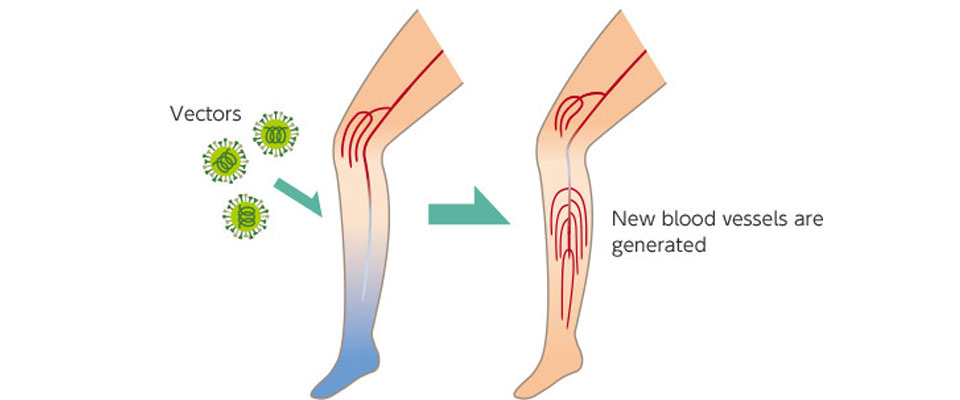
Lower limb ischemia means the leg is not receiving enough arterial blood. It may develop slowly, from narrowed arteries, or strike suddenly when a clot blocks an artery - and the sudden form is an emergency in which every hour counts.
What Is Lower Limb Ischaemia?
Chronic ischemia develops over months or years as atherosclerosis narrows the leg arteries, progressing from pain on walking (claudication) to pain at rest and non-healing wounds (critical ischemia). Acute ischemia occurs within hours when an artery is suddenly blocked - by a clot that has travelled from the heart, by clot forming on a diseased artery or aneurysm, or by injury. Muscle and nerve begin to die within about six hours of a complete blockage.
The signs of acute ischemia are summarised as the six Ps: pain, pallor, pulselessness, paraesthesia (numbness), paralysis and perishing cold. Anyone with these needs immediate assessment, blood thinners and a procedure to remove the clot or bypass the block. Chronic ischemia is assessed and treated in a planned way with medicines, exercise, angioplasty or bypass.
Lower limb ischaemia covers two quite different situations. In most people it builds up slowly over years, and there is time to assess and plan treatment. In a few, an artery blocks suddenly and the leg becomes cold, pale and painful within hours, which is an emergency.
Knowing the difference helps you act at the right speed. Slowly worsening pain on walking can be seen in the clinic. A leg that suddenly changes colour, goes numb or weak, or loses its pulse needs the emergency department straight away, because the muscles and nerves cannot survive long without blood.
Signs of Poor Blood Supply to the Leg
Depending on how quickly the blood supply has been lost, you may also notice:
- Cramping leg pain on walking, relieved by rest (chronic)
- Pain in the foot at night or at rest, wounds that will not heal (chronic, severe)
- Sudden severe pain, coldness and pallor of the leg (acute)
- Numbness, tingling and then weakness or inability to move the foot (acute)
- A mottled, blue or black leg when the blockage is advanced
- A leg that feels heavy, clumsy or 'dead' when you try to move it
- Skin that looks blotchy or marbled on the foot or leg
- Pain in the calf muscle when it is touched or squeezed
Symptoms vary from person to person. Having one or more of these does not confirm the condition - it means it is worth being checked.
When Is a Cold, Painful Leg an Emergency?
Do not wait for an online appointment if you have any of the following. Call the hospital or go to the nearest emergency department.
- A suddenly cold, pale, painful, numb or weak leg - go to the emergency department immediately; the leg can be lost within hours
- A foot wound with spreading infection or black tissue
How We Assess a Leg Short of Blood
In a sudden case, the doctor examines the leg straight away to judge how urgent it is, and treatment may start before every test is done. In a slower case, the visit is planned: the doctor asks about walking, rest pain and wounds, checks the pulses, and arranges scans to map the arteries.
What Cuts Off Blood Supply to the Leg?
- Atherosclerosis of the leg arteries
- Clots from the heart, especially with atrial fibrillation or after a heart attack
- Clot forming in a popliteal aneurysm or on a diseased artery
- Injury or previous arterial surgery
- Diabetes, smoking, high blood pressure and high cholesterol
Slow ischaemia is almost always caused by atherosclerosis. Sudden ischaemia is usually caused by a clot, either travelling from the heart in someone with an irregular heartbeat or forming on a narrowed artery, a bypass graft or an aneurysm behind the knee. Injury to an artery is a less common cause.
Investigations
- Clinical examination
- Pulses, temperature, sensation and movement establish how urgent the situation is.What to expect: The doctor checks the colour, temperature, feeling and movement of your leg and foot, and the pulses. It takes a short time and guides how quickly treatment is needed.
- Hand-held Doppler and ankle pressures
- Confirm the loss of arterial signal and its severity.What to expect: A small probe is placed on the skin of your foot to listen for the blood flow, and a cuff is put around your ankle. It is painless and done at the bedside.
- Duplex ultrasound
- Locates the blockage.What to expect: A painless scan with gel and a probe moved along your leg, done by the vascular team at the hospital. It shows where the artery is blocked.
- CT angiography
- Maps the arteries to plan the fastest way to restore flow.What to expect: You lie still in a scanner while dye is given through a drip. It shows the arteries from the abdomen to the foot. Tell the team about kidney disease or allergies.
- ECG and heart assessment
- To find the source of a clot in acute cases.What to expect: Sticky pads are placed on your chest to record the heart's rhythm. It is painless and helps show whether a clot may have come from the heart.
Treatment Options for Lower Limb Ischaemia
The usual path
- Protect the leg at once.
In a sudden blockage, a blood-thinning injection is started straight away to stop the clot extending.
- Find the blockage.
Examination and scans show where the artery is blocked and how urgently flow must be restored.
- Remove the clot or open the artery.
Clot surgery, angioplasty or bypass is chosen for the situation, often in the Hybrid Operation Theatre & Cathlab.
- Prevent it happening again.
Long-term blood thinners or antiplatelet medicines, statins and stopping smoking, with regular follow-up.
- Immediate heparin
- Blood-thinning medicine to stop the clot extending while treatment is arranged.
- Removal of the clot
- By a catheter (thrombectomy), clot-dissolving drugs delivered through a catheter, or open surgery, according to the situation.
- Angioplasty, stenting or bypass
- To treat the underlying narrowing once the clot is removed, or as planned treatment in chronic ischemia.
- Fasciotomy
- Releasing the muscle compartments if swelling threatens the circulation after flow is restored.
- Risk-factor control and anticoagulation
- Long-term blood thinners when a clot came from the heart; statins, antiplatelet medicine and stopping smoking for arterial disease.
- Amputation when the leg cannot be saved
- Kept as limited as possible and followed by rehabilitation.
The right treatment depends on the cause, how severe it is and your overall health. Your doctor will discuss the options with you before anything is decided.
Frequently Asked Questions about Lower Limb Ischaemia
How quickly must acute ischemia be treated?
Ideally within six hours of the onset of symptoms. After that, muscle and nerve damage become permanent and the chance of saving the leg falls sharply.
Where did the clot come from?
Most often from the heart in a person with an irregular heartbeat, or from a diseased artery or aneurysm in the leg. Finding the source guides long-term treatment.
Can chronic ischemia turn into acute ischemia?
Yes. A narrowed artery can block completely when a clot forms on the plaque. Good risk-factor control and antiplatelet medicine reduce that risk.
Is walking safe if I have claudication?
Yes, and it is part of the treatment. A structured walking programme - walking until the pain is moderate, resting, then continuing - encourages small vessels to develop and lengthens the distance you can walk. It is safe for chronic claudication; it is not advised when there is pain at rest or a foot wound, and any sudden change in the leg needs urgent review.
Do I need to keep taking blood thinners after the clot has been removed?
Usually yes. If the clot came from the heart, long-term anticoagulation is needed to stop another one forming; if it formed on a diseased artery, antiplatelet medicine and a statin protect the arteries. Stopping these medicines without advice risks a repeat blockage. Your doctor will decide which medicines you need and for how long.
What should I do if my leg suddenly turns cold and painful?
Go to the nearest emergency department straight away, or call an ambulance. Note the time it started. Keep the leg still and do not rub it, massage it or put heat on it. Do not wait to see if it settles.
Can an injury cut off the blood supply to the leg?
Yes. A fracture, a dislocated knee or a deep cut can damage an artery. An injured leg that is cold, pale or has no pulse in the foot needs emergency care. Repair of injured vessels is among the procedures our vascular surgeon performs.
Will I need to stay in hospital?
After treatment for a sudden blockage you are usually admitted and watched closely, sometimes in the ICU, while the leg recovers. Planned angioplasty or bypass for slowly narrowing arteries may also need a hospital stay; your doctor will tell you what to expect.
Why Choose Gujarat Hospital for Lower Limb Ischaemia
How we look after lower limb ischaemia at our main hospital in Adajan, Surat:
- 24×7 emergency care for a sudden blockage. A leg that suddenly loses its blood supply is an emergency, and the hospital is open round the clock.
- Clot surgery by the vascular surgeon. Surgery for clots in blood vessels and repair of injured vessels are among the procedures Dr. Ankur Patel performs.
- A Hybrid Operation Theatre & Cathlab. The team can image the arteries and operate in the same room, in the same sitting, so clot removal, angioplasty and bypass can be combined.
- Planned care for slowly narrowing arteries, from medicines and walking to angioplasty or bypass, for pain on walking, rest pain and wounds.
The information on this page is for general patient education and does not replace individual medical advice, diagnosis or treatment. Medical Disclaimer