
Treatment for Blocked Leg Arteries in Surat What to Expect
Blocked leg arteries are treated by controlling risk factors and, when needed, restoring blood flow: angioplasty and stenting through a small puncture, bypass surgery, or both combined in our Hybrid Operation Theatre and Cathlab.
What is Treatment for Blocked Leg Arteries?
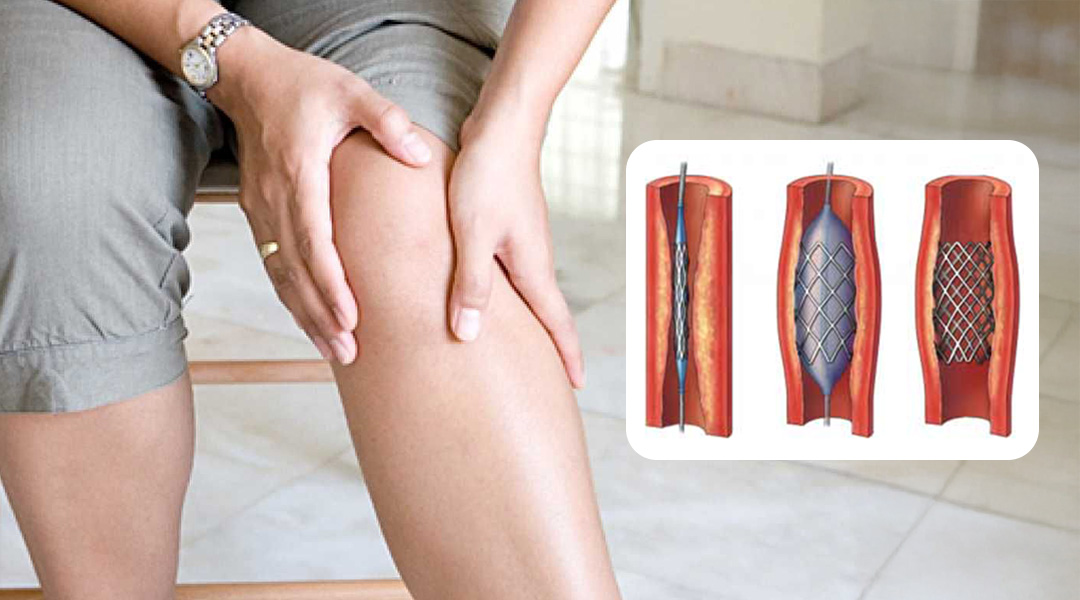
For most people with pain on walking, treatment starts with medicines, stopping smoking and supervised walking. When symptoms are disabling, or when the limb is threatened by rest pain, ulcers or gangrene, blood flow must be restored. Angioplasty passes a balloon through a puncture in the groin to open the narrowing, often with a stent; bypass surgery uses a vein or synthetic graft to carry blood around a long blockage.
Our Hybrid Operation Theatre at Adajan allows the vascular surgeon to combine both in one sitting when disease is complex - an endovascular procedure for one segment and a surgical bypass for another - without moving the patient.
Which treatment you have depends on where the blockages are, how long they are and how fit you are. The decision is made with you after a duplex ultrasound and CT angiography, and the medicines that protect the artery are continued whichever treatment is chosen.
When Do Blocked Leg Arteries Need Treatment?
Your surgeon may recommend restoring blood flow for:
- Claudication - pain on walking - that limits daily life despite medicines and exercise See: intermittent claudication · blocked leg arteries
- Critical limb ischaemia: rest pain, non-healing ulcers or gangrene See: critical limb ischemia
- Acute blockage of an artery - an emergency See: lower limb ischemia
- Restoring blood flow to heal a diabetic foot ulcer See: diabetic foot · leg ulcers
Treatment usually starts with medicines, stopping smoking and walking. Angioplasty or bypass is offered when symptoms limit daily life or the leg is at risk.
Your Treatment for Blocked Leg Arteries: Step by Step
Angioplasty usually means one night in hospital; bypass means several days. An acute blockage is an emergency and is treated straight away. For planned treatment, this is the usual path.
- Consultation and scans
The surgeon examines your legs and feet, and duplex ultrasound and CT angiography show where the arteries are narrowed or blocked.
- The decision
Angioplasty, bypass, endarterectomy or a hybrid procedure is recommended according to the pattern of disease and your fitness, and its risks and alternatives are explained so that you can decide.
- Preparation and admission
Blood tests including kidney function and a heart assessment are done, antiplatelet and cholesterol medicines are started or continued, and blood thinners are adjusted as advised. Admission at the main hospital in Adajan, fasting as instructed.
- The procedure
Angioplasty under local anaesthetic and sedation through a needle puncture in the groin, or bypass under general or regional anaesthesia, or both together in the Hybrid Operation Theatre (described in the next section).
- Recovery and follow-up
After angioplasty you walk the same or next day and go home within a day or two; after bypass you stay several days for wound care and gradual walking. Follow-up scans at intervals check the treated segment - at Adajan or at the OPD nearest you.
What Happens During Angioplasty or Bypass
Angioplasty: under local anaesthetic and sedation, a needle puncture in the groin, a wire and balloon are guided to the narrowing under X-ray, the balloon is inflated and a stent placed if needed; the puncture is sealed; one night in hospital
Bypass: under general or regional anaesthesia, a graft is joined above and below the blockage; several days in hospital
Hybrid procedure: both performed together in the Hybrid Operation Theatre
Endarterectomy: removal of the blockage from within the artery at the groin, sometimes combined with the above
What you will feel - and what you won't. Angioplasty is done under local anaesthetic and sedation, so you feel the needle in the groin briefly and then little more than pressure; some people notice a warm feeling when the contrast is injected. You lie flat for a few hours afterwards, and the groin may be bruised. Bypass is done under general or regional anaesthesia, so you feel nothing during it; afterwards there is wound pain along the leg, which is controlled with pain relief so that you can start walking. The team tells you what to expect for your particular procedure.
How to Prepare for Treatment of Blocked Leg Arteries
- Scans to plan the treatment. Duplex ultrasound and CT angiography to plan.
- Kidney and heart checks. Blood tests including kidney function (contrast is used), and heart assessment.
- Your medicines. Antiplatelet and cholesterol medicines are started or continued; blood thinners adjusted as advised.
- Fasting and smoking. Fasting instructions; stopping smoking.
These are general points. The written instructions you receive from the hospital for your own procedure take priority - see also Patient Information.
After Treatment: Recovery, Medicines & Walking
After angioplasty. After angioplasty: lie flat for a few hours, walk the same or next day, home within a day or two.
After bypass. After bypass: several days in hospital, wound care and gradual walking.
Medicines for life. Antiplatelet medicines are continued long-term to keep the artery or graft open.
Follow-up. Follow-up scans at intervals check the treated segment. Follow-up visits can be at Adajan or at the OPD nearest you.
Keeping the arteries healthy. Continued risk-factor control and walking.
Is Treatment for Blocked Leg Arteries Safe?
Angioplasty: bleeding or bruising at the puncture, contrast effects on the kidneys, re-narrowing over time, and rarely damage to the artery.
Bypass: bleeding, wound infection, graft blockage, heart and chest complications, as with major surgery.
Every procedure is discussed with its specific risks and alternatives.
Contact the hospital immediately if the treated leg becomes cold, pale, numb or very painful, or if the groin puncture site swells or bleeds.
After a procedure, contact the hospital at once for severe pain, fever, vomiting, bleeding or breathlessness: Emergency 24×7: 90333 62020
Alternatives to Angioplasty and Bypass
Medicines, supervised exercise and risk-factor control alone for claudication.
Amputation when the limb cannot be saved, with rehabilitation.
Why Choose Gujarat Hospital for Blocked Leg Arteries
Blocked leg arteries are treated well when angioplasty and bypass are both available and can be combined where needed. At Gujarat Gastro & Vascular Hospital, Adajan, Surat:
- One surgeon for angioplasty and bypass. Dr. Ankur Patel, Vascular & Endovascular Surgeon (M.S., FVES, Fellowship in Vascular & Endovascular Surgery), performs peripheral angiography and angioplasty, and bypass surgery of leg and arm vessels (fem-pop, aortoiliac) - so the choice between them is made on your disease, not on who is available.
- A Hybrid Operation Theatre & Cathlab. An operating room with a catheterisation lab built in, so the team can image blood vessels and operate in the same room, in the same sitting. Angioplasty and bypass can be combined without moving you between separate facilities.
- Care for the diabetic foot alongside. Diabetic foot surgery is done by the same vascular team, so restoring blood flow and treating the ulcer or wound are planned together.
- 24x7 emergency care for a sudden blockage. An acute blockage of an artery is an emergency. The hospital provides 24x7 emergency care, and surgery for clots and catheter-directed thrombolysis are among the procedures the vascular surgeon performs.
Frequently Asked Questions about Treatment for Blocked Leg Arteries
How long will a stent last?
Many stay open for years, particularly with medicines, walking and no smoking. Re-narrowing can occur and is usually treatable by repeat angioplasty; follow-up scans detect it early.
Will I be awake during angioplasty?
Angioplasty is done under local anaesthetic with sedation, through a needle puncture in the groin, so you are relaxed but not under a general anaesthetic. Bypass is done under general or regional anaesthesia. The team explains which applies to you before the procedure.
Is bypass better than angioplasty?
Each suits different patterns of disease. Long blockages in fit patients often do best with bypass; shorter ones with angioplasty. The Hybrid OT allows both where needed.
What is a hybrid procedure?
When disease is complex, one segment of artery may suit angioplasty and another a bypass or endarterectomy. In the Hybrid Operation Theatre & Cathlab both are done together in one sitting, with imaging and surgery in the same room, so you do not need to be moved between separate facilities or come back for a second procedure.
Will my walking distance improve?
Restoring blood flow relieves claudication in most patients; combined with a walking programme, the improvement is greater and longer-lasting.
Can I stop my antiplatelet or cholesterol tablets after a successful angioplasty?
No. These medicines keep the treated artery or graft open and protect the heart and brain, so they are continued for life unless the doctor changes them for a specific reason. Stopping them on your own greatly increases the chance of the artery blocking again. If you have side effects or cost concerns, tell the vascular team so an alternative can be arranged.
Why is my kidney function checked before treatment?
Contrast dye is used to show the arteries on CT angiography and during angioplasty, and it can affect the kidneys. Blood tests of kidney function are done beforehand so the team can plan safely, especially if you have diabetes or known kidney problems.
How does diabetes affect treatment for blocked leg arteries?
In diabetes the blockages tend to affect the smaller arteries below the knee and to be longer and more calcified, and wounds heal less readily, so restoring flow is often essential to save a foot ulcer. Angioplasty is frequently the first choice because it reaches these small vessels; bypass remains an option for some. Kidney function is checked carefully because contrast dye is used, and blood sugar is kept well controlled around the procedure.
The information on this page is for general patient education and does not replace individual medical advice, diagnosis or treatment. Medical Disclaimer