
Gallbladder and Bile Duct Surgery in Surat What to Expect
Removal of the gallbladder (cholecystectomy) is the treatment for symptomatic gallstones and cholecystitis, performed laparoscopically or robotically with a short stay. Surgery on the bile duct itself is needed for some strictures, injuries and tumours.
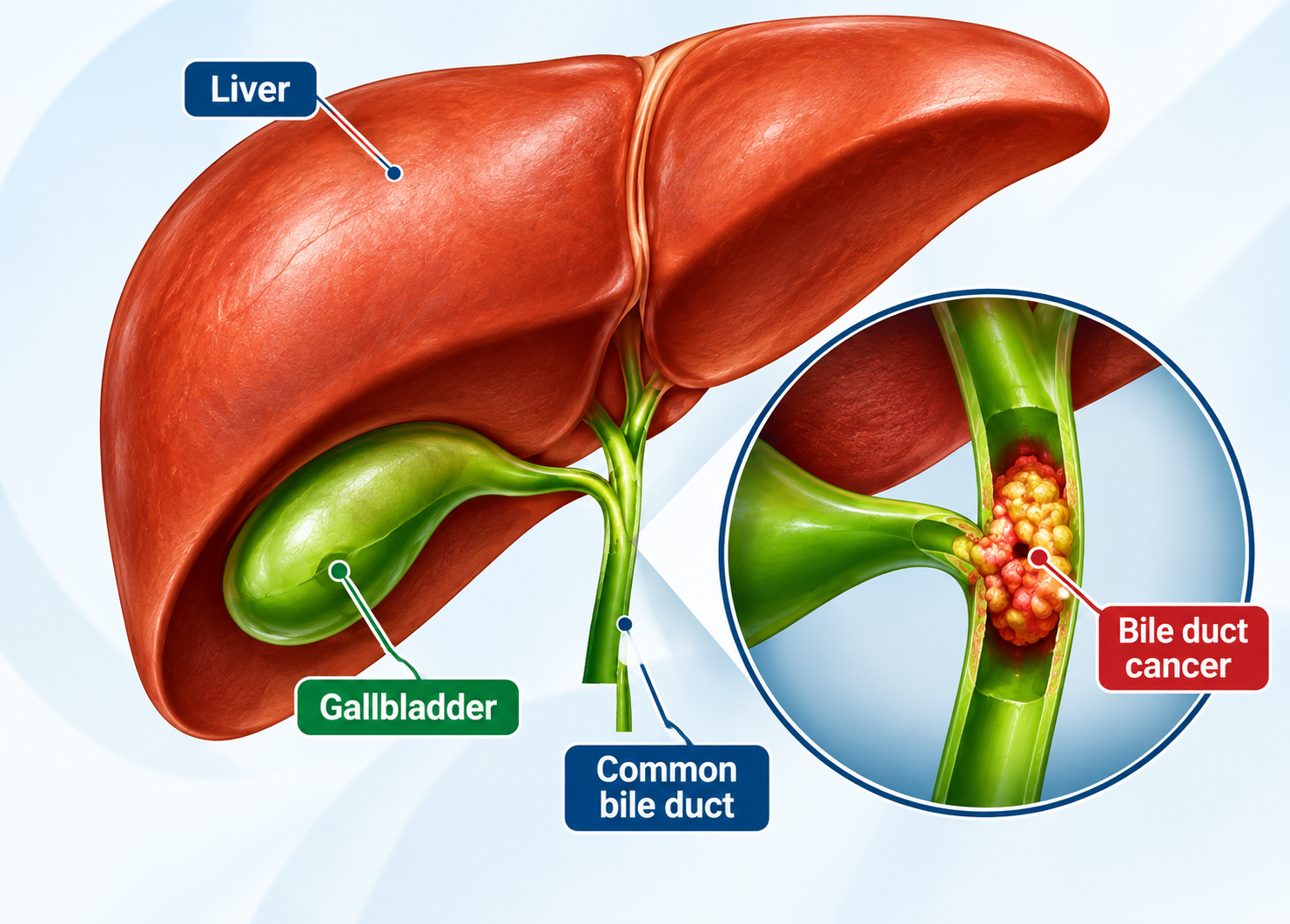
What is Gallbladder and Bile Duct Surgery?
Laparoscopic cholecystectomy is one of the commonest operations worldwide. Four small incisions, a camera and instruments allow the gallbladder to be freed from the liver and its duct and artery sealed, usually in under an hour. Most patients go home the next day. Our surgeons at Adajan also perform it robotically, and open when that is safer.
Bile duct surgery - repairing a stricture, joining the duct to the intestine, or removing a tumour with reconstruction - is more complex and is planned with our gastroenterologists, who manage stones and strictures endoscopically whenever possible.
At Gujarat Gastro & Vascular Hospital, gallstones are not operated on just because they are there. Silent stones found by chance are usually left alone, and surgery is decided with you once the stones are causing pain or complications. Stones that have slipped into the bile duct, and blocked or infected ducts, are cleared or drained by ERCP first by the medical gastroenterology team on the same campus.
When is Gallbladder or Bile Duct Surgery Needed?
Your surgeon may recommend an operation for:
- Gallstones causing pain, or complications such as cholecystitis or pancreatitis See: gallstones · gallbladder inflammation · acute pancreatitis
- Gallbladder polyps above a certain size, or a non-functioning gallbladder
- Bile duct stones not removable by ERCP, or combined with gallbladder removal See: bile duct stones and blockage
- Benign strictures and injuries of the bile duct See: obstructive jaundice
- Cancers of the gallbladder and bile duct See: gallbladder and bile duct cancers
Surgery is never the first step for a silent gallstone, and duct stones are removed by ERCP whenever possible. The reason for an operation is explained to you before consent.
Your Gallbladder Surgery Stay: Step by Step
Laparoscopic cholecystectomy is a short-stay operation; bile duct surgery is a bigger operation with a longer stay. This is the usual path from the first consultation to follow-up. For acute cholecystitis in a fit patient the operation is often done during the same admission.
- Assessment and decision
Blood tests, ultrasound and, where needed, MRCP or ERCP beforehand. The surgeon explains whether the gallbladder, the duct or both need an operation, what it involves and the alternatives, and you decide together.
- Preparation and anaesthetic check
If the duct is blocked or infected, drainage by ERCP first. An anaesthetic assessment is done, and you receive fasting and medicine instructions from the surgical team.
- Admission
Admission at the main hospital in Adajan, fasting as instructed.
- The operation
Under general anaesthesia. Laparoscopic cholecystectomy: through small incisions the gallbladder is separated from the liver, the cystic duct and artery are clipped and divided, and the gallbladder is removed in a bag through one port, with a cholangiogram if duct stones are suspected. Bile duct surgery: the duct is opened or resected and joined to a loop of intestine, or reconstructed after injury (described in the next section).
- Going home and follow-up
Home the same or next day after laparoscopic cholecystectomy; several days after bile duct surgery. You return to a normal diet and light work within a week or so, and follow-up is at Adajan or at the OPD nearest you.
What Happens During Gallbladder and Bile Duct Surgery
General anaesthesia is given
Laparoscopic cholecystectomy: small incisions, the gallbladder is separated from the liver, the cystic duct and artery are clipped and divided, and the gallbladder removed in a bag through one port
A cholangiogram (X-ray of the duct) may be done during surgery if duct stones are suspected
Bile duct surgery: the duct is opened or resected and joined to a loop of intestine, or reconstructed after injury
Open surgery uses an incision under the right ribs
What you will feel - and what you won't. The operation is done under general anaesthesia, so you feel nothing during it. After laparoscopic cholecystectomy there is mild discomfort at the small wounds and often shoulder-tip pain from the gas used to create working space; both settle within a few days with simple pain relief. After bile duct surgery, or an open operation through an incision under the right ribs, there is more wound pain, which is controlled with regular pain relief so that you can breathe deeply and walk early. The team tells you what to expect for your particular operation.
How to Prepare for Gallbladder and Bile Duct Surgery
- Tests before the operation. Blood tests, ultrasound and, where needed, MRCP or ERCP beforehand.
- If the duct is blocked. If the duct is blocked or infected, drainage by ERCP first.
- Fitness for anaesthesia. Anaesthetic assessment.
- Fasting and medicines. Fasting and medicine instructions from the surgical team. Please follow the written instructions exactly, especially for blood thinners and diabetes medicines.
These are general points. The written instructions you receive from the hospital for your own procedure take priority - see also Patient Information.
After Gallbladder and Bile Duct Surgery: Recovery & Going Home
Going home. Home the same or next day after laparoscopic cholecystectomy; several days after bile duct surgery.
The first few days. Shoulder-tip pain and mild wound discomfort for a few days. Normal diet can be resumed; some people have looser stools for a while.
Getting back to normal. Return to light work within a week or so.
When to call us. Report fever, jaundice, increasing pain or persistent vomiting. Follow-up visits can be at Adajan or at the OPD nearest you.
Is Gallbladder and Bile Duct Surgery Safe?
Laparoscopic cholecystectomy is safe; bleeding, infection, bile leak and, rarely, injury to the bile duct are the risks, and conversion to open surgery is occasionally needed.
Bile duct surgery carries higher risks of leak, stricture and infection, explained in detail beforehand.
Contact the hospital if you develop fever, worsening abdominal pain, jaundice, vomiting or wound discharge after you go home.
After a procedure, contact the hospital at once for severe pain, fever, vomiting, bleeding or breathlessness: Emergency 24×7: 90333 62020
Alternatives to Gallbladder and Bile Duct Surgery
No treatment for silent gallstones found by chance.
ERCP alone for duct stones in patients unfit for surgery.
Percutaneous drainage of the gallbladder in patients too unwell for an operation.
Why Choose Gujarat Hospital for Gallbladder and Bile Duct Surgery
Gallbladder surgery is routine, but it is safest where the bile duct can be dealt with by endoscopy as well as surgery, and where a complex duct operation is in experienced hands. At Gujarat Gastro & Vascular Hospital, Adajan, Surat:
- Laparoscopic, robotic and open cholecystectomy by one surgical team. Dr. Naresh Gabani, Consultant Surgical Gastroenterologist & GI Robotic Surgeon; Dr. Meet Desai, Consultant GI & Foregut Surgeon, who performs HPB surgery, laparoscopic and open; and Dr. Tejas Patel, Gastrointestinal & Bariatric Surgeon, perform gallbladder surgery here. The robotic surgery system is used for gallbladder stones in suitable patients, and open surgery where that is safer.
- ERCP and SpyGlass on the same campus. The medical gastroenterology team clears duct stones and drains blocked or infected ducts by ERCP, with SpyGlass cholangioscopy for difficult stones and strictures - so you are only offered duct surgery when endoscopy cannot do the job, and the timing of ERCP and surgery is planned by both teams together.
- Bile duct repair and reconstruction. Repair of strictures and injuries of the bile duct, and removal of gallbladder and bile duct cancers with reconstruction, are performed by the same surgical gastroenterologists, with a 9-bed ICU with ventilator support for patients who need close monitoring after a major duct operation.
- 24x7 emergency care for acute cholecystitis. A painful, inflamed gallbladder is assessed round the clock in the emergency department, and in a fit patient early surgery during the same admission is now usual, because it avoids repeated attacks.
Frequently Asked Questions about Gallbladder and Bile Duct Surgery
Can I live normally without a gallbladder?
Yes. Bile flows directly from the liver to the intestine; digestion is essentially unaffected for most people.
Do silent gallstones need an operation?
Usually not. Gallstones found by chance on a scan, which have never caused pain or complications, are generally left alone and no treatment is needed. Surgery is recommended once stones cause pain, or complications such as cholecystitis or pancreatitis. Your surgeon explains the reason for any operation before consent.
When is the operation done urgently?
For acute cholecystitis in a fit patient, early surgery during the same admission is now usual, because it avoids repeated attacks.
Can my gallbladder be removed by robot?
Yes, in suitable patients. The robotic surgery system is used for gallbladder stones at Gujarat Hospital, with the surgeon at a console controlling instruments through small incisions. The operation inside is the same as laparoscopic cholecystectomy, and the surgeon chooses the approach that is safest for you. Open surgery through an incision under the right ribs is used where that is safer.
What is a bile duct injury?
A rare complication of gallbladder surgery in which the main duct is damaged. It is repaired by specialist surgery; our team manages both prevention and repair.
Why is ERCP sometimes done before the gallbladder operation?
If a stone has slipped into the bile duct, or the duct is blocked or infected, it is cleared or drained by ERCP first. This relieves jaundice and infection and makes the operation safer, because the surgeon then only needs to remove the gallbladder. The timing of ERCP and surgery is planned by the gastroenterologist and surgeon together.
How soon can I eat after gallbladder surgery?
A normal diet can be resumed once you are awake and not feeling sick, usually the same day. Bile flows directly from the liver to the intestine, so digestion is essentially unaffected for most people, although some have looser stools for a while. Most patients are home the same or next day and back to light work within a week or so.
What is a cholangiogram and why might it be done during my operation?
A cholangiogram is an X-ray of the bile duct taken during surgery by injecting dye through the gallbladder's duct. It is done when a duct stone is suspected from blood tests or scans, or when the anatomy is unclear. If a stone is found, it can be dealt with at the time or by ERCP afterwards, and it helps the surgeon identify the ducts clearly before they are divided.
The information on this page is for general patient education and does not replace individual medical advice, diagnosis or treatment. Medical Disclaimer