
Liver Surgery in Surat What to Expect
Liver resection removes the part of the liver containing a tumour while leaving enough healthy liver to function - and the liver regenerates. Our surgical gastroenterologists perform liver surgery, using CUSA for precise dissection and laparoscopic or robotic approaches where suitable.
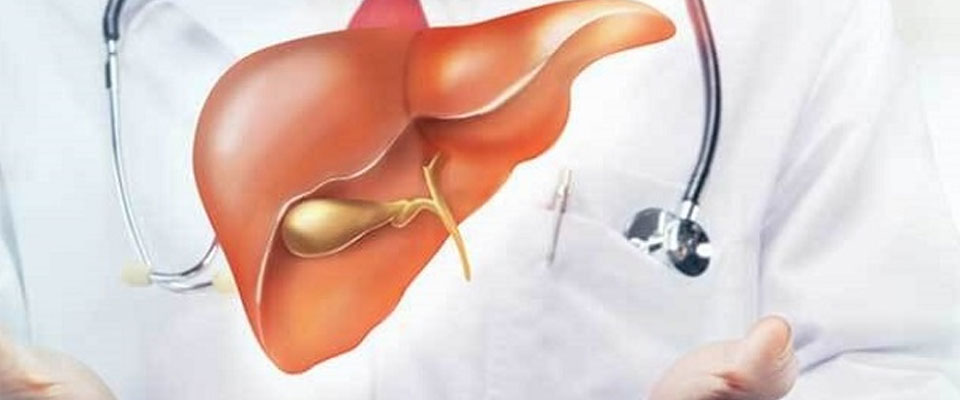
What is Liver Surgery?
The liver is divided into segments with their own blood supply, which allows a surgeon to remove one or several segments safely. The key questions are whether the tumour can be removed completely and whether the remaining liver will be enough - assessed with detailed imaging and liver function tests, and with additional preparation when needed.
CUSA (a Cavitron Ultrasonic Surgical Aspirator) breaks up liver tissue with ultrasound while sparing blood vessels and bile ducts, reducing bleeding. Intraoperative ultrasound guides the surgeon to the tumour and its margins.
At Gujarat Gastro & Vascular Hospital in Adajan, Surat, liver resection is performed by our surgical gastroenterologists, open, laparoscopic or robotic as planned for each patient. Imaging is reviewed with the medical gastroenterology team on the same campus, who also treat hepatitis and cirrhosis, and ICU care is there for the first night after a major resection.
When is Liver Surgery Needed?
Your surgeon may recommend liver resection for:
- Primary liver cancer (hepatocellular carcinoma) in a liver that functions well See: liver tumours and liver cancer · liver cirrhosis
- Cancer that has spread to the liver, most often from the colon, when it can be removed See: liver tumours and liver cancer
- Bile duct cancer involving the liver, and gallbladder cancer requiring liver resection See: gallbladder and bile duct cancers
- Large or symptomatic benign tumours See: liver tumours and liver cancer
- Some liver cysts and abscesses not manageable otherwise
Surgery is never the first step. Whether a tumour can be removed, and whether the remaining liver will be enough, is decided with you after imaging, liver function tests and a team review.
Your Liver Surgery Stay: Step by Step
Liver surgery is a planned operation that follows detailed imaging and assessment of how well the liver works. This is the usual path from the first consultation to follow-up; the length of stay depends on how much liver is removed.
- Assessment and the team decision
Joint review of the imaging by the surgeon and gastroenterologist, with assessment of the tumour and of liver function and volume. Sometimes a procedure to enlarge the future remaining liver is done beforehand. The surgeon explains the operation, its risks and the alternatives, and you decide together.
- Preparation and anaesthetic check
Blood tests of liver function and clotting, treatment of any hepatitis or cirrhosis-related issues, and an anaesthetic and fitness assessment. Nutrition is built up and, where needed, alcohol is stopped before surgery. You receive written fasting and medicine instructions.
- Admission
Admission at the main hospital in Adajan, fasting as instructed.
- The operation
Under general anaesthesia - open, laparoscopic or robotic as planned - intraoperative ultrasound locates the tumour, the liver is divided with CUSA, vessels and ducts are sealed, and the specimen is removed after checking for bleeding or bile leak (described in the next section).
- Hospital stay, going home and follow-up
ICU or high-dependency care for the first night after a major resection, then recovery on the ward with early walking and a gradual return to a normal diet. Hospital stay is about a week for major resections, less for smaller ones. Follow-up with scans at intervals is at Adajan or at the OPD nearest you.
What Happens During Liver Surgery
Assessment of the tumour and of liver function and volume; sometimes a procedure to enlarge the future remaining liver beforehand
General anaesthesia; open, laparoscopic or robotic approach as planned
Intraoperative ultrasound to locate the tumour and plan the line of division
Division of the liver with CUSA and sealing of vessels and ducts
Removal of the specimen and checking for bleeding or bile leak
ICU or high-dependency care for the first night after major resections
What you will feel - and what you won't. The operation is done under general anaesthesia, so you are asleep and feel nothing during it. Afterwards there is pain at the wound, less after a keyhole or robotic approach than after an open incision under the ribs, and it is controlled with regular pain relief so that you can breathe deeply and walk early. Drains are uncomfortable rather than painful and are removed as output settles. Tiredness is normal for some weeks while the liver regrows, and the team tells you what to expect for your particular operation.
How to Prepare for Liver Surgery
- Imaging and team review. Joint review of the imaging by the surgeon and gastroenterologist.
- Liver tests and treatment. Blood tests of liver function and clotting, and treatment of any hepatitis or cirrhosis-related issues.
- Fitness for anaesthesia. Anaesthetic and fitness assessment.
- Nutrition and alcohol. Nutrition and, where needed, alcohol abstinence before surgery.
These are general points. The written instructions you receive from the hospital for your own procedure take priority - see also Patient Information.
After Liver Surgery: Recovery & How the Liver Regrows
The hospital stay. Hospital stay of about a week for major resections, less for smaller ones. Blood tests are watched as the liver recovers; mild jaundice can occur for a few days.
Walking, eating and drains. Early walking, gradual return to a normal diet. Drains removed as output settles.
Follow-up. Follow-up with scans at intervals to detect any recurrence early. Follow-up visits can be at Adajan or at the OPD nearest you.
Is Liver Surgery Safe?
Bleeding, bile leak, infection and temporary liver insufficiency are the main risks; they are more likely with larger resections and cirrhotic livers and are discussed beforehand.
Blood clots and chest complications, as with any major surgery.
In cirrhosis, the risk of decompensation is assessed carefully before surgery is offered.
Contact the hospital if you develop fever, increasing abdominal pain, jaundice, vomiting or wound discharge after you go home.
After a procedure, contact the hospital at once for severe pain, fever, vomiting, bleeding or breathlessness: Emergency 24×7: 90333 62020
Alternatives to Liver Surgery
Ablation (destroying small tumours with heat) for small primary tumours.
Trans-arterial treatments and systemic therapy for tumours that cannot be removed.
Liver transplant referral for selected patients with primary liver cancer and cirrhosis.
Why Choose Gujarat Hospital for Liver Surgery
Liver surgery is safest when the imaging, the operation and the care of the liver afterwards are handled together. At Gujarat Gastro & Vascular Hospital, Adajan, Surat:
- Surgical gastroenterologists trained in liver surgery. Dr. Naresh Gabani, Consultant Surgical Gastroenterologist & GI Robotic Surgeon (M.Ch. Pancreas, Liver & GI Surgery), performs liver and GI cancer surgery; Dr. Meet Desai, Consultant GI & Foregut Surgeon, performs HPB surgery, laparoscopic and open.
- CUSA and intraoperative ultrasound. The liver is divided with CUSA, which spares blood vessels and bile ducts and reduces bleeding, and intraoperative ultrasound guides the surgeon to the tumour and its margins. Laparoscopic and robotic approaches are used where suitable; open surgery where it is safer.
- Liver disease managed on the same campus. The medical gastroenterology team treats hepatitis, fatty liver and cirrhosis here, and does the EUS, ERCP and SpyGlass that assess bile duct and gallbladder cancers - so the decision about surgery and the care of the liver afterwards are in one place.
- ICU and high-dependency care after major resections. The 9-bed ICU with ventilator support on the same campus looks after you for the first night after a major resection, with an on-site laboratory and blood bank by referral.
Frequently Asked Questions about Liver Surgery
How much liver can be removed?
Up to about two-thirds in a healthy liver; less if the liver is diseased. The remaining liver grows back to near its original size within weeks.
Can liver surgery be done by keyhole or robot?
For suitable tumours, yes. Laparoscopic and robotic approaches are used at Gujarat Hospital where the position and size of the tumour allow, with smaller wounds and a quicker recovery. The amount of liver removed and the margin around the tumour are the same as in open surgery. Open surgery is chosen where it is safer.
Will I need chemotherapy as well?
Often, for cancers that have spread to the liver, before or after surgery. The oncologist and surgeon plan this together.
Can I have liver surgery if I have cirrhosis?
Sometimes. In cirrhosis the risk of the liver failing after surgery is assessed carefully before an operation is offered, with blood tests of liver function and clotting and a measurement of how much liver would be left. Smaller resections, ablation or referral for liver transplant may be safer options. The medical gastroenterology team that manages your liver disease and the surgeon decide together.
What is CUSA?
An ultrasonic instrument that breaks up liver tissue while leaving vessels and ducts intact, allowing precise, low-blood-loss division of the liver.
What can I eat after liver surgery, and can I drink alcohol?
A normal balanced diet with adequate protein helps the liver regenerate, and there are no long-term food restrictions after recovery. Alcohol should be avoided completely while the liver recovers and, if there is underlying liver disease, permanently. The team advises on nutrition before discharge.
Will I need intensive care after liver surgery?
After a major resection the first night is usually spent in the intensive care or high-dependency unit for close monitoring; the hospital has a 9-bed ICU with ventilator support on the same campus. After a smaller resection most patients go straight to the ward. Your surgeon tells you beforehand what to expect.
Why is the size of the remaining liver measured before surgery?
The liver that is left behind must be large enough to function until it regenerates. Imaging is used to calculate its volume, and if it would be too small - particularly in a diseased liver - a procedure to enlarge it, such as blocking the blood supply to the side being removed, may be done some weeks before the operation. This makes a larger resection safer.
The information on this page is for general patient education and does not replace individual medical advice, diagnosis or treatment. Medical Disclaimer