
Pancreas Surgery in Surat What to Expect
Pancreatic surgery treats tumours, cysts and complications of chronic pancreatitis. It includes Whipple's operation and distal pancreatectomy for tumours, and drainage or resection procedures for painful chronic pancreatitis. These are complex operations performed by our surgical gastroenterologist with special interest in pancreatic disease.
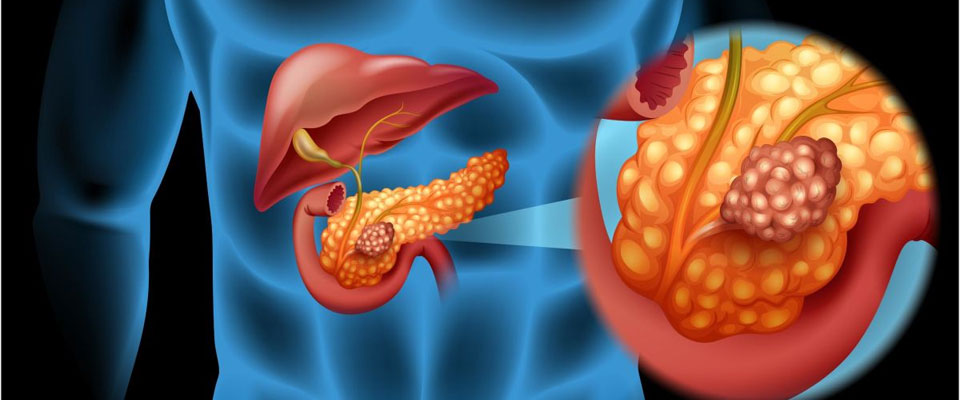
What is Pancreas Surgery?
The pancreas lies deep in the abdomen surrounded by major blood vessels, the duodenum and the bile duct, which is why its surgery is demanding and is best done by surgeons who do it regularly. The choice of operation depends on where the problem lies: the head of the gland (Whipple's operation), the body or tail (distal pancreatectomy), or a dilated, stone-filled duct (drainage procedures).
Careful selection, nutritional preparation and coordinated care after surgery - including management of digestion and blood sugar - are as important as the operation itself. Laparoscopic and robotic approaches are used for suitable cases.
At Gujarat Gastro & Vascular Hospital in Adajan, Surat, pancreas surgery is performed by surgical gastroenterologists who carry out Whipple and Frey procedures. The medical gastroenterology team that investigates the pancreas with EUS and ERCP, and treats stones, strictures and collections endoscopically, is on the same campus, and a 9-bed ICU with ventilator support looks after you for the first day or two after a major resection.
When is Pancreas Surgery Needed?
Your surgeon may recommend an operation for:
- Cancer of the pancreas, ampulla, lower bile duct or duodenum See: pancreatic cancer
- Pancreatic cysts with high-risk features or symptoms See: pancreatic cysts
- Chronic pancreatitis with intractable pain, duct stones or an inflammatory mass See: chronic pancreatitis · pancreatic stones
- Neuroendocrine and other rarer tumours of the pancreas
- Complications of pancreatitis not manageable endoscopically See: acute pancreatitis
Surgery is never the first step. Many pancreatic problems are treated endoscopically or with medicines, and the operation is decided with you after staging and a team review.
Your Pancreas Surgery Stay: Step by Step
Pancreas surgery is a planned operation that follows staging, a team review and careful preparation. This is the usual path from the first consultation to follow-up; the length of stay depends on which operation you have.
- Staging and the team decision
Full staging and a joint review by the surgeon and gastroenterologist come first. The surgeon then explains the operation, recovery and risks in detail, and a second opinion is welcomed. You decide together whether surgery is the right step.
- Preparation and anaesthetic check
Nutrition and blood sugar are optimised, and if you are jaundiced a stent may be placed by ERCP to relieve it before surgery. An anaesthetic and fitness assessment is done, and you receive written fasting and medicine instructions.
- Admission
Admission at the main hospital in Adajan, fasting as instructed.
- The operation
Under general anaesthesia - open, laparoscopic or robotic as appropriate - the head of the pancreas is removed and the digestive tract reconnected (Whipple's operation), the body and tail are removed (distal pancreatectomy), or the duct is opened and joined to a loop of intestine (drainage procedure). The operation takes several hours (described in the next section).
- Hospital stay, going home and follow-up
ICU care for the first day or two after a major resection, then recovery on the ward with a gradual return to eating. Hospital stay is about one to two weeks for Whipple's operation, less for distal or drainage procedures. Pathology results and any further treatment are discussed at follow-up - at Adajan or at the OPD nearest you.
What Happens During Pancreas Surgery
Whipple's operation: removal of the head of the pancreas, duodenum, part of the bile duct and the gallbladder, then reconnection of the pancreas, bile duct and stomach to the small intestine
Distal pancreatectomy: removal of the body and tail, sometimes with the spleen
Drainage procedures for chronic pancreatitis: the duct is opened along its length and joined to a loop of intestine; the head may be partly removed
All under general anaesthesia, open, laparoscopic or robotic as appropriate, taking several hours
ICU care for the first day or two after major resections
What you will feel - and what you won't. The operation is done under general anaesthesia, so you are asleep and feel nothing during it. Afterwards there is wound pain, which is controlled with regular pain relief so that you can breathe deeply and walk early; it is less after a keyhole or robotic approach than after an open incision. Drains and tubes feel strange rather than painful and are removed as recovery allows. Tiredness and a small appetite are normal for some weeks, and the team tells you what to expect for your particular operation.
How to Prepare for Pancreas Surgery
- Staging and team review. Full staging and a joint review by the surgeon and gastroenterologist.
- Getting ready for the operation. Optimising nutrition and blood sugar; relief of jaundice by stent if needed before surgery.
- Fitness for anaesthesia. Anaesthetic and fitness assessment.
- Understanding the operation. Detailed discussion of the operation, recovery and risks, with a second opinion welcomed.
These are general points. The written instructions you receive from the hospital for your own procedure take priority - see also Patient Information.
After Pancreas Surgery: Recovery, Digestion & Blood Sugar
The hospital stay. Hospital stay of about one to two weeks for Whipple's operation, less for distal or drainage procedures. Drains and tubes are removed as recovery allows.
Eating and digestion. Gradual return to eating, with enzyme capsules if the pancreas no longer produces enough.
Blood sugar. Monitoring of blood sugar, which may change after surgery.
Follow-up. Pathology results and any further treatment discussed at follow-up. Follow-up visits can be at Adajan or at the OPD nearest you.
Is Pancreas Surgery Safe?
Pancreatic surgery has higher risks than most abdominal operations: leakage from the pancreatic join, bleeding, infection, delayed stomach emptying, and, rarely, death. These are explained frankly beforehand.
New or worsened diabetes and the need for enzyme capsules are possible long-term effects.
Recovery takes weeks to months.
Contact the hospital if you develop fever, increasing abdominal pain, vomiting, jaundice or discharge from a wound or drain site after you go home.
After a procedure, contact the hospital at once for severe pain, fever, vomiting, bleeding or breathlessness: Emergency 24×7: 90333 62020
Alternatives to Pancreas Surgery
Endoscopic treatment of duct stones and strictures, and EUS-guided drainage of collections, for suitable patients.
Chemotherapy as the main treatment for tumours that cannot be removed.
Continued medical management of chronic pancreatitis.
Why Choose Gujarat Hospital for Pancreas Surgery
Pancreas surgery goes well when the diagnosis, the operation and the care afterwards are planned together. At Gujarat Gastro & Vascular Hospital, Adajan, Surat:
- Surgeons who perform Whipple and Frey procedures. Dr. Naresh Gabani, Consultant Surgical Gastroenterologist & GI Robotic Surgeon (M.Ch. Pancreas, Liver & GI Surgery), performs Whipple and Frey procedures and pancreas, liver and GI cancer surgery; Dr. Meet Desai, Consultant GI & Foregut Surgeon, performs HPB and pancreatic surgery, laparoscopic and open.
- Keyhole and robotic approaches where they suit. Laparoscopic and robotic approaches are used for suitable cases, with the robotic surgery system for cancer surgery in suitable patients. Open surgery is used where it is safer.
- Endoscopic treatment on the same campus. The medical gastroenterology team does EUS, ERCP and SpyGlass here, treats duct stones and strictures endoscopically and drains collections under EUS guidance - so an operation is offered only when endoscopic treatment is not enough.
Frequently Asked Questions about Pancreas Surgery
Why is pancreatic surgery considered high-risk?
Because of the organ's position and the delicacy of its joins. Outcomes are best in the hands of surgeons who perform these operations regularly, which is why we discuss our approach openly.
Can pancreas surgery be done by keyhole or robot?
For suitable cases, yes. Laparoscopic and robotic approaches are used at Gujarat Hospital where they suit the patient and the operation, and the robotic system is used for cancer surgery in suitable patients. The operation inside is the same as in open surgery, with smaller wounds. Open surgery is chosen where it is safer for your anatomy or tumour.
Will I become diabetic after surgery?
Some patients do, depending on how much pancreas is removed and how it was working before. Blood sugar is monitored and treated as needed.
Why might a stent be placed before my operation?
If a tumour or stricture is blocking the bile duct you may be jaundiced, and operating on a jaundiced patient carries more risk. A stent placed by ERCP by the medical gastroenterology team on the same campus relieves the jaundice first, and the operation follows once your liver function has improved. Your surgeon and gastroenterologist decide the timing together.
Can pain from chronic pancreatitis really be relieved by surgery?
In well-selected patients with a dilated duct or an inflammatory mass, drainage or resection gives lasting relief in the majority.
Will I need chemotherapy after Whipple's operation?
For cancer, chemotherapy after surgery is commonly recommended to reduce the chance of the tumour returning, and sometimes it is given before the operation instead. The decision depends on the pathology report and your recovery, and is made in a joint discussion with the oncology team at follow-up. Surgery for benign disease does not need it.
Will I need intensive care after pancreas surgery?
After Whipple's operation or another major resection, the first day or two are usually spent in the intensive care unit for close monitoring; the hospital has a 9-bed ICU with ventilator support on the same campus. After a smaller drainage procedure most patients go to the ward. Your surgeon tells you beforehand what to expect.
What will my diet be like after pancreatic surgery?
Eating restarts gradually, with small, frequent meals that are easier to digest than large ones. Enzyme capsules with meals are prescribed if the remaining pancreas cannot digest food fully, and blood sugar is monitored. A dietitian guides the return to a normal diet over weeks, and most patients eventually eat an ordinary range of food in smaller portions.
The information on this page is for general patient education and does not replace individual medical advice, diagnosis or treatment. Medical Disclaimer