
Laparoscopic GI Surgery in Surat What to Expect
Laparoscopic (keyhole) surgery performs operations through several small incisions using a camera and long instruments. For gallbladder, hernia, appendix and many bowel operations it is the standard approach, with less pain and faster recovery than open surgery.
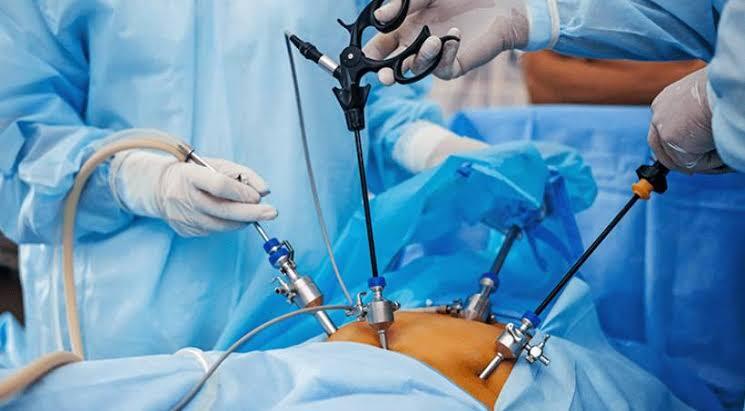
What is Laparoscopic GI Surgery?
A camera through a small port shows the inside of the abdomen on a screen, and the surgeon operates with slim instruments through further ports. The abdomen is gently inflated with gas to create working space. Because the muscles are not cut, pain is less and most patients are up and walking the same day.
Our surgical gastroenterology team at Adajan performs the full range of laparoscopic operations, from cholecystectomy and hernia repair to colorectal, liver and pancreatic surgery, converting to open surgery only where that is safer.
At Gujarat Gastro & Vascular Hospital, most operations are laparoscopic or robotic. Surgery is never the first step: it is decided with you after the diagnosis is made, often by the medical gastroenterology team on the same campus, and the approach - keyhole, robotic or open - is chosen for your operation and your anatomy.
When is Keyhole Surgery Recommended?
Keyhole surgery is the usual approach for:
- Gallbladder removal for gallstones or cholecystitis See: gallstones · gallbladder inflammation
- Hernia repair - inguinal, umbilical and incisional See: hernia
- Appendicectomy See: appendicitis
- Surgery for colon and rectal conditions, including cancer See: colon and rectal conditions · cancers of the digestive system
- Anti-reflux surgery and surgery for achalasia See: acidity and reflux (GERD) · difficulty swallowing
- Selected liver, pancreatic and stomach operations, and bariatric surgery See: bariatric (weight-loss) surgery
For most of these operations keyhole surgery is the standard approach. Severe scarring from previous surgery or very severe inflammation can make open surgery safer; your surgeon explains the choice.
Your Keyhole Surgery Stay: Step by Step
Keyhole surgery is a planned operation with a short stay for gallbladder, hernia and appendix surgery and a longer one for bowel operations. This is the usual path from decision to going home.
- Assessment and decision
The diagnosis is confirmed first. Your surgeon explains why the operation is needed, why the keyhole approach is recommended and what the alternatives are, and you decide together.
- Pre-operative tests and anaesthetic check
Pre-operative assessment: blood tests, ECG, and an anaesthetic review, plus specific tests for your condition. You receive written instructions on fasting and on medicines such as blood thinners and diabetes tablets.
- Admission
Admission at the main hospital in Adajan, fasting from the night before.
- The operation
Under general anaesthesia, small incisions - typically three to four, each about one centimetre - are made, gas is introduced and the camera inserted, and the operation is performed with the instruments while the team watches the screen (described in the next section).
- Hospital stay and going home
You are walking a few hours after surgery. Most patients go home within one to two days for gallbladder, hernia or appendix surgery; longer for bowel operations. Follow-up is at Adajan or at the OPD nearest you.
What Happens During Laparoscopic Surgery
General anaesthesia is given
Small incisions - typically three to four, each about one centimetre - are made
Gas is introduced to create space and the camera inserted
The operation is performed with the instruments while the team watches the screen
The specimen, if any, is removed through one of the small incisions, sometimes slightly enlarged
Incisions are closed with dissolving stitches or glue
What you will feel - and what you won't. The operation is done under general anaesthesia, so you are asleep and feel nothing. Afterwards you will have some soreness at the small wounds and, quite often, an ache at the tip of the shoulder caused by the gas; both are eased with pain relief and settle over a day or two. Because the muscles are not cut, pain is less than after open surgery and most patients are up and walking the same day.
How to Prepare for Keyhole Surgery
- Tests before the operation. Pre-operative assessment: blood tests, ECG, and an anaesthetic review, plus specific tests for your condition.
- Fasting and medicines. Fasting from the night before as instructed. Medicine adjustments, particularly blood thinners and diabetes tablets.
- Smoking. Stopping smoking before surgery improves healing.
These are general points. The written instructions you receive from the hospital for your own procedure take priority - see also Patient Information.
After Keyhole Surgery: Recovery & Going Home
The first day. Walking a few hours after surgery. Shoulder-tip pain from the gas is common for a day or two and settles.
Going home. Most patients go home within one to two days for gallbladder, hernia or appendix surgery; longer for bowel operations. The wounds are closed with dissolving stitches or glue, so there are usually no stitches to remove.
Getting back to normal. Return to desk work within about a week; heavy lifting after several weeks as advised.
When to call us. Report fever, increasing pain, vomiting, or redness and discharge at the wounds.
Is Laparoscopic Surgery Safe?
All surgery carries risks of bleeding, infection, injury to nearby organs, blood clots and anaesthetic complications; the specific risks of your operation are explained before consent.
Conversion to open surgery is occasionally necessary for safety.
Wound hernias at port sites are uncommon.
Contact the hospital if you develop fever, increasing abdominal pain, redness or discharge at a wound, or vomiting after you go home.
After a procedure, contact the hospital at once for severe pain, fever, vomiting, bleeding or breathlessness: Emergency 24×7: 90333 62020
Alternatives to Laparoscopic Surgery
Open surgery through a larger incision, still the right choice in some situations.
Robotic surgery for suitable operations.
Non-surgical treatment where the condition allows.
Why Choose Gujarat Hospital for Laparoscopic GI Surgery
Keyhole surgery is safest when the team does the full range of operations and can deal with whatever is found. At Gujarat Gastro & Vascular Hospital, Adajan, Surat:
- The full range of laparoscopic GI operations at one hospital. From cholecystectomy, hernia repair and appendicectomy to colorectal, liver, pancreatic, oesophageal and gastric surgery - performed by our consultant surgical gastroenterologists, a GI and foregut surgeon, a colon and ano-rectal surgeon and a GI and bariatric surgeon.
- Robotic surgery available for suitable operations. The robotic surgery system is used where it adds precision; conventional laparoscopic surgery is equally effective for many operations, and open surgery is used where that is safer.
- Diagnosis and surgery on the same campus. The medical gastroenterology team, the endoscopy suite and the on-site laboratory are here, so the tests that decide the operation and the operation itself are planned together.
- 24x7 emergency care for urgent cases. Appendicitis, cholecystitis and some obstructions are treated laparoscopically as emergencies, with the surgical team on call round the clock.
Frequently Asked Questions about Keyhole Surgery
Why is keyhole surgery better?
Smaller wounds mean less pain, fewer wound problems, a shorter stay and faster return to normal life. The operation inside is the same as in open surgery.
Why do I have shoulder pain after keyhole surgery?
The gas used to create working space in the abdomen can irritate the diaphragm, and that irritation is felt at the tip of the shoulder. It is common for a day or two and settles on its own. Walking and the pain relief you are given help; it is not a sign that anything is wrong.
Is it suitable for everyone?
Most patients, but severe scarring from previous surgery, very severe inflammation or certain medical conditions can make open surgery safer. Your surgeon will explain the choice.
What happens if the surgeon has to convert to open surgery?
Occasionally the surgeon decides during the operation that a larger incision is safer - for example because of dense scarring, severe inflammation or bleeding. This is done under the same anaesthetic and is a safety decision, not a failure. Recovery then follows the pattern of open surgery, with a longer stay and a slower return to activity, and your surgeon explains what was found.
Will I have scars?
Small ones, usually fading well over months.
When can I drive after keyhole surgery?
Once you are no longer taking strong painkillers and can twist and brake without pain, which is often about a week after gallbladder, hernia or appendix surgery and longer after bowel operations. You should not drive on the day of discharge because of the anaesthetic. Your surgeon will confirm the timing for you.
Will my stitches need to be removed?
Usually not. The small incisions are closed with dissolving stitches or glue, which do not need removing. Keep the wounds clean and dry as instructed, and report redness, discharge or increasing pain at any wound site.
Is keyhole surgery suitable for elderly patients or those with diabetes?
Often it is preferred, because smaller wounds mean less pain, earlier walking and fewer chest and wound problems. Age itself is not a barrier; the anaesthetic assessment looks at the heart, lungs and kidneys to decide fitness for surgery. Diabetes medicines are adjusted around the operation, and good blood-sugar control before and after surgery helps the wounds heal.
The information on this page is for general patient education and does not replace individual medical advice, diagnosis or treatment. Medical Disclaimer