
SpyGlass Cholangioscopy in Surat What to Expect
SpyGlass cholangioscopy passes a miniature camera through the ERCP scope directly into the bile duct, so that the doctor can see stones and strictures, break up large stones under direct vision, and take targeted biopsies.
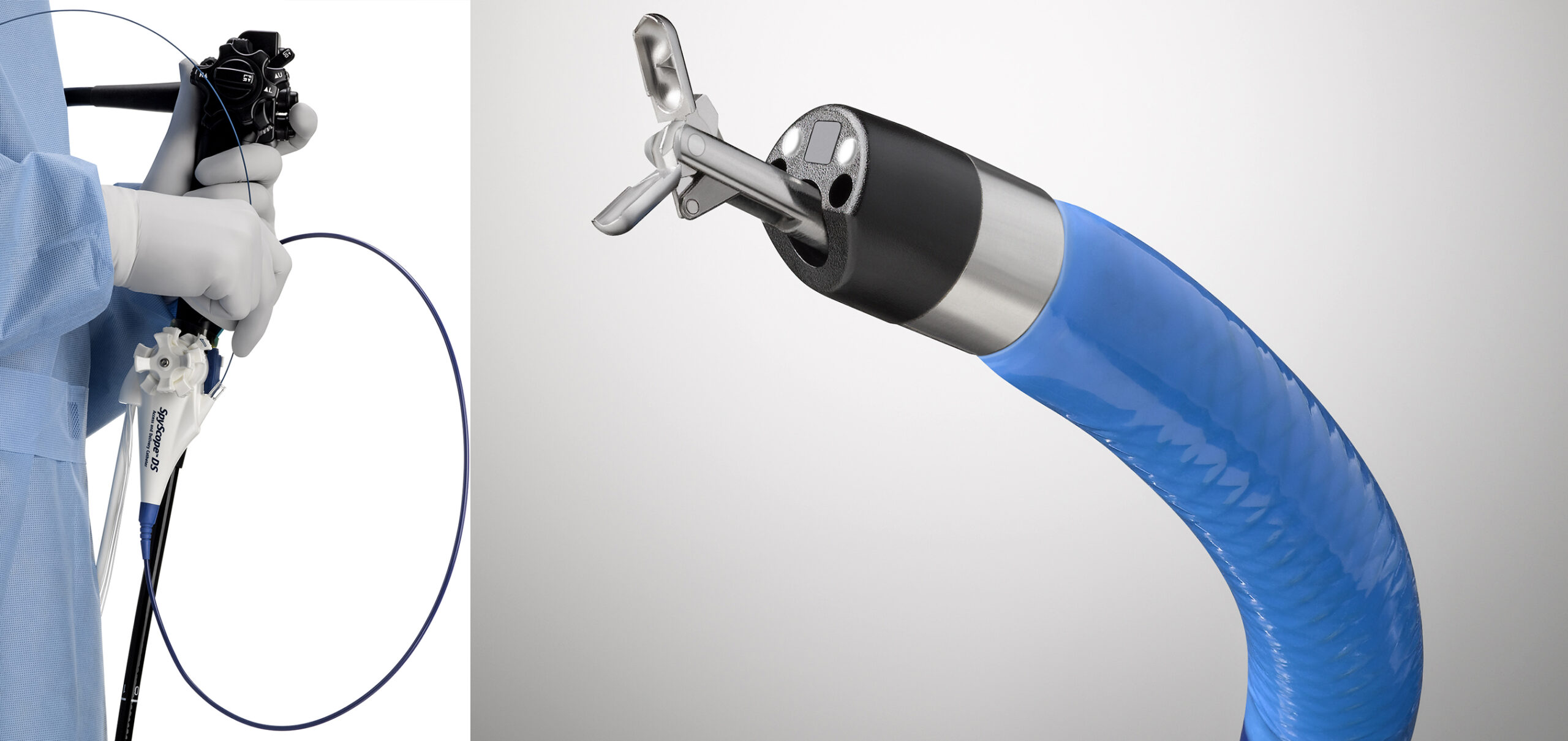
What is SpyGlass Cholangioscopy?
Standard ERCP works with X-ray shadows. SpyGlass adds a direct video view inside the duct. That makes it possible to treat stones that are too large or too hard for balloons and baskets - by fragmenting them with laser or electrohydraulic energy while watching - and to inspect and biopsy narrowings accurately, which matters when a stricture could be a cancer.
It is performed during ERCP by our medical gastroenterologist, under sedation or anaesthesia, in the endoscopy suite at Adajan.
When is SpyGlass Used?
Your doctor may recommend it for:
- Large or impacted bile duct stones that could not be removed by standard ERCP See: bile duct stones and blockage
- Strictures of the bile duct of uncertain cause, for direct inspection and biopsy See: obstructive jaundice · gallbladder and bile duct cancers
- Assessment of the duct before or after surgery
- Selected pancreatic duct stones and strictures
SpyGlass is used when standard ERCP is not enough - most bile duct stones are still cleared with a balloon or basket.
Your SpyGlass Visit: Step by Step
SpyGlass is done as part of an ERCP, so the visit is the same: a procedure under sedation or anaesthesia, then observation for several hours, often overnight.
- Before the day
Blood tests for clotting; blood thinners stopped as advised. Allergies to contrast dye must be reported.
- Arrival and check-in
Check-in at the main hospital in Adajan.
- Anaesthesia
Sedation or anaesthesia is given, and your pulse, oxygen and blood pressure are monitored throughout.
- The procedure
ERCP with the SpyGlass camera passed into the duct (described in the next section).
- Observation and going home
As for ERCP: observation for several hours or overnight. Biopsy results take a few days; any temporary stent needs a planned removal.
What Happens During SpyGlass Cholangioscopy
Performed as part of an ERCP under sedation or anaesthesia
The SpyGlass probe is passed through the ERCP scope into the bile duct
The duct is inspected on the screen
Stones are fragmented with a laser or electrohydraulic fibre under direct vision and the fragments removed
Suspicious areas are biopsied with tiny forceps
A stent may be placed at the end
What you will feel - and what you won't. Nothing during the procedure - it is done under the same sedation or anaesthesia as the ERCP it is part of, and it adds no discomfort of its own. Afterwards, mild abdominal discomfort and a sore throat are common for a day. There is no cut on the skin.
How to Prepare for SpyGlass
- Blood tests and blood thinners. Blood tests for clotting; blood thinners stopped as advised.
- Allergies. Allergies to contrast dye must be reported.
- Plan for a stay. Observation for several hours, often overnight, is usual - bring what you need and someone to take you home.
These are general points. The written instructions you receive from the hospital for your own procedure take priority - see also Patient Information.
After SpyGlass: Recovery & Results
The first hours. As for ERCP: observation for several hours or overnight. Mild abdominal discomfort and sore throat are common.
Warning signs. Severe pain, fever or vomiting must be reported immediately.
Results and stents. Biopsy results take a few days. Any temporary stent needs a planned removal - you are given the date before you leave.
Is SpyGlass Cholangioscopy Safe?
The risks are those of ERCP - pancreatitis, bleeding, infection and, rarely, perforation - with a small additional risk of infection of the duct because of the fluid used, reduced by antibiotics.
Contact the hospital immediately if you develop severe abdominal pain, fever, vomiting or black stools after the procedure.
After a procedure, contact the hospital at once for severe pain, fever, vomiting, bleeding or breathlessness: Emergency 24×7: 90333 62020
Alternatives to SpyGlass
Standard ERCP with balloon or basket extraction for ordinary stones.
Surgery to open the duct and remove stones when endoscopic methods fail.
Extracorporeal shock-wave lithotripsy for some stones.
Why Choose Gujarat Hospital for SpyGlass Cholangioscopy
SpyGlass is the tool for the stones and strictures that ordinary ERCP cannot settle, and having it in the same unit changes what can be done in one session. At Gujarat Gastro & Vascular Hospital, Adajan, Surat:
- SpyGlass available during your ERCP, not as a separate referral. If a stone proves too large or hard, or a stricture needs a direct look, the camera goes in during the same procedure by the same consultant medical gastroenterologist.
- Large stones broken up under direct vision. Laser or electrohydraulic fragmentation while watching, with the fragments removed - often clearing in one session what balloons and baskets could not.
- Biopsies taken from exactly the right spot. When a narrowing could be a cancer, a targeted sample from what the doctor sees gives a more reliable answer - and our surgical gastroenterology team is on the same campus if surgery is then needed.
- ERCP, EUS and SpyGlass in one unit, with the ICU on site. The whole range of bile duct and pancreatic duct treatment is here, under sedation or anaesthesia with full monitoring and observation afterwards.
Frequently Asked Questions about SpyGlass
Why could the stone not be removed at my first ERCP?
Very large or hard stones can resist balloons and baskets. SpyGlass allows the stone to be broken up under direct vision and then cleared.
Will I be awake?
No. SpyGlass is done within the ERCP, under the same sedation or anaesthesia, so you feel nothing and most patients remember none of it. You are monitored throughout.
Is a biopsy from SpyGlass more reliable?
Yes. Because the doctor sees the abnormal area, the sample is taken from exactly the right place, improving the accuracy of diagnosis for strictures.
Do I need to stay in hospital?
Yes, as for ERCP - observation for several hours, often overnight, so that the specific risks of ERCP are caught early. Most patients have no problem and go home the next day.
Is it more uncomfortable than ERCP?
No. It is done within the same procedure, under the same sedation.
Can all my bile duct stones be cleared in one SpyGlass session?
Often yes, but very large or multiple stones sometimes need two sessions, and a temporary stent is placed in between to keep bile draining. If the duct still contains fragments, they are usually cleared at the second procedure. After the duct is clear, removing the gallbladder is discussed to prevent new stones forming.
Is SpyGlass used for the pancreatic duct as well?
In selected cases, yes. Stones or strictures of the pancreatic duct can be inspected and treated in the same way during ERCP. Your doctor decides from your scans whether it is likely to help in your case.
What happens if the SpyGlass biopsy of my stricture shows no cancer?
A clear biopsy is reassuring but not always final, because some cancers of the bile duct are hard to sample. The doctor weighs the biopsy against the appearance of the stricture, the scans and blood tests. Benign strictures are treated with stents or surgery as appropriate, and if doubt remains a repeat cholangioscopy or surgical assessment may be advised rather than simply waiting.
The information on this page is for general patient education and does not replace individual medical advice, diagnosis or treatment. Medical Disclaimer