
Blocked Leg Arteries in Surat What to Expect
Peripheral arterial disease is narrowing of the arteries that supply the legs, usually by cholesterol deposits. It causes cramping pain on walking and, when severe, pain at rest, non-healing wounds and risk to the limb. Treatment ranges from walking programmes and medicines to angioplasty and bypass.
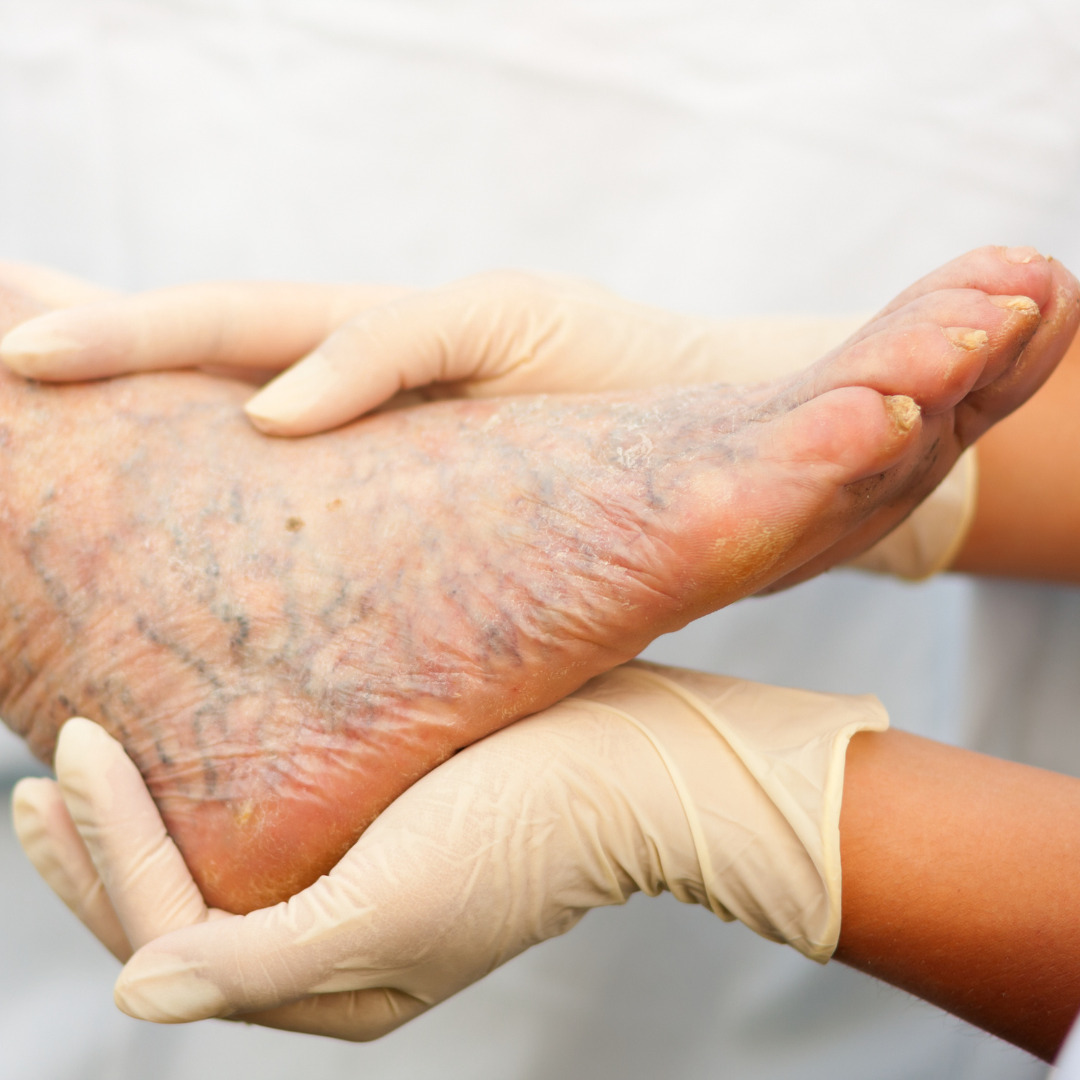
What Are Blocked Leg Arteries (Peripheral Arterial Disease)?
The same process that causes heart attacks - atherosclerosis - narrows the leg arteries. Early on, the muscles get enough blood at rest but not on exertion, producing intermittent claudication: pain in the calf, thigh or buttock after a predictable distance, relieved by rest. As disease progresses, blood flow becomes insufficient even at rest (critical limb ischaemia), with night pain, ulcers and gangrene.
People with peripheral arterial disease also have a high risk of heart attack and stroke, so treatment always includes control of risk factors. Restoring blood flow - by angioplasty and stenting in the Cathlab or by bypass surgery, sometimes combined in our Hybrid Operation Theatre - is used for disabling claudication and is essential for critical ischaemia.
Being told your leg arteries are blocked can sound alarming, but for most people it does not mean an operation. The usual aim is to protect the arteries from getting worse and to help you walk further, with medicines, regular walking and stopping smoking.
When pain still limits your day, or the foot is short of blood, there are several ways to restore flow. Angioplasty opens a narrowing through a small puncture, bypass routes blood around a long blockage, and sometimes both are combined. The choice depends on where the blockages are, how long they are, and your general health.
Signs That Your Leg Arteries Are Narrowed
Narrowed leg arteries can show up in other ways too. You may also notice:
- Cramping pain in the calf, thigh or buttock on walking, relieved by rest
- Pain in the foot at night, eased by hanging the leg down
- Cold, pale or bluish foot; hair loss and shiny skin on the leg
- Slow-healing wounds or ulcers on the toes or foot
- Weak or absent pulses in the foot
- Black discolouration (gangrene) in advanced disease
- Legs that tire quickly or feel heavy when you walk
- Toenails that grow slowly, and a foot that looks redder when it hangs down
- One foot that feels colder than the other
Symptoms vary from person to person. Having one or more of these does not confirm the condition - it means it is worth being checked.
When Is a Blocked Leg Artery an Emergency?
Do not wait for an online appointment if you have any of the following. Call the hospital or go to the nearest emergency department.
- Sudden onset of a cold, pale, painful, numb or weak leg - acute arterial blockage is an emergency
- A foot wound with spreading infection or black discolouration
- Rest pain that is worsening
How We Find and Map the Blockage
At your initial visit the vascular surgeon asks how far you can walk, about pain at rest and any wounds, and checks the pulses in your legs and feet. Simple tests confirm the diagnosis. Detailed imaging is added when a procedure is being considered, so that the right treatment can be chosen.
What Narrows the Leg Arteries?
- Smoking - the strongest risk factor
- Diabetes
- High blood pressure and high cholesterol
- Increasing age, family history
- Kidney disease
Blocked leg arteries are usually caused by atherosclerosis, the same build-up of plaque that affects the heart. Smoking and diabetes are the strongest risks, and they often combine with high blood pressure and cholesterol. Less often, a narrowing is caused by an old injury or inflammation of the artery wall, which your surgeon will look for.
Investigations
- Examination and ankle-brachial index
- Pulse examination and a comparison of blood pressure at the ankle and arm.What to expect: You lie flat while blood-pressure cuffs are placed on your arms and ankles and a small probe listens to the pulse. It is painless and takes a short time.
- Duplex ultrasound
- Shows where the arteries are narrowed or blocked and how severely.What to expect: A painless scan with gel and a probe moved along your leg. It is done by the vascular team at the hospital, and you may be asked to turn so the whole length of the artery can be seen.
- CT angiography or catheter angiography
- Detailed maps of the arteries for planning treatment; catheter angiography can proceed directly to treatment.What to expect: For a CT angiogram you lie still in a scanner while dye is given through a drip. Catheter angiography is done through a small puncture under local anaesthetic, and a narrowing can sometimes be treated in the same sitting.
- Assessment of the heart and other risk factors
- Because arterial disease elsewhere is common.What to expect: Blood tests, blood pressure and questions about chest pain or breathlessness. Your doctor may advise a heart check-up with your physician or a cardiologist.
Treatment Choices for Blocked Leg Arteries
The usual path
- Protect the arteries.
Stopping smoking, antiplatelet and cholesterol-lowering medicines, and control of sugar and blood pressure are advised for everyone.
- Walk regularly.
A walking programme helps you walk further before pain starts, and is often enough on its own for pain on walking.
- Open the narrowing.
If pain still limits your life or the foot is at risk, angioplasty with or without a stent is done through a small puncture.
- Bypass when needed.
For long blockages, bypass surgery routes blood around the block, sometimes combined with angioplasty in the Hybrid Operation Theatre.
- Risk-factor control
- Stopping smoking, antiplatelet and cholesterol-lowering medicines, control of diabetes and blood pressure - for every patient.
- Supervised walking
- A structured exercise programme improves walking distance in claudication.
- Angioplasty and stenting
- A balloon opens the narrowing through a small puncture, often with a stent; performed in our Cathlab, usually with a one-night stay.
- Bypass surgery
- A graft routes blood around a long blockage when angioplasty is not suitable.
- Hybrid procedures
- Surgery and endovascular treatment combined in one sitting in our Hybrid Operation Theatre for complex disease.
- Wound care and, where unavoidable, amputation
- With every effort to restore flow first and to keep any amputation as limited as possible.
The right treatment depends on the cause, how severe it is and your overall health. Your doctor will discuss the options with you before anything is decided.
Frequently Asked Questions about Blocked Leg Arteries
Is leg pain on walking just age?
Pain that comes on after a predictable distance and stops with rest is the typical sign of blocked arteries and should be assessed - it is also a warning about heart and brain arteries.
Do I have to have surgery?
Most people with claudication do well with medicines, walking and stopping smoking. Procedures are for disabling symptoms or when the limb is threatened.
What is a hybrid procedure?
Endovascular treatment (angioplasty) and open surgery done together in a single operating room that has imaging built in.
How far should I walk if walking is what causes the pain?
Walking is treatment, not something to avoid. Walk until the pain is moderately strong, rest until it goes, then continue, aiming for about half an hour most days. Over weeks the distance you can manage before pain starts increases. A supervised programme gets the best results, and your doctor will confirm it is safe to begin.
Why is foot care so important with blocked leg arteries?
Because a poorly supplied foot heals slowly, a small cut, blister or cracked heel can turn into an ulcer or infection, particularly in diabetes. Check both feet daily, keep them clean and moisturised, wear well-fitting footwear, never walk barefoot and do not treat corns or hard skin yourself. Report any wound, colour change or new pain promptly.
Which doctor should I see for blocked leg arteries?
A vascular surgeon, who can assess the arteries and offer medicines, angioplasty or bypass as needed. You can book at our Adajan hospital or at the OPD nearest you; scans and procedures are done at Adajan.
Am I awake during angioplasty?
Usually yes. Angioplasty is normally done through a small puncture, often in the groin, under local anaesthetic, and you may feel some pressure. Bypass surgery needs a general or spinal anaesthetic. Your surgeon will explain which applies to you.
Will I need medicines after angioplasty or bypass?
Yes. Antiplatelet and cholesterol-lowering medicines are usually continued long-term to help keep the treated artery open and to protect the heart and brain. Do not stop them without speaking to your surgeon, even if your leg feels better.
Why Choose Gujarat Hospital for Blocked Leg Arteries
How we look after blocked leg arteries at our main hospital in Adajan, Surat:
- Every treatment choice with one surgeon. Dr. Ankur Patel performs peripheral angiography, angioplasty with stenting and bypass surgery of leg vessels, so the choice is made on your arteries, not on who is available.
- A Hybrid Operation Theatre & Cathlab. The team can image the arteries and operate in the same room, in the same sitting, so angioplasty and bypass can be combined where one alone is not enough.
- Procedures when they will help. Many people improve with medicines, walking and stopping smoking; angioplasty or bypass is advised for pain that limits daily life or a foot that is at risk.
- Duplex ultrasound by the vascular team, done at the hospital to show where the arteries are narrowed before any procedure is planned.
The information on this page is for general patient education and does not replace individual medical advice, diagnosis or treatment. Medical Disclaimer