
Diabetic Foot in Surat What to Expect
Diabetes can damage the nerves and the arteries of the feet, so that injuries go unnoticed and heal poorly. A diabetic foot ulcer or infection needs prompt specialist care - restoring blood supply, controlling infection and protecting the foot - to avoid amputation.
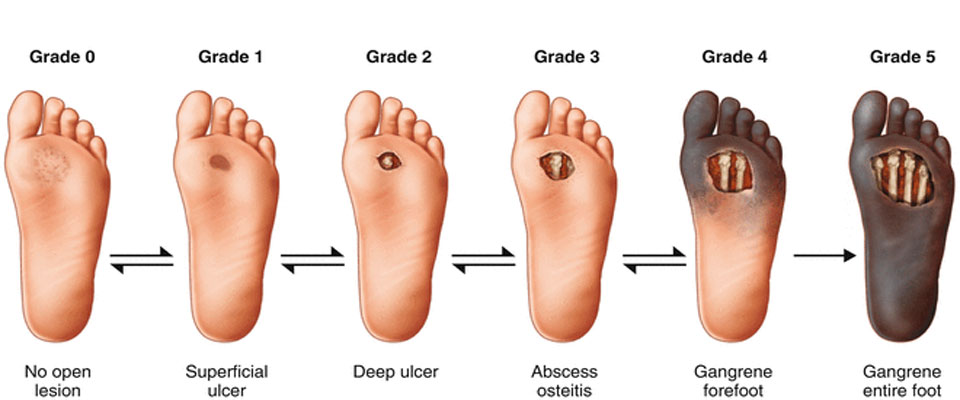
What Is a Diabetic Foot?
Nerve damage (neuropathy) removes the pain that would normally warn of a blister or cut; poor circulation (peripheral arterial disease) starves the wound of the blood it needs to heal. Together they mean a small wound can deepen and become infected quickly. Most amputations in diabetes begin with an ulcer that could have been treated earlier.
Our vascular and endovascular surgeon assesses the blood supply, restores it where it is blocked - by angioplasty or bypass - and treats infection and the wound in coordination with diabetes care. Prevention, foot inspection and the right footwear are part of every consultation.
If you have diabetes, your feet need daily attention, even when they feel fine. Numbness can hide a blister or cut, and poor circulation slows healing, so a small injury can become a serious wound before you notice it.
The good news is that many foot problems in diabetes can be prevented, and most wounds heal when they are treated early. Care at the hospital focuses on checking the blood supply, controlling infection and protecting the wound, while you and your family learn how to look after the feet at home.
Signs of a Diabetic Foot Problem
Small changes in the feet can be early warning signs. You may also notice:
- A wound, blister or ulcer on the foot, often painless
- Redness, warmth, swelling or discharge around a wound
- Numbness, tingling or burning in the feet
- Cold, pale or discoloured toes; pain in the calf on walking or in the foot at night
- Thickened nails, dry cracked skin, deformity of the foot
- Fever with a foot wound - a sign of spreading infection
- Hard skin or callus that keeps coming back in the same place
- Socks that are stained by blood or fluid when you take them off
- A change in the shape of the foot, or one foot that feels warmer than the other
Symptoms vary from person to person. Having one or more of these does not confirm the condition - it means it is worth being checked.
When Is a Diabetic Foot Wound an Emergency?
Do not wait for an online appointment if you have any of the following. Call the hospital or go to the nearest emergency department.
- Foot wound with fever, spreading redness or foul discharge
- A cold, pale, painful or numb foot - possible acute arterial blockage
- Black discolouration of a toe or part of the foot
- Rapidly enlarging ulcer
How We Assess a Diabetic Foot
At your visit the doctor looks closely at both feet, tests feeling and pulses, and examines any wound. Tests then show whether the blood supply is enough for healing and whether infection has spread deeper, so that the right treatment can be planned.
Why Does Diabetes Put the Feet at Risk?
- Nerve damage from long-standing or poorly controlled diabetes
- Narrowed or blocked leg arteries
- Pressure from footwear or deformity
- Minor injury that goes unnoticed
- Smoking, kidney disease and high cholesterol worsen the risk
Diabetes harms the feet in two ways: it damages the nerves, so you may not feel an injury, and it narrows the arteries, so wounds heal slowly. Pressure from tight shoes, walking barefoot and high blood sugar make injuries and infection more likely. Good sugar control and daily foot checks lower the risk considerably.
Investigations
- Examination of the foot
- Sensation testing, pulses, wound assessment and probing for depth.What to expect: You take off your shoes and socks and the doctor looks at the skin, nails and shape of the foot. Feeling is tested with a thin nylon thread or a tuning fork, and a wound may be gently probed. Bring the shoes you wear most.
- Doppler and ankle-brachial index
- Bedside measurement of blood flow to the foot.What to expect: Blood-pressure cuffs are placed on your arms and ankles and a small probe listens to the pulse. It is painless and done at the bedside.
- Duplex ultrasound and CT or catheter angiography
- Map the arteries when the supply is reduced, to plan how to restore it.What to expect: Duplex is a painless scan with gel and a probe, done by the vascular team at the hospital. If angiography is needed, dye is used, so your kidney function is checked beforehand.
- X-ray or MRI
- To check whether infection has reached the bone.What to expect: An X-ray takes a few moments. An MRI means lying still in a noisy scanner for longer; tell the team about any metal implants or a pacemaker.
- Blood tests and wound cultures
- Sugar control, kidney function, infection markers and the responsible bacteria.What to expect: A routine blood sample, and a swab or small tissue sample from the wound. The results guide the choice of antibiotic.
Treatment Options for Diabetic Foot Problems
The usual path
- Control sugar and infection.
Antibiotics are started when there is infection, and diabetes medicines are adjusted with your physician.
- Check the blood supply.
Tests show whether narrowed arteries are slowing healing.
- Restore blood flow if needed.
Angioplasty or bypass is done when the arteries are blocked, so the wound can heal.
- Treat the wound and protect the foot.
Dead or infected tissue is removed, the wound is dressed and offloaded, and you learn daily foot care to prevent new problems.
- Restoring blood supply
- Angioplasty and stenting through a small puncture, or bypass surgery, performed in our Hybrid Operation Theatre and Cathlab.
- Infection control
- Antibiotics guided by cultures, and surgical removal of dead or infected tissue.
- Wound care and offloading
- Dressings, and special footwear or casts that take pressure off the wound so it can heal.
- Diabetes and risk-factor control
- Blood sugar, blood pressure, cholesterol and stopping smoking, coordinated with your physician.
- Prevention
- Daily foot inspection, correct footwear, regular podiatry care, and early review of any wound.
- Limited surgery where necessary
- Removal of a toe or part of the foot when tissue cannot be saved - always with the aim of preserving as much of the foot and function as possible.
The right treatment depends on the cause, how severe it is and your overall health. Your doctor will discuss the options with you before anything is decided.
Frequently Asked Questions about Diabetic Foot
My foot ulcer does not hurt - is it serious?
Yes. Lack of pain is a sign of nerve damage, not of a minor wound. Painless ulcers are exactly the ones that progress unnoticed.
Can the blood supply really be restored?
Often, yes. Endovascular techniques can open long blockages in the leg arteries, and bypass surgery remains an option. Restoring flow is what allows the wound to heal.
How do I prevent problems?
Check your feet every day, never walk barefoot, wear well-fitting shoes, keep sugars controlled, stop smoking, and see us early for any wound, colour change or new pain.
How should I care for my feet at home while a diabetic foot ulcer is healing?
Keep the dressing clean and dry, change it as instructed, and wear the offloading shoe or cast every time you stand - even for a few steps at home. Do not soak the foot, apply home remedies or cut hard skin yourself, and keep blood sugar as steady as you can. Look at the wound and the surrounding skin daily and come back early if it looks larger, redder, wetter or smells.
Will the ulcer come back after it has healed?
It can, because the nerve damage that allowed the first ulcer remains. Recurrence is much less likely with lifelong precautions: daily foot checks, properly fitted footwear or insoles, regular podiatry to remove callus, good sugar control and no smoking. Any new blister, cut or colour change should be seen promptly rather than watched.
What kind of footwear should I wear?
Soft, closed shoes with enough room for the toes, a cushioned sole and no rough seams inside. Check inside each shoe for stones before putting it on, and wear clean cotton socks. If you have had an ulcer or your foot has changed shape, your doctor may advise special footwear.
Can I cut my own toenails?
Cut them straight across after bathing, and do not dig into the corners. If you have numb feet, poor eyesight or cannot reach your feet easily, ask a family member to help. Never cut corns or hard skin yourself or use corn plasters.
Does high blood sugar slow healing?
Yes. High sugar weakens the body's defence against infection and slows wound healing. Your physician may adjust your diabetes medicines, sometimes starting insulin for a time, while the foot heals. Check your sugar as advised and bring your readings to each visit.
Why Choose Gujarat Hospital for Diabetic Foot
How we look after diabetic foot problems at our main hospital in Adajan, Surat:
- A vascular surgeon who does diabetic foot surgery. Dr. Ankur Patel checks the blood supply, treats infection and performs diabetic foot surgery, angioplasty and bypass.
- Circulation, infection and the wound treated together. Restoring blood flow and caring for the wound are planned together, because a wound cannot heal without both.
- Blood flow restored in the Hybrid Operation Theatre & Cathlab, where angioplasty and bypass can be combined in the same sitting.
- Saving as much of the foot as possible. When some tissue cannot be saved, the surgeon aims to keep as much of the foot as possible and advises on protecting it afterwards.
The information on this page is for general patient education and does not replace individual medical advice, diagnosis or treatment. Medical Disclaimer