
Weight-Loss Surgery in Surat Who It Can Help
Bariatric surgery helps people with severe obesity lose substantial weight and improve diabetes, blood pressure and joint problems when diet and medicines have not worked. It is major surgery with lifelong follow-up, and suitability is assessed carefully.
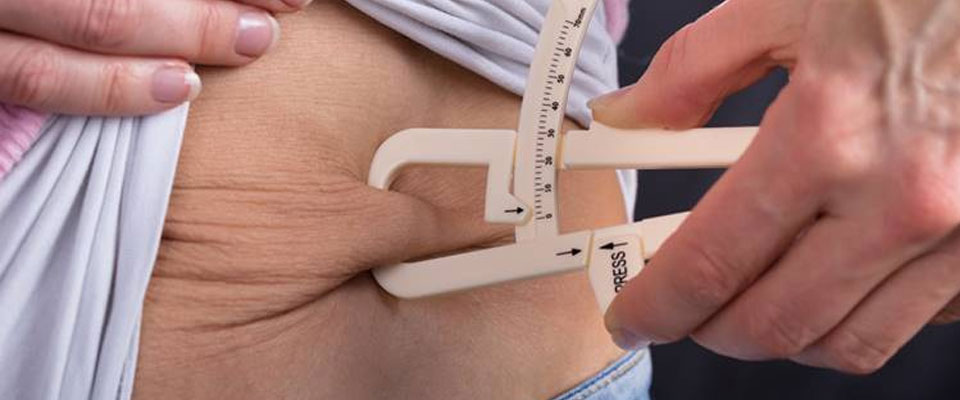
What Is Bariatric Surgery?
Obesity is a medical condition, not a failure of willpower. When body mass index is high and weight-related illnesses are present, operations that reduce the stomach's size or alter how food is absorbed produce weight loss that diet alone rarely achieves, with improvement or remission of type 2 diabetes in many patients.
The commonest operations are sleeve gastrectomy and gastric bypass, done laparoscopically or robotically. An endoscopic alternative, endoscopic sleeve gastroplasty (ESG), reduces the stomach from the inside without incisions and suits some patients with lower BMI. Assessment includes medical, dietary and psychological review, and success depends on commitment to follow-up and lifestyle change. See Dr. Gabani's video on weight-loss injections for how medicines fit in.
Many people considering weight-loss surgery have tried diets, exercise and medicines for years. Needing more help is not a personal failure - obesity is driven by biology as much as by habits, and surgery works partly by changing the hormones that control hunger.
The decision is never rushed. You meet the surgeon, have a full health check and learn what life after surgery involves. Some people decide on surgery, some on ESG or medicines, and some choose to wait; each option is explained honestly.
Who Should Consider Weight-loss Surgery?
Weight-related health problems can build up gradually. Signs that surgery may be worth discussing include:
- Body mass index in the range where surgery is considered, particularly with diabetes, high blood pressure, sleep apnoea, fatty liver or joint disease
- Weight that has not responded to supervised diet, exercise and medicines
- Difficulty with mobility, breathing or daily activities because of weight
- Loud snoring or daytime sleepiness that may point to sleep apnoea
- Diabetes or blood pressure needing more medicines over time
- Knee, hip or back pain made worse by weight
Symptoms vary from person to person. Having one or more of these does not confirm the condition - it means it is worth being checked.
When Should You Contact Us Urgently after Bariatric Surgery?
Do not wait for an online appointment if you have any of the following. Call the hospital or go to the nearest emergency department.
- After surgery: persistent vomiting, severe abdominal pain, fever, rapid heartbeat or breathlessness - contact the hospital at once
How We Assess You for Weight-loss Surgery
At your consultation the surgeon asks about your weight history, past attempts to lose weight, health conditions and medicines, and examines you. A set of tests and reviews follows to check that surgery is safe and suitable for you.
What Causes Obesity?
- Genetic and hormonal factors
- Diet and inactivity
- Medicines and medical conditions that promote weight gain
- Sleep disturbance and psychological factors
Obesity usually comes from several factors together - genes, hormones, sleep, stress, medicines and the food environment - rather than overeating alone. This is why lasting weight loss is hard with diet alone for many people, and why treatment that changes appetite, such as surgery, can help.
Investigations
- Medical assessment
- Blood tests, assessment of diabetes, heart and lung fitness, sleep apnoea screening and upper GI endoscopy.What to expect: Routine blood tests, checks on your heart, lungs and diabetes, and an upper GI endoscopy under sedation to look at the stomach. You go home the same day after the endoscopy.
- Dietetic and psychological review
- To prepare for the changes in eating after surgery and to identify factors that affect success.What to expect: These are conversations rather than tests. You talk about your eating habits, daily routine and how you feel about food, and you learn what eating after surgery involves.
- BMI and comorbidity criteria
- Surgery is offered according to established criteria, discussed with you.What to expect: Your height and weight are measured and your health conditions reviewed. The doctor explains whether you meet the criteria and which options suit you.
Weight-loss Treatment Options
The usual path
- Lifestyle support and medicines.
Diet, activity and, for some people, injectable weight-loss medicines are discussed and tried where suitable.
- Full assessment.
Blood tests, fitness checks and an upper GI endoscopy confirm that a procedure is safe and suitable.
- Choosing the procedure.
ESG without incisions, or sleeve gastrectomy or gastric bypass by keyhole or robotic surgery, chosen with you.
- Lifelong follow-up.
Regular reviews, vitamin and mineral supplements and dietary guidance protect your health after surgery.
Medicines & lifestyle
- Medicines
- Newer injectable weight-loss medicines are an option for some patients before, instead of, or after surgery, prescribed and monitored by the doctor.
Endoscopic treatment
- Endoscopic sleeve gastroplasty (ESG)
- Stitching the stomach smaller from inside with an endoscope - no incisions, for suitable patients.
Surgery
- Sleeve gastrectomy
- Removal of a large part of the stomach, leaving a narrow tube; reduces hunger and portion size.
- Gastric bypass
- A small stomach pouch joined to the small intestine; strong effect on diabetes.
Other care
- Lifelong follow-up
- Vitamin and mineral supplements, dietary guidance and regular review are part of the treatment.
The right treatment depends on the cause, how severe it is and your overall health. Your doctor will discuss the options with you before anything is decided.
Frequently Asked Questions about Bariatric Surgery
Is bariatric surgery cosmetic?
No. It is treatment for a disease that causes diabetes, heart disease and early death. Weight loss is the means, not the aim.
Will I regain the weight?
Some regain is common, but most patients maintain substantial loss long-term, particularly with follow-up and lifestyle change.
Are there risks?
Yes, as with any major surgery - bleeding, leaks, clots and nutritional deficiencies. They are uncommon with careful selection and follow-up, and are explained fully before you decide.
Will I be able to stop my diabetes and blood pressure medicines after surgery?
Many patients need much less medicine within weeks of surgery, particularly after gastric bypass, and some are able to stop altogether. Doses are never reduced on your own - blood sugar and blood pressure are checked regularly after the operation and the doctor adjusts the prescriptions as they fall. Long-term, the result depends on maintaining the weight loss.
What tests are needed before I can be accepted for bariatric surgery?
Blood tests, an assessment of diabetes and heart and lung fitness, screening for sleep apnoea and an upper GI endoscopy to check the stomach are standard. A dietitian and a psychologist also review you to prepare you for eating after surgery and to identify anything that could affect success. Surgery is offered only once this assessment confirms that you meet the criteria.
How is the right procedure chosen for me?
It depends on your weight, your health conditions - especially diabetes and reflux - your eating pattern and your preference. Gastric bypass is often preferred when there is troublesome reflux, while ESG suits some people who want to avoid an operation. The surgeon goes through the options with you.
What will I eat after bariatric surgery?
Eating moves in stages, from liquids to soft foods and then to normal textures in small portions. Each meal is built around protein, and vitamin and mineral supplements are usually needed for life. You are given clear written guidance for each stage.
Can I have a baby after bariatric surgery?
Yes. Pregnancy is usually advised to wait until your weight has settled after surgery, so reliable contraception is important in the meantime. Tell your doctor if you are planning a pregnancy, as your supplements may need to change.
Why Choose Gujarat Hospital for Bariatric Surgery
How we plan and carry out weight-loss surgery at our main hospital in Adajan, Surat:
- A gastrointestinal and bariatric surgeon who assesses you, performs the operation and follows you up afterwards.
- Surgical and endoscopic options. Sleeve gastrectomy and gastric bypass by keyhole or robotic surgery, and endoscopic sleeve gastroplasty (ESG) without incisions for suitable patients.
- Careful assessment before any decision, including blood tests, fitness checks and an upper GI endoscopy in the hospital's endoscopy suite.
The information on this page is for general patient education and does not replace individual medical advice, diagnosis or treatment. Medical Disclaimer