
Appendicitis in Surat What to Expect
Appendicitis is inflammation of the appendix, a small pouch attached to the large bowel. It causes pain that settles in the lower right abdomen and is one of the commonest surgical emergencies. Treatment is usually keyhole removal of the appendix.
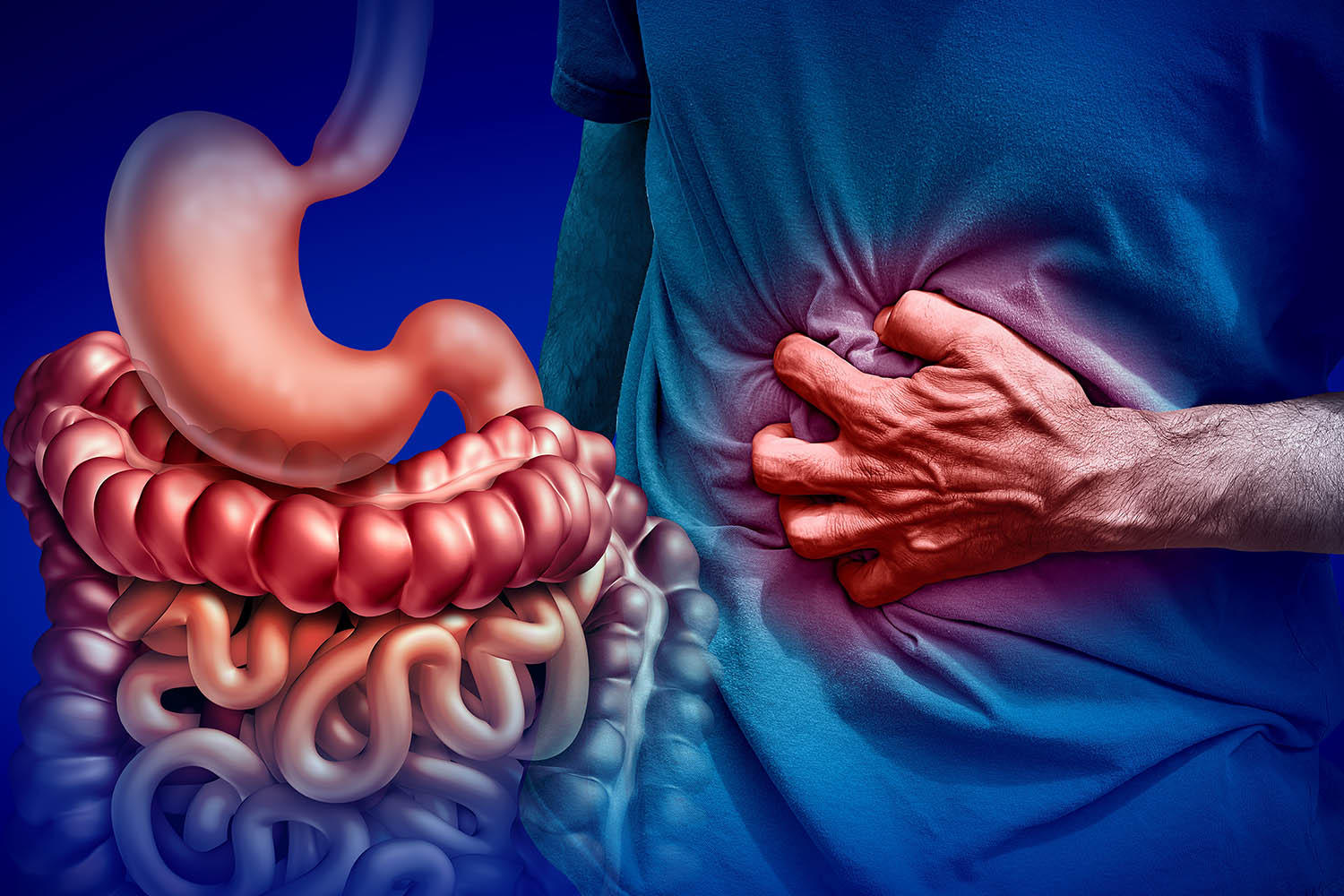
What Is Appendicitis?
The appendix becomes inflamed when its opening is blocked, and the inflammation can progress within a day or two to perforation and an abscess or peritonitis. The classic story is pain starting around the navel, moving to the lower right, with loss of appetite, nausea and mild fever. The picture can be less typical in children, older people and pregnancy.
Laparoscopic appendicectomy is the standard treatment: small incisions, a short stay and a quick recovery. Our team also performs it robotically in suitable patients. Antibiotics alone are sometimes used for uncomplicated cases, but surgery remains the definitive treatment.
Appendicitis can happen at any age, but it is most common in teenagers and young adults. It usually gets worse quickly, which is why pain that keeps getting worse in the lower right abdomen should be checked promptly rather than waited out at home.
Not every pain on the right side is appendicitis. Kidney stones, ovarian problems, gastroenteritis and other conditions can feel similar. The emergency doctor and surgeon examine you and use tests to tell them apart before deciding on treatment.
Symptoms of Appendicitis
Appendicitis does not always follow the textbook pattern. You may also notice:
- Pain beginning around the navel and moving to the lower right abdomen over hours
- Pain worse on coughing, walking or pressing the area
- Loss of appetite, nausea, sometimes vomiting
- Low-grade fever
- Constipation or diarrhoea in some patients
- In perforation: high fever, spreading pain and a rigid abdomen
- Pain that makes you want to lie still, or that jolts with every bump on the road
- A feeling that passing stool or wind would help, without relief
Symptoms vary from person to person. Having one or more of these does not confirm the condition - it means it is worth being checked.
When Should You Go to Emergency for Appendicitis?
Do not wait for an online appointment if you have any of the following. Call the hospital or go to the nearest emergency department.
- Severe, spreading abdominal pain with a rigid abdomen
- High fever with vomiting
- Symptoms of appendicitis in pregnancy, or in a young child or elderly person - assessment should not be delayed
How We Diagnose Appendicitis
When you arrive, the doctor asks how the pain started and where it has moved, and examines your abdomen. Blood tests are taken, and a scan is used when the picture is not clear. In typical cases, the decision to operate can often be made from the examination and blood tests.
What Causes Appendicitis?
- Blockage of the appendix by hardened stool, swollen lymphoid tissue or, rarely, a growth
- Infection following the blockage
- No lifestyle cause - it can affect anyone, most often in the teens and twenties
Appendicitis is not caused by anything you ate or did. The opening of the appendix becomes blocked, germs multiply behind the blockage, and the appendix swells and becomes inflamed. Because it can happen to anyone, the important thing is to recognise the symptoms early.
Investigations
- Clinical examination
- Often sufficient in typical cases.What to expect: The doctor gently presses on different parts of your abdomen and may ask you to cough or move. It may be tender, and pain relief can be given.
- Blood tests
- Raised white cell count and inflammation markers.What to expect: A routine blood sample checks for signs of infection and inflammation.
- Ultrasound
- Especially in children, young women and pregnancy, to confirm appendicitis and exclude other causes.What to expect: Gel is spread on the abdomen and a probe is moved over it. It is painless, uses no radiation and is safe in pregnancy.
- CT scan
- When the diagnosis is uncertain or complications are suspected.What to expect: You lie on a table that moves through a ring-shaped scanner, sometimes after a dye injection or drink. It is quick and painless.
Treatment Options for Appendicitis
The usual path
- Urgent assessment.
Examination, blood tests and, when needed, a scan confirm appendicitis and look for complications.
- Antibiotics and fluids.
Antibiotics through a drip and pain relief are started while surgery is planned.
- Removal of the appendix.
Most patients have keyhole appendicectomy; robotic or open surgery is used when it suits the situation better.
- Treating complications.
If an abscess has formed, it may be drained and treated with antibiotics, with the appendix removed later once things settle.
Medicines & lifestyle
- Antibiotics
- Given before and after surgery; occasionally used alone for mild uncomplicated cases, with surgery if symptoms recur.
Surgery
- Laparoscopic appendicectomy
- Removal of the appendix through three small incisions; most patients go home within a day or two.
- Robotic appendicectomy
- Available for suitable patients.
- Open surgery
- Used when keyhole surgery is not safe, for example with a large abscess.
Other care
- Treatment of an abscess
- Drainage under imaging guidance with antibiotics, and appendicectomy later once settled.
The right treatment depends on the cause, how severe it is and your overall health. Your doctor will discuss the options with you before anything is decided.
Frequently Asked Questions about Appendicitis
Can appendicitis be treated with antibiotics only?
In selected uncomplicated cases, yes, but a proportion of patients have a recurrence and end up needing surgery. Removal remains the standard, and the choice is discussed with you.
How long is the recovery?
After keyhole surgery, most people are back to normal activities within one to two weeks.
Is there any long-term effect of not having an appendix?
No. The appendix has no essential function in adults.
What should I eat after appendix surgery?
Most patients can take liquids within hours of keyhole surgery and a light, normal diet the next day. There is no special long-term diet - eat what you tolerate, in small amounts at first, and drink plenty of fluids. If eating causes vomiting or increasing pain, tell the team.
Can appendicitis be treated safely during pregnancy?
Yes, and it should not be delayed, because a burst appendix is far more dangerous to mother and baby than the operation. Ultrasound is used for diagnosis to avoid radiation, and keyhole surgery is possible in most stages of pregnancy. The surgeon and obstetrician plan the care together.
Should I take a painkiller or laxative if I think I have appendicitis?
Avoid laxatives, and do not wait at home for strong painkillers to hide the pain. Do not eat or drink much until you have been seen, in case you need an operation. Come to the emergency department, where pain relief is given once you have been assessed.
Can appendicitis come back after the appendix is removed?
No. Once the appendix is removed it cannot become inflamed again. Very rarely a small part left behind can cause similar symptoms, so new pain should still be checked.
Where should I go if I think I have appendicitis?
To the emergency department at our Adajan hospital, which is open 24×7. You can call the surgical emergency number shown on this page on the way.
Why Choose Gujarat Hospital for Appendicitis
How we look after appendicitis at our main hospital in Adajan, Surat:
- 24×7 emergency care, with a separate surgical emergency number shown on this page.
- Surgeons on call for the emergency. Suspected appendicitis is seen by the GI surgical team, who decide on tests and surgery without a separate referral.
- Keyhole, robotic or open surgery. Laparoscopic appendicectomy is the usual operation; robotic removal and open surgery are available when they suit you better.
The information on this page is for general patient education and does not replace individual medical advice, diagnosis or treatment. Medical Disclaimer