
Ulcerative Colitis and Crohn's Disease (IBD) in Surat What to Expect
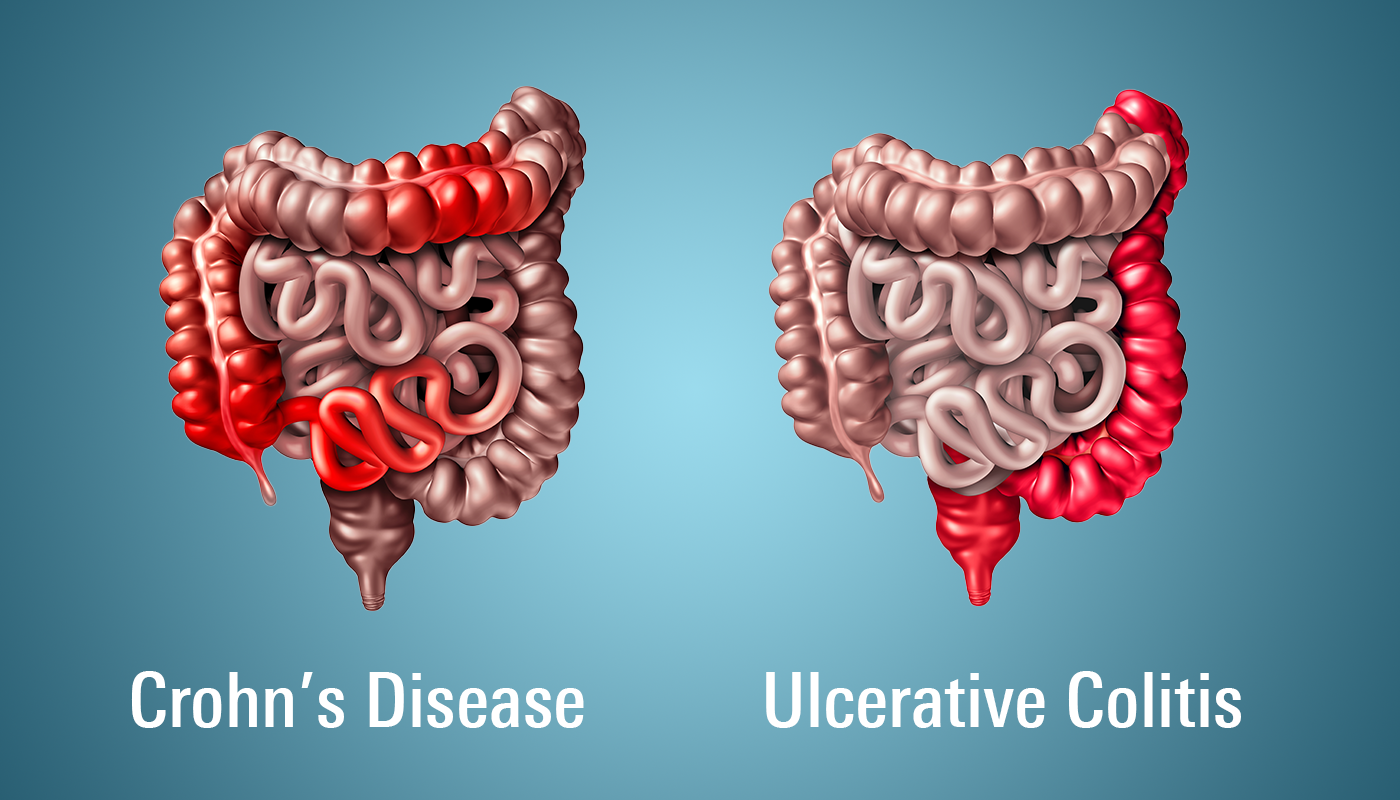
Inflammatory bowel disease (IBD) is long-term inflammation of the digestive tract. Ulcerative colitis affects the large bowel; Crohn's disease can affect any part of the gut. Both are treatable, and modern medicines keep most people well.
What Is Inflammatory Bowel Disease (IBD)?
In IBD the body's immune system causes ongoing inflammation of the bowel lining, leading to diarrhoea, bleeding, pain and tiredness. It tends to flare and settle over years. It is not caused by anything you ate or did, and it is not the same as IBS, although the two can be confused early on.
Treatment has changed a great deal. Beyond steroids and older tablets, biologic and other advanced medicines can control inflammation, heal the bowel lining and reduce the need for surgery. Care is long-term and works best with a specialist who follows you over time. Our department has a consultant with special interest in IBD.
Being told you may have IBD can be worrying, especially because it is long-term. The reassuring news is that most people with ulcerative colitis or Crohn's disease live full, active lives - working, travelling and raising families - with the right treatment and regular follow-up.
IBD is different for everyone. Some people have mild disease that is easily controlled with tablets; others need stronger medicines for a time. Your treatment is planned around your own disease pattern and reviewed as things change.
Symptoms of Ulcerative Colitis and Crohn's Disease
IBD symptoms usually come and go in flares. During a flare you may notice:
- Diarrhoea that persists, often with blood or mucus
- Abdominal pain and cramping
- Urgency and needing the toilet at night
- Weight loss, tiredness and loss of appetite
- Fever during flares
- Mouth ulcers, joint pains, skin or eye inflammation in some patients
- In Crohn's disease, abscesses or fistulas around the anus
- Feeling that you have not fully emptied the bowel
- Anaemia (low blood count) found on a routine blood test
Symptoms vary from person to person. Having one or more of these does not confirm the condition - it means it is worth being checked.
When Should You See a Doctor Urgently for an IBD Flare?
Do not wait for an online appointment if you have any of the following. Call the hospital or go to the nearest emergency department.
- Heavy rectal bleeding or passing large clots
- Severe abdominal pain with a swollen, tense abdomen
- High fever, rapid pulse or fainting
- Persistent vomiting or inability to keep fluids down
How We Diagnose IBD
At your first visit the doctor asks about your symptoms, family history and any weight loss, and examines you. Blood and stool tests come first, and a colonoscopy with biopsies is usually needed to confirm IBD and see how much of the bowel is affected.
What Causes IBD?
- An abnormal immune response in the gut lining
- Genetic tendency - it can run in families
- Environmental factors that are still being studied; smoking worsens Crohn's disease
- It is not caused by diet, stress or infection, though these can affect symptoms
IBD develops when the immune system reacts in the gut lining in a way that keeps inflammation going. A family tendency and environmental factors both play a part, but nothing you ate or did caused it. Stress and infections can trigger a flare, but they are not the root cause.
Investigations
- Blood and stool tests
- Inflammation markers, anaemia, nutrition, and stool tests including faecal calprotectin, which reflects bowel inflammation.What to expect: A routine blood sample and a stool sample collected at home. Faecal calprotectin is also useful later to check whether inflammation has settled.
- Colonoscopy with biopsies
- The key test: shows the extent and severity of inflammation and confirms the type of IBD.What to expect: Before the test, you drink a bowel preparation to clear the bowel; you are given written instructions. The test is done under sedation, and biopsy results usually follow later.
- Upper endoscopy and capsule or small-bowel imaging
- When Crohn's disease of the small intestine is suspected.What to expect: An upper endoscopy is done under sedation. A capsule is a small camera you swallow like a tablet; it takes pictures as it passes through and leaves the body naturally.
- CT or MRI enterography
- Imaging of the small bowel and of complications such as strictures, abscesses and fistulas.What to expect: You drink a liquid that fills the small bowel, then lie in the scanner for the pictures. It is painless.
Treatment Options for Ulcerative Colitis and Crohn's Disease
The usual path
- Settle the flare.
The first goal is to calm the inflammation, often with anti-inflammatory tablets and, for stronger flares, a short course of steroids.
- Keep it quiet.
Once the flare settles, maintenance medicines keep the disease in remission. For many people these are tablets; others need immune-modulating or biologic medicines.
- Regular follow-up.
Check-ups and blood tests make sure the medicines are working and are safe, and the plan is adjusted if needed.
- Surgery when it helps.
Surgery is considered for complications or for disease that does not respond to medicines. It is planned together by the IBD physician and the colorectal surgeon.
Medicines & lifestyle
- Anti-inflammatory tablets
- Mesalazine-type medicines for milder ulcerative colitis.
- Steroids
- For flares, to bring inflammation under control quickly; not used long-term.
- Immune-modulating and biologic therapies
- Medicines that target the immune pathways driving inflammation, used to keep the disease in remission. Choice depends on your disease pattern, and monitoring is part of treatment.
- Nutrition and supportive care
- Correcting iron, vitamin D and B12 deficiencies, and dietary advice during flares.
Surgery
- Surgery
- Needed for some patients - for complications, for disease that does not respond to medicines, or for fistulas and abscesses in Crohn's disease. Our colorectal surgeon works together with the IBD physician.
The right treatment depends on the cause, how severe it is and your overall health. Your doctor will discuss the options with you before anything is decided.
Frequently Asked Questions about IBD
Is IBD the same as IBS?
No. IBS causes symptoms without inflammation or damage. IBD causes visible inflammation and needs specific treatment. Tests distinguish them.
Will I need surgery?
Many people never do. Modern medicines control the disease in most patients. When surgery is needed, it is planned with both physician and surgeon involved.
Can I have a normal life with IBD?
Yes, for most people, with regular follow-up and the right medicine. Work, travel, pregnancy and sport are all possible with planning.
Can I stop my IBD medicines once I feel well?
No - feeling well usually means the medicines are working, not that the disease has gone. Stopping maintenance treatment on your own is a common reason for a flare, and a flare can be harder to control than the original illness. Any change in dose or medicine should be made only with your IBD physician, who will check the bowel is truly in remission first.
Is there a special diet for ulcerative colitis or Crohn's disease?
No single diet treats IBD, and restricting food without advice can cause weight loss and deficiencies. During a flare a low-residue, easily digested diet may ease symptoms, and when the disease is quiet most people eat a normal balanced diet. Our team gives dietary advice suited to your disease pattern and corrects any iron, vitamin D or B12 shortage.
How often will I need check-ups for IBD?
Regular follow-up is part of treatment. How often depends on how active the disease is and which medicines you take, and some medicines need regular blood tests. Your doctor sets the schedule with you.
Will I need regular colonoscopies?
People with long-standing colitis are usually advised to have colonoscopies at intervals to check the bowel lining. Your doctor will tell you when yours are due.
What are biologic medicines?
Medicines that target specific parts of the immune response that drive the inflammation. They are given by injection or drip, and you are checked for certain infections, such as tuberculosis, before starting.
Why Choose Gujarat Hospital for IBD Care
How we look after ulcerative colitis and Crohn's disease (IBD) at our main hospital in Adajan, Surat:
- A consultant with special interest in IBD, who follows you over time rather than treating one flare at a time.
- Colonoscopy with biopsies and upper endoscopy in the hospital's endoscopy suite to confirm the type and extent of IBD.
- The full range of treatment, from anti-inflammatory tablets and steroids for flares to immune-modulating and biologic medicines, with monitoring built in.
- Physician and surgeon working together. When surgery is needed, our colorectal surgeon plans it with the IBD physician.
The information on this page is for general patient education and does not replace individual medical advice, diagnosis or treatment. Medical Disclaimer