
Constipation, Diarrhoea and IBS in Surat What to Expect
A lasting change in bowel habit - constipation, diarrhoea or both alternating - is often irritable bowel syndrome (IBS), but the same symptoms can come from infection, inflammation or, rarely, cancer. The pattern and a few tests tell them apart.
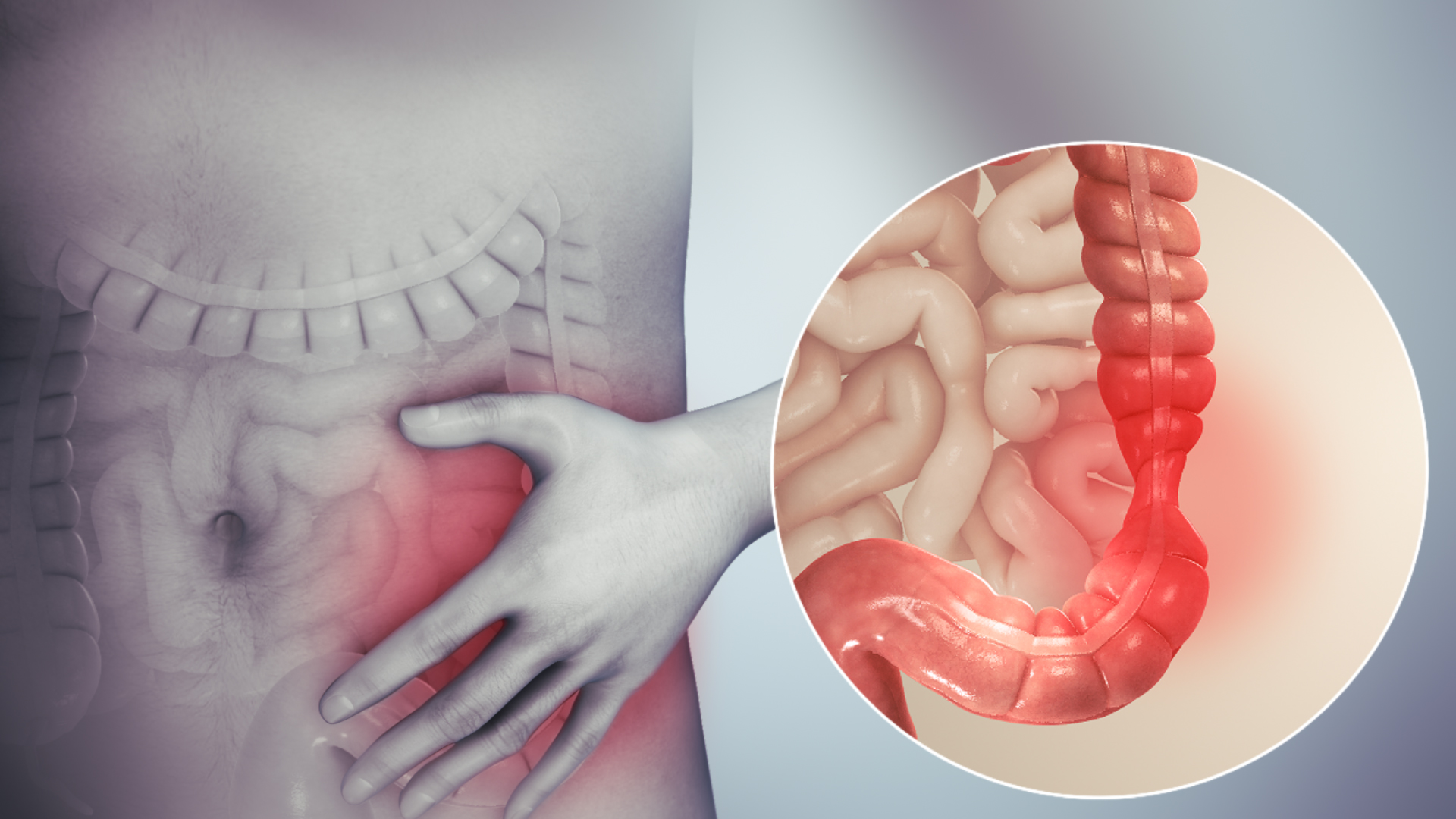
What Is Irritable Bowel Syndrome (IBS)?
Irritable bowel syndrome is a disorder of how the gut moves and how sensitive it is, not a disease that damages it. It causes abdominal pain linked to bowel movements, with constipation, diarrhoea or both. It is common, often long-lasting, and is managed rather than cured - but most people can control it well.
The doctor's first job is to make sure the symptoms are not due to something else: coeliac disease, inflammatory bowel disease, infection, thyroid problems, or a growth in the bowel. Warning signs and age guide which tests are needed.
Bowel changes are very common and can be embarrassing to talk about, but they are something gastroenterologists discuss every day. For most people the cause is IBS or a simple dietary issue rather than anything serious, and there is a lot that can be done to help.
The first visit focuses on your pattern: how often you go, what the stool is like, whether there is pain or bleeding, and whether anything has changed recently. Keeping a short diary of your bowel habits and meals for a week or two before the appointment can be very helpful.
Symptoms of IBS and Bowel Changes
Bowel symptoms vary a lot between people and from week to week. You may notice:
- Abdominal pain or cramping that improves after passing stool
- Constipation - hard, infrequent or difficult-to-pass stools
- Diarrhoea - loose or frequent stools, sometimes with urgency
- Bloating and a feeling of incomplete emptying
- Mucus in the stool
- Symptoms that vary with stress, sleep or diet
- Needing to strain, or using your fingers to help empty the bowel
- Wind and rumbling that is worse after certain foods
- Symptoms that improve for a while and then flare again
Symptoms vary from person to person. Having one or more of these does not confirm the condition - it means it is worth being checked.
When Should You See a Doctor Urgently for a Change in Bowel Habit?
Do not wait for an online appointment if you have any of the following. Call the hospital or go to the nearest emergency department.
- Blood in the stool, or black stools
- Unintended weight loss, fever or night sweats
- New change in bowel habit after the age of 45
- Diarrhoea that wakes you at night, or lasts more than two weeks
- Anaemia found on a blood test
How We Diagnose IBS and Bowel Problems
At your first visit the doctor asks about your bowel pattern, diet, medicines and family history, and examines you. Many younger people without warning signs need only blood and stool tests. A colonoscopy is advised when there are warning signs, a family history of bowel cancer, or symptoms starting later in life.
What Causes Constipation and Diarrhoea?
- Irritable bowel syndrome
- Diet - low fibre, low fluid intake, or specific food intolerances
- Infections of the gut
- Inflammatory bowel disease (ulcerative colitis or Crohn's disease)
- Coeliac disease and thyroid disorders
- Medicines, including some painkillers, iron and antacids
- Slow-transit constipation or pelvic-floor problems
Most long-standing bowel changes without warning signs are due to IBS or diet. Infection usually causes sudden diarrhoea that settles within days. Inflammation, coeliac disease and growths are less common, which is why the doctor looks for warning signs and may arrange tests to rule them out before settling on IBS.
Investigations
- Blood and stool tests
- Check for anaemia, inflammation markers, coeliac disease, thyroid function and infection.What to expect: A routine blood sample and a stool sample collected at home in a container you are given.
- Colonoscopy
- Examines the whole large bowel; needed when there are warning signs, when symptoms start later in life, or when inflammation is suspected. Polyps can be removed during the same test.What to expect: Before the test, you drink a bowel preparation to clear the bowel; you are given written instructions. The test is done under sedation, so it is comfortable, and you go home the same day.
- Motility studies
- For difficult constipation, tests of transit and pelvic-floor function in our GI motility lab show whether the bowel is slow or the outlet is not relaxing.What to expect: These are done without sedation. Anorectal manometry uses a small tube and asks you to squeeze and push; transit studies track markers or a capsule through the bowel over a few days.
Treatment Options for Constipation, Diarrhoea and IBS
The usual path
- Diet and daily habits.
Adjusting fibre and fluids, regular meals and activity, and finding your trigger foods help many people on their own.
- Medicines for your main symptom.
Laxatives for constipation, medicines to slow diarrhoea, and antispasmodics for cramping pain are chosen for your pattern.
- Tests if needed.
If there are warning signs, or symptoms do not respond, tests look for another cause such as inflammation or coeliac disease.
- Specialised help for difficult cases.
For constipation that does not respond, motility tests guide treatment such as pelvic-floor retraining. Surgery is rarely needed for IBS.
Medicines & lifestyle
- Diet and lifestyle
- Fibre and fluid adjustments, regular meals, physical activity, and identifying trigger foods - sometimes with a structured low-FODMAP trial under guidance.
- Medicines
- Laxatives or anti-diarrhoeal medicines, antispasmodics for pain, and for some patients low-dose medicines that calm gut sensitivity.
Other care
- Treating a found cause
- Infection, coeliac disease, inflammatory bowel disease and other diagnoses are treated specifically.
- Pelvic-floor retraining
- For constipation caused by muscles that do not relax properly, targeted therapy helps more than laxatives.
The right treatment depends on the cause, how severe it is and your overall health. Your doctor will discuss the options with you before anything is decided.
Frequently Asked Questions about IBS
Is IBS dangerous?
IBS does not damage the bowel or lead to cancer, but it can be very disruptive. The important thing is to confirm the diagnosis so that treatment can be tailored.
Should I stop eating wheat or milk?
Not without testing. Cutting foods out blindly can mask coeliac disease and make diets needlessly restrictive. A dietary trial is best done with guidance.
When is a colonoscopy needed?
When there is blood in the stool, weight loss, anaemia, symptoms starting after 45, or a family history of bowel cancer, and whenever inflammatory bowel disease is suspected.
Can stress really cause my bowel symptoms?
Yes. The gut and the brain are closely connected, and in IBS the bowel is more sensitive than normal, so stress, poor sleep and anxiety can bring on pain, cramping, constipation or diarrhoea. This does not mean the symptoms are imaginary. Regular meals, sleep and activity help, and where stress is a clear trigger the doctor may suggest medicines that calm gut sensitivity or refer you for support.
Is it safe to take laxatives every day for constipation?
Some laxatives, such as fibre supplements and stool softeners, can be taken regularly when a doctor has advised them. Constipation that needs laxatives every day for months should be assessed rather than self-treated, because it may be due to slow transit, a pelvic-floor problem or a medicine you are taking. If the outlet muscles are not relaxing properly, pelvic-floor retraining works better than increasing laxatives.
Is there a test for IBS?
There is no single test. IBS is diagnosed from the pattern of symptoms once tests have ruled out other causes, such as infection, coeliac disease, inflammatory bowel disease or a growth.
What is a low-FODMAP diet?
A structured trial that cuts down certain carbohydrates that ferment in the gut, then brings them back one by one to find your triggers. It works best with guidance rather than on your own.
Where are the tests done?
Colonoscopy and GI motility tests are done at our main hospital in Adajan. Consultation and follow-up are available there and at our OPDs in Varachha, Bharuch, Navsari and Vapi.
Why Choose Gujarat Hospital for Bowel Problems
How we look after constipation, diarrhoea and IBS at our main hospital in Adajan, Surat:
- Other causes ruled out first. Blood and stool tests, and colonoscopy when warning signs or age call for it, are done before a diagnosis of IBS is made.
- Colonoscopy with polyp removal in the same sitting, in the hospital's endoscopy suite.
- A GI motility lab for difficult constipation. Transit and pelvic-floor tests show whether the bowel is slow or the outlet is not relaxing.
- Specialist interest in the bowel. Our consultants include a gastroenterologist with special interest in GI motility and functional disorders, and one with special interest in IBD and luminal GI disorders.
The information on this page is for general patient education and does not replace individual medical advice, diagnosis or treatment. Medical Disclaimer