
Acidity and Reflux (GERD) in Surat What to Expect
Gastro-oesophageal reflux disease (GERD) is acid from the stomach repeatedly flowing back into the food pipe, causing heartburn, a sour taste and, over time, inflammation.
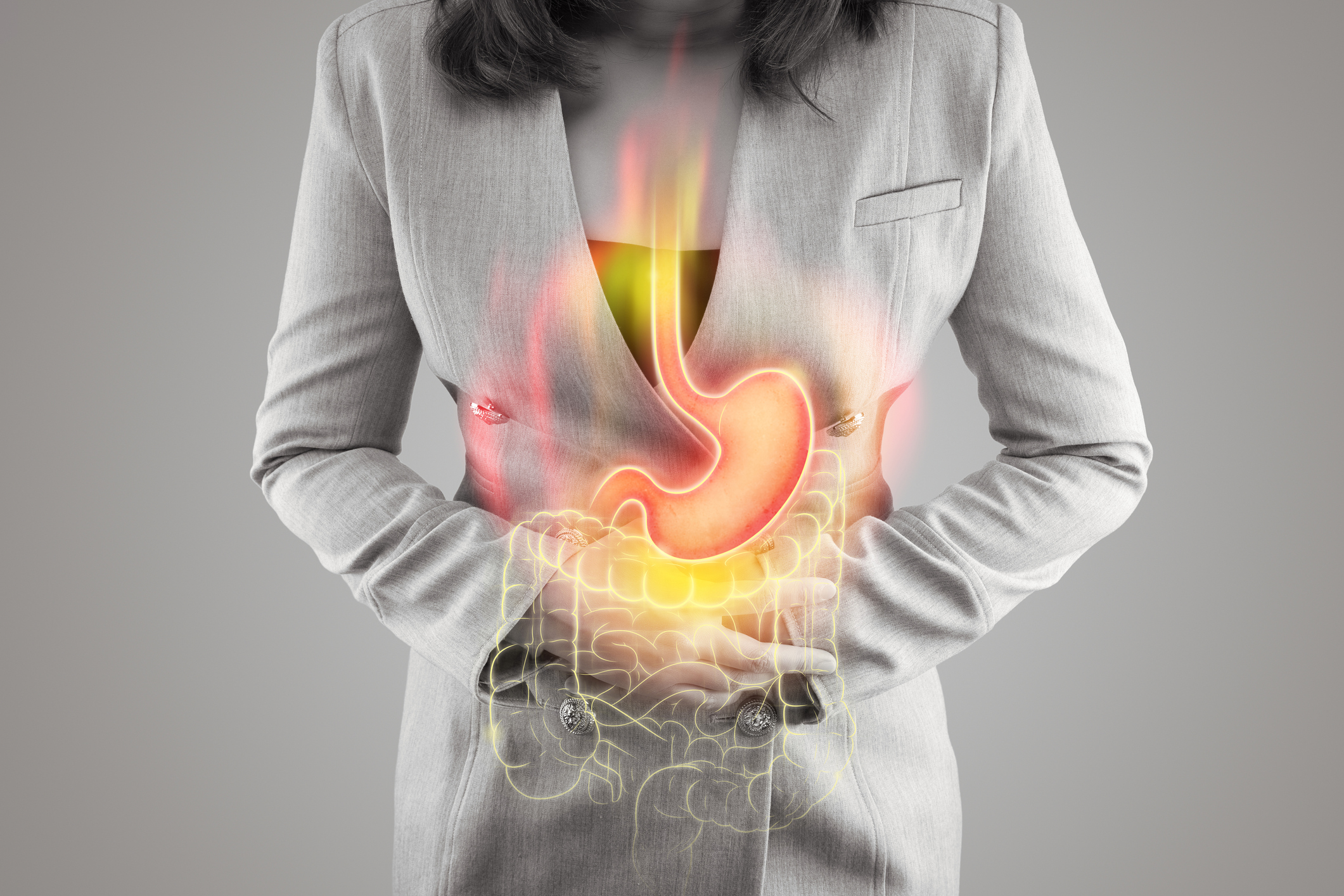
What Is GERD (Acid Reflux)?
A valve at the lower end of the food pipe normally keeps stomach acid where it belongs. When it weakens or opens at the wrong time, acid rises and irritates the lining of the food pipe. Occasional heartburn after a heavy meal is common; GERD is when it happens often enough to affect daily life or to cause damage.
Most people improve with lifestyle changes and a course of acid-suppressing medicine. The reasons to see a specialist are symptoms that keep coming back despite treatment, difficulty swallowing, or warning signs that need the food pipe to be examined.
Acidity is one of the most common digestive complaints, and for most people it is uncomfortable rather than dangerous. A few changes to meals and sleep, with the right medicine, are enough to control it for the majority of patients.
Seeing a gastroenterologist helps in two situations: when symptoms keep coming back despite tablets, and when there are signs that the food pipe should be looked at. The aim is to confirm that reflux really is the cause, check the food pipe is healthy, and find the simplest treatment that keeps you comfortable.
Symptoms of Acidity and Reflux
Reflux does not always feel like heartburn. You may have:
- Burning behind the breastbone, often after meals or on lying down
- Sour or bitter taste in the mouth, or regurgitation of food
- Chest discomfort that can be mistaken for heart pain
- Chronic cough, hoarseness or a feeling of a lump in the throat
- Bloating, belching and early fullness
- Disturbed sleep because of night-time symptoms
- A burning or sour feeling that is worse when you bend forward or lie flat
- Frequent throat clearing or a hoarse voice in the morning
Symptoms vary from person to person. Having one or more of these does not confirm the condition - it means it is worth being checked.
When Should You See a Doctor Urgently for Acidity?
Do not wait for an online appointment if you have any of the following. Call the hospital or go to the nearest emergency department.
- Difficulty or pain on swallowing
- Vomiting blood, or black stools
- Unintended weight loss or loss of appetite
- Symptoms beginning after the age of 50 for the first time, or not responding to treatment
How We Diagnose Reflux
At your first visit the doctor asks about your symptoms, what makes them better or worse, and the medicines you have tried. Many people with typical symptoms start treatment without any tests. Tests are arranged when symptoms do not settle, when warning signs are present, or before surgery is considered.
What Causes GERD?
- A weak lower oesophageal valve, or a hiatus hernia where part of the stomach slides into the chest
- Excess weight, which increases pressure on the stomach
- Large or late meals, alcohol, smoking, coffee and fatty or spicy food
- Pregnancy
- Some medicines, including certain painkillers and blood-pressure tablets
- Slow stomach emptying
Reflux usually comes from a combination of things rather than one cause - a valve that relaxes too easily, pressure on the stomach from weight or large meals, and habits such as late dinners. Because of this, small changes in several areas often help more than one big change. A hiatus hernia is common and does not always need surgery.
Investigations
- Assessment
- For typical symptoms, a trial of treatment is often the first step; tests are needed when symptoms persist or warning signs are present.What to expect: A conversation and examination. If your symptoms are typical and there are no warning signs, you may simply start treatment and be reviewed.
- Upper GI endoscopy
- Shows inflammation, ulcers, narrowing or changes in the lining (Barrett's oesophagus), and allows a biopsy.What to expect: Done under sedation, so it is comfortable. You go home the same day, and the doctor explains the findings before you leave; biopsy results follow later.
- pH and impedance study
- Measures how often and how long acid rises into the food pipe over 24 hours - useful when the diagnosis is unclear or before considering surgery. Done in our GI motility lab.What to expect: A thin tube through the nose records reflux for 24 hours while you eat and live normally. You may be asked to stop acid tablets for some days beforehand - only when your doctor tells you to.
- Manometry
- Checks the muscle function of the food pipe and is required before any anti-reflux surgery.What to expect: A thin tube through the nose measures the food pipe muscle while you take small sips of water. No sedation is needed.
Treatment Options for GERD
The usual path
- Lifestyle changes.
Smaller, earlier meals, not lying down soon after eating, raising the head of the bed and avoiding your own trigger foods are the foundation, and they help medicines work better.
- Medicines.
Acid-suppressing tablets control symptoms for most people. Your doctor aims for the lowest dose that works and reviews whether you still need it.
- Tests if symptoms persist.
If tablets do not help, or warning signs appear, endoscopy and a pH study check the food pipe and confirm whether reflux is really the cause.
- Surgery for a selected few.
Laparoscopic anti-reflux surgery is considered only when tests prove reflux and medicines are not enough. It is discussed with you in detail first.
Medicines & lifestyle
- Lifestyle measures
- Smaller meals, not lying down for two to three hours after eating, raising the head of the bed, weight loss where relevant, and avoiding personal trigger foods.
- Medicines
- Acid-suppressing tablets are effective for most people. Your doctor will aim for the lowest dose that controls symptoms and review whether long-term treatment is needed.
Endoscopic treatment
- Endoscopic treatment
- Narrowings caused by long-standing reflux can be dilated during endoscopy.
Surgery
- Anti-reflux surgery
- For selected patients with proven reflux that is not controlled by medicines, a laparoscopic operation can strengthen the valve. It is considered only after full testing and a discussion of benefits and risks.
The right treatment depends on the cause, how severe it is and your overall health. Your doctor will discuss the options with you before anything is decided.
Frequently Asked Questions about GERD
Is long-term use of acidity tablets harmful?
These medicines are generally safe when used as advised, but they should be reviewed regularly. Many people can step down to the lowest effective dose or use them only when needed.
Can GERD cause cancer?
Long-standing reflux can occasionally change the lining of the food pipe (Barrett's oesophagus), which needs monitoring. This is one reason persistent symptoms should be assessed rather than ignored.
Do I need surgery?
Most people never do. Surgery is discussed only when symptoms are proven to be due to reflux and are not controlled by medicines.
Which foods should I avoid if I have GERD?
Trigger foods differ from person to person, but fatty or fried food, very spicy dishes, coffee, alcohol and large or late meals are the usual culprits. Keeping a simple diary of meals and symptoms for a couple of weeks shows which ones matter for you. There is no need to cut out everything - the aim is to avoid your own triggers and to keep meals smaller and earlier in the evening.
Is heartburn in pregnancy the same as GERD?
Reflux is very common in pregnancy because the growing womb presses on the stomach and pregnancy hormones relax the lower oesophageal valve. It usually settles after delivery. Smaller meals, not lying down soon after eating and raising the head of the bed help most women; if medicine is needed, your doctor will choose one that is considered safe in pregnancy.
When should I see a gastroenterologist for acidity?
When heartburn keeps coming back despite medicines, when swallowing becomes difficult or painful, or with any warning sign such as black stools, vomiting blood or weight loss.
What is a pH study, and is it painful?
A thin tube is passed through the nose and records acid in the food pipe for 24 hours while you go about your day. Passing the tube is briefly unpleasant, but there is no sedation and no radiation.
Can GERD be cured permanently?
Many people control reflux well with lifestyle changes and a course of medicine. Some need medicine long-term or only when symptoms flare. Surgery is considered for selected patients whose reflux is proven by tests and not controlled by medicines.
Why Choose Gujarat Hospital for Acidity and Reflux
How we look after acidity and reflux (GERD) at our main hospital in Adajan, Surat:
- The full set of reflux tests in one place. Upper GI endoscopy, the 24-hour pH-impedance study and manometry are all done at our Adajan hospital.
- Results read by a specialist. Our consultant gastroenterologist with special interest in GI motility and functional disorders interprets the pH and manometry studies.
- Medicines reviewed, not just repeated. The aim is the lowest dose that controls symptoms, with regular review of long-term treatment.
- Surgery only when tests prove it is needed. For proven reflux not controlled by medicines, the GI surgical team on the same campus offers laparoscopic anti-reflux surgery.
The information on this page is for general patient education and does not replace individual medical advice, diagnosis or treatment. Medical Disclaimer