
Technology & Facilities in Surat Robotic Surgery, Hybrid OT & Endoscopy
Each technology below is explained in plain words — what it is and how our doctors may use it. Whether a particular test or procedure is right for you is decided with you after consultation.
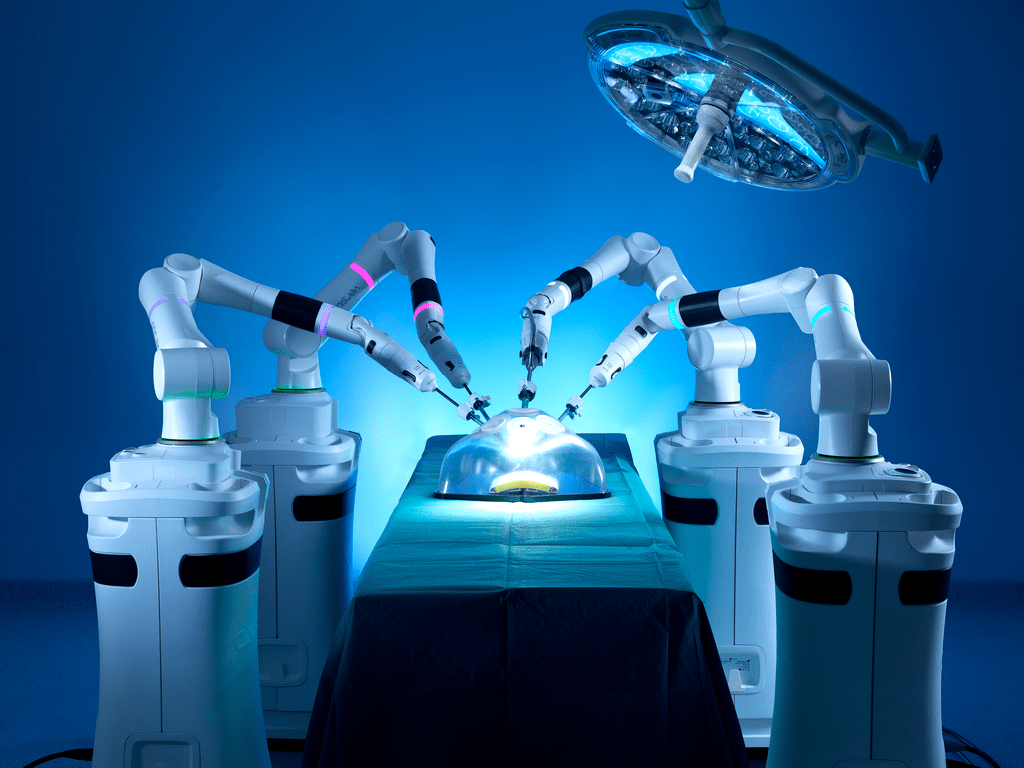
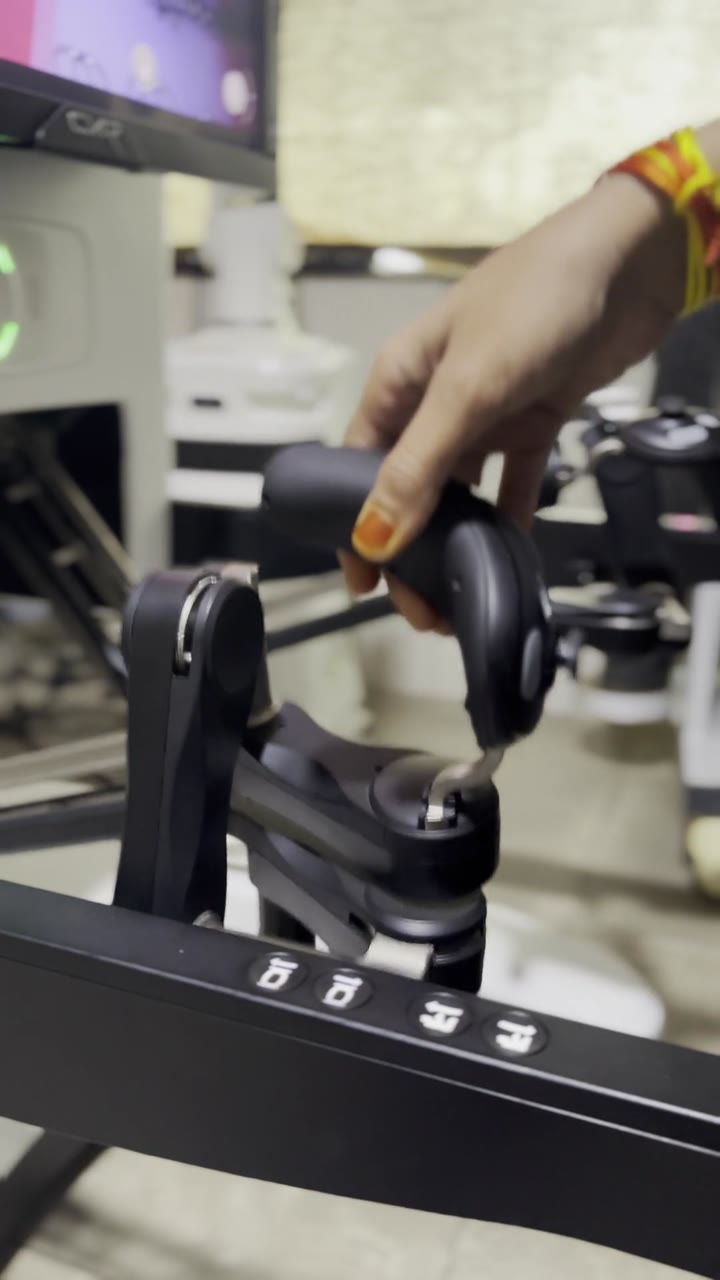
- Versius Surgical Robotic System
- Hybrid Operation Theatre & Cathlab
- 9-bed ICU with ventilator support
Our Core Technology
The main systems used for treatment at our Adajan hospital, from robotic surgery to the Hybrid Operation Theatre & Cathlab, each explained in plain words.
-
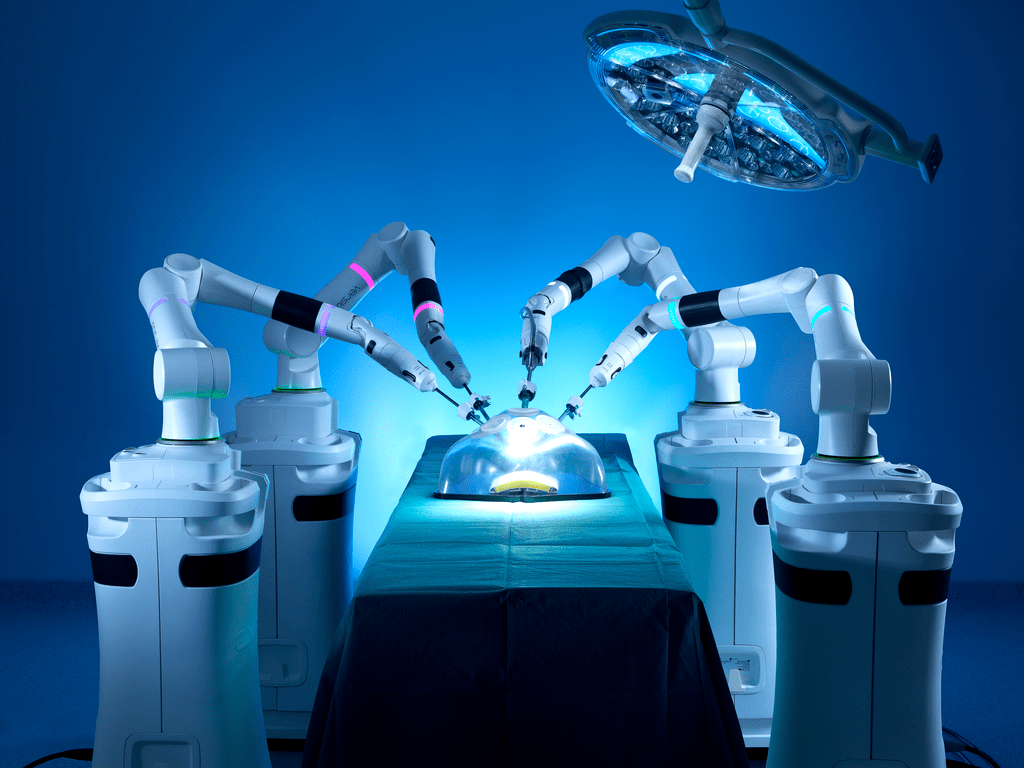
Versius Surgical Robotic System
- What it is
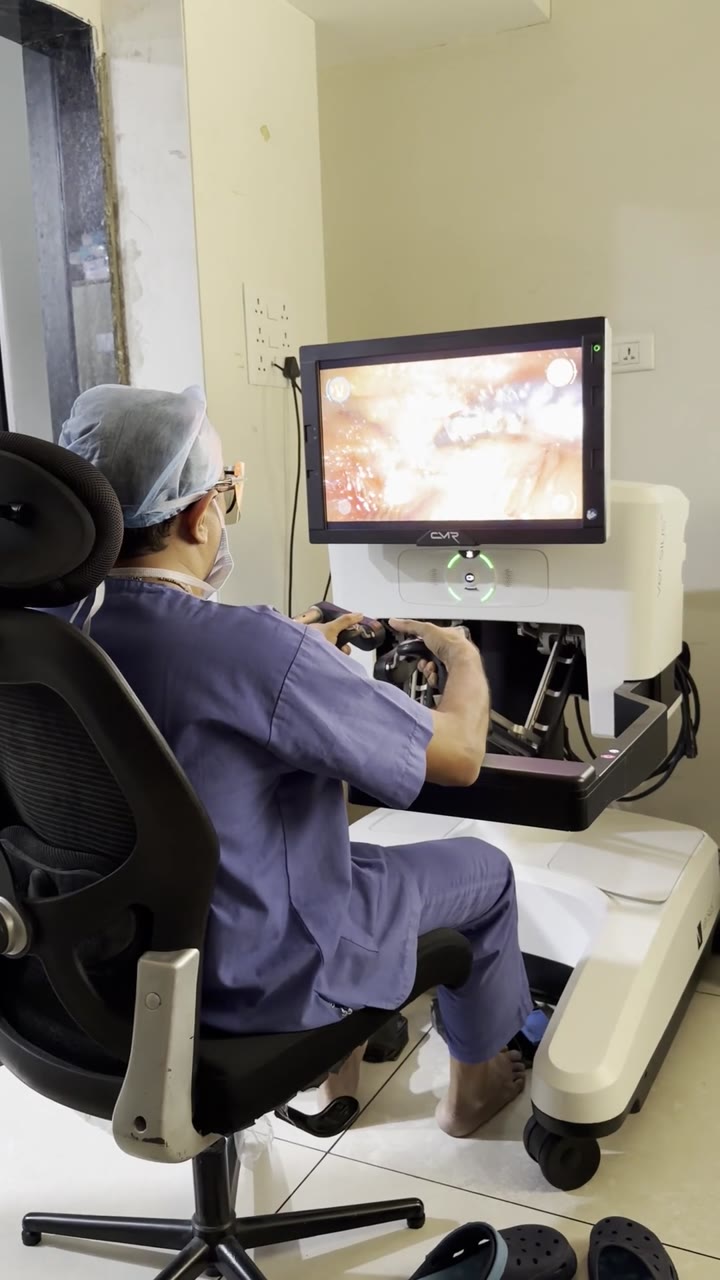
- A robotic-assisted surgery system by CMR Surgical (Cambridge Medical Robotics). The surgeon controls the instruments from a console; the robotic arms carry them out through small incisions.
- How it may be used
- Used for cancer surgery, appendix, gallbladder stones, hernia and bariatric (weight-loss) surgery in suitable patients.
-
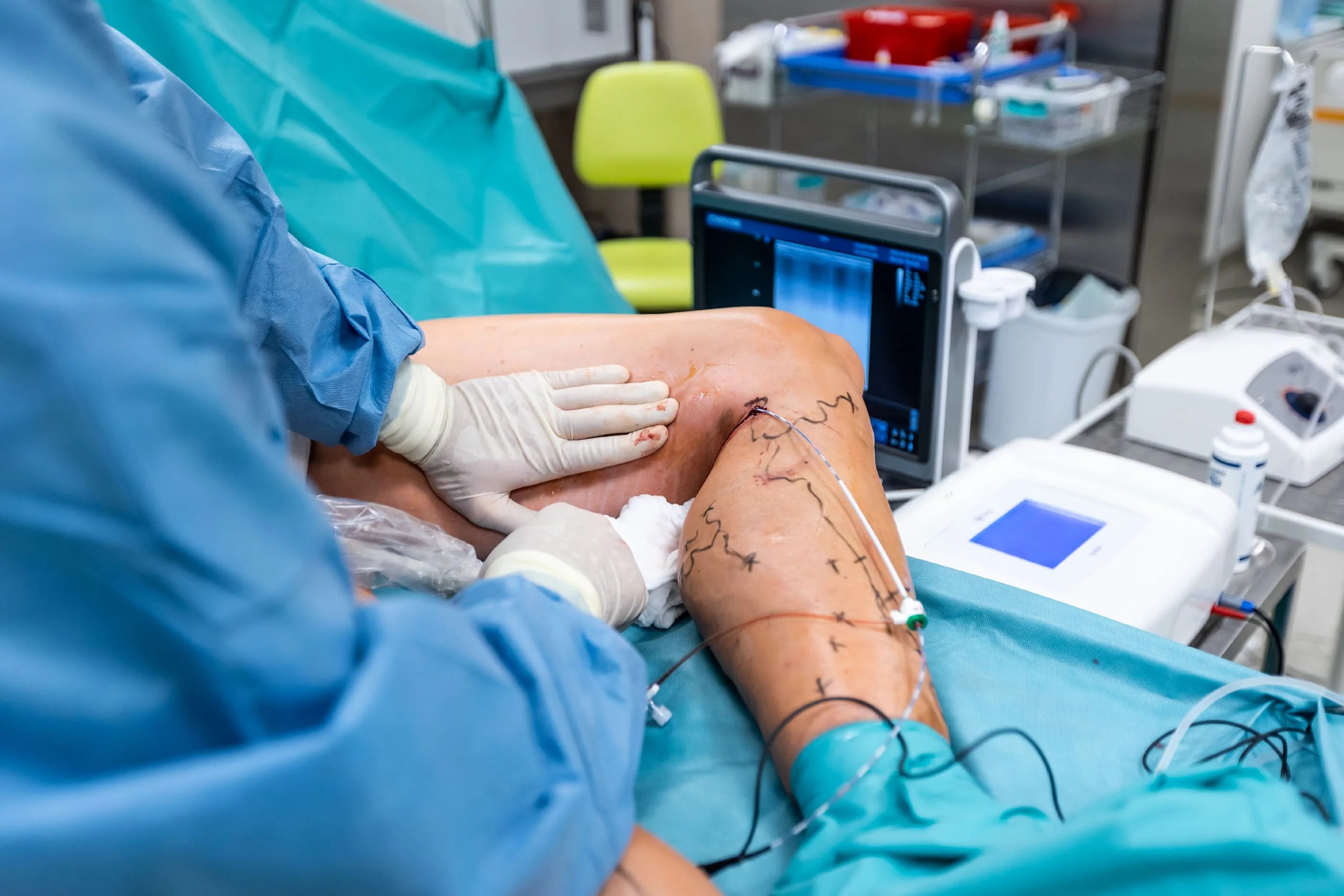
Hybrid Operation Theatre & Cathlab
- What it is
- An operating room with a catheterisation lab built in, so the team can image blood vessels and operate in the same room, in the same sitting.
- How it may be used
- Allows surgical and endovascular (catheter-based) treatment of complex peripheral vascular conditions in a single, integrated setting, without moving the patient between separate facilities.
-
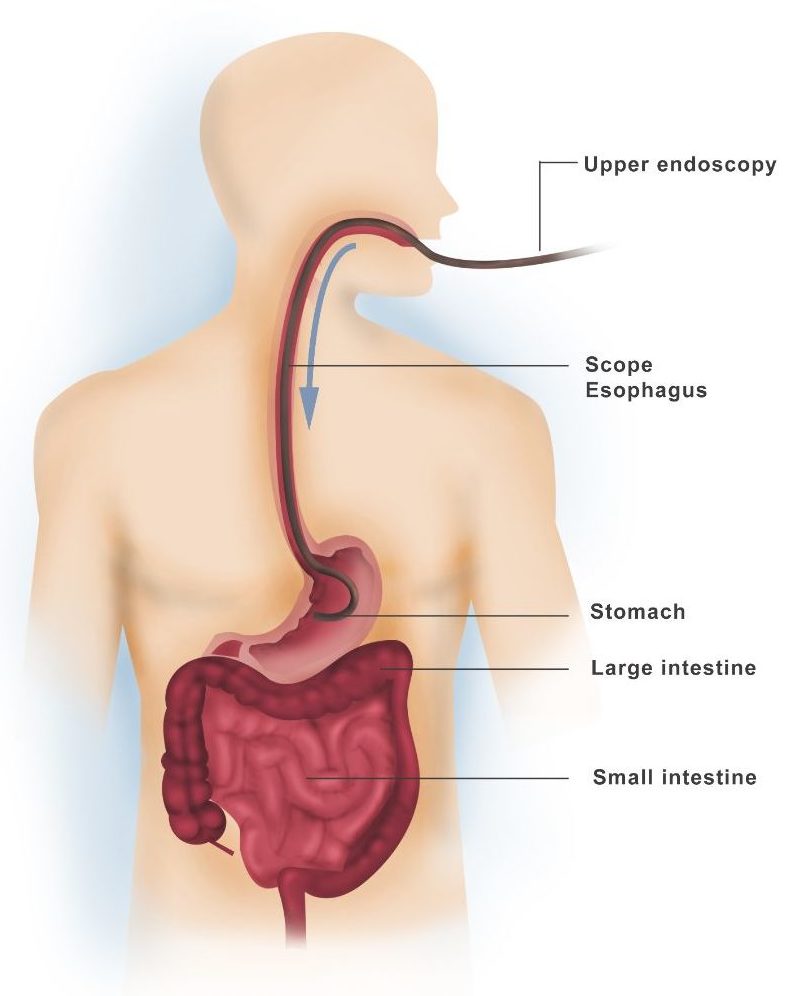
Endoscopy & Diagnostic Suite
- What it is
- Endoscopy uses a thin, flexible camera to look inside the food pipe, stomach and intestine. Many problems can be found, and some treated, without an operation.
- How it may be used
- Upper endoscopy, colonoscopy and therapeutic procedures such as ERCP, EUS, ESD/EMR, POEM and SpyGlass cholangioscopy, performed under sedation to minimise discomfort.
-
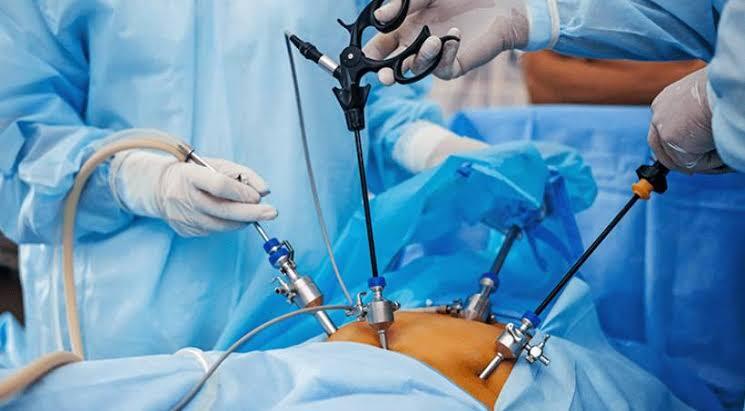
Laparoscopic Surgery System
- What it is
- A 3D / 4K high-definition laparoscopic system for keyhole surgery (Mindray UX7 Series with 4K, NIR and 3D, and an Olympus 4K system), with intraoperative ultrasound (Fujifilm ARIETTA 750 with an L43K robotic transducer) to image organs such as the liver during the operation.
- How it may be used
- Gallbladder, hernia, bariatric, colorectal and liver surgery through small incisions, with less pain and a faster recovery in suitable patients.
Supporting Facilities
The equipment and services that support diagnosis and surgery, from the GI motility lab and on-site imaging to the pathology laboratory.
-
CUSA
- What it is
- A Cavitron Ultrasonic Surgical Aspirator — an instrument that breaks up and removes tissue with ultrasound while sparing blood vessels and ducts.
- How it may be used
- Precision tissue dissection in complex liver and tumour surgery.
-
GI Motility Lab
- What it is
- Tests that measure how the food pipe, stomach and bowel move and function.
- How it may be used
- For unexplained swallowing difficulty, reflux that does not respond to medicines, and functional bowel symptoms; run by our gastroenterologist with special interest in GI motility.
-
Advanced Imaging
- What it is
- CT scan and ultrasound (Fujifilm ARIETTA 750) on site, giving the doctors detailed pictures of the organs and blood vessels. MRI and MRCP are arranged by referral.
- How it may be used
- Supports fast, accurate diagnosis across all three departments and guides many procedures.
-
Pathology Laboratory
- What it is
- An on-site laboratory for blood and other tests, so results reach the treating team quickly; some tests are sent to external laboratories. Blood bank services are arranged by referral.
- How it may be used
- Pre-operative checks, monitoring during admission and follow-up tests.
-
Diet & Nutrition
- What it is
- A dietitian works with the treating doctors on nutrition before and after surgery, and in digestive and liver disease.
- How it may be used
- Diet plans after bariatric, pancreatic and gastrointestinal surgery, and for fatty liver, pancreatitis and weight management.
-
Critical Care / ICU
- What it is
- A 9-bed intensive care unit with ventilator support, for close, round-the-clock monitoring.
- How it may be used
- Post-operative care after major surgery and for patients who need continuous monitoring, overseen by our critical care specialist.
Why This Matters for Patients
Having tests, treatment and intensive care at one hospital makes a real difference to your care.
One hospital for tests and treatment
Tests, procedures and operations are done at our main hospital in Adajan, where the endoscopy suite, the operation theatres, the Hybrid Operation Theatre & Cathlab and the ICU are.
Imaging and surgery in one room
In the Hybrid Operation Theatre the team can image blood vessels and operate in the same sitting, without moving the patient between separate facilities.
Surgery is never the starting point
Many problems can be found, and some treated, without an operation.
Close care after major surgery
Results reach the treating team quickly, and the 9-bed ICU with ventilator support gives close, round-the-clock monitoring.
Inside the Operation Theatre
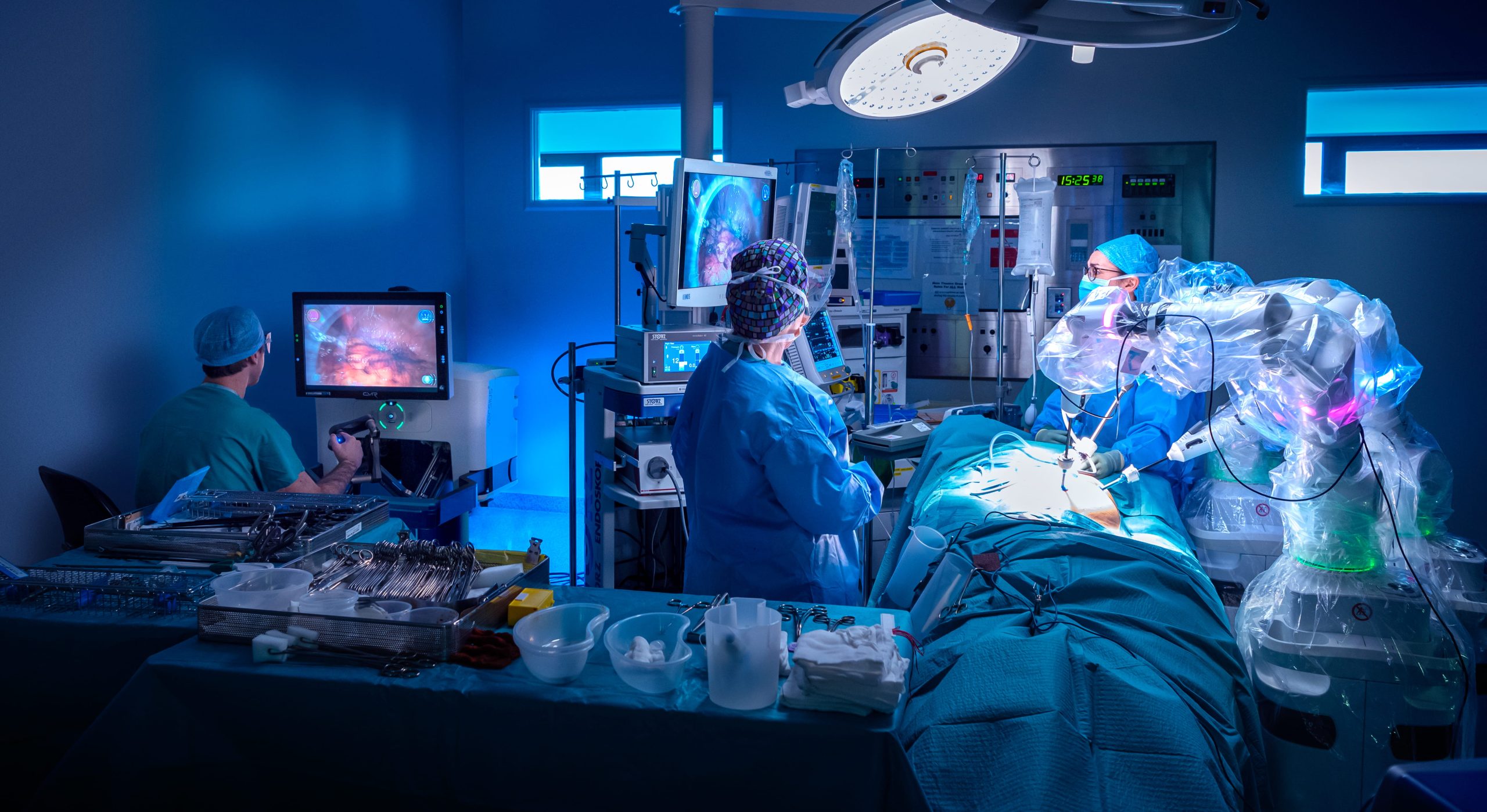
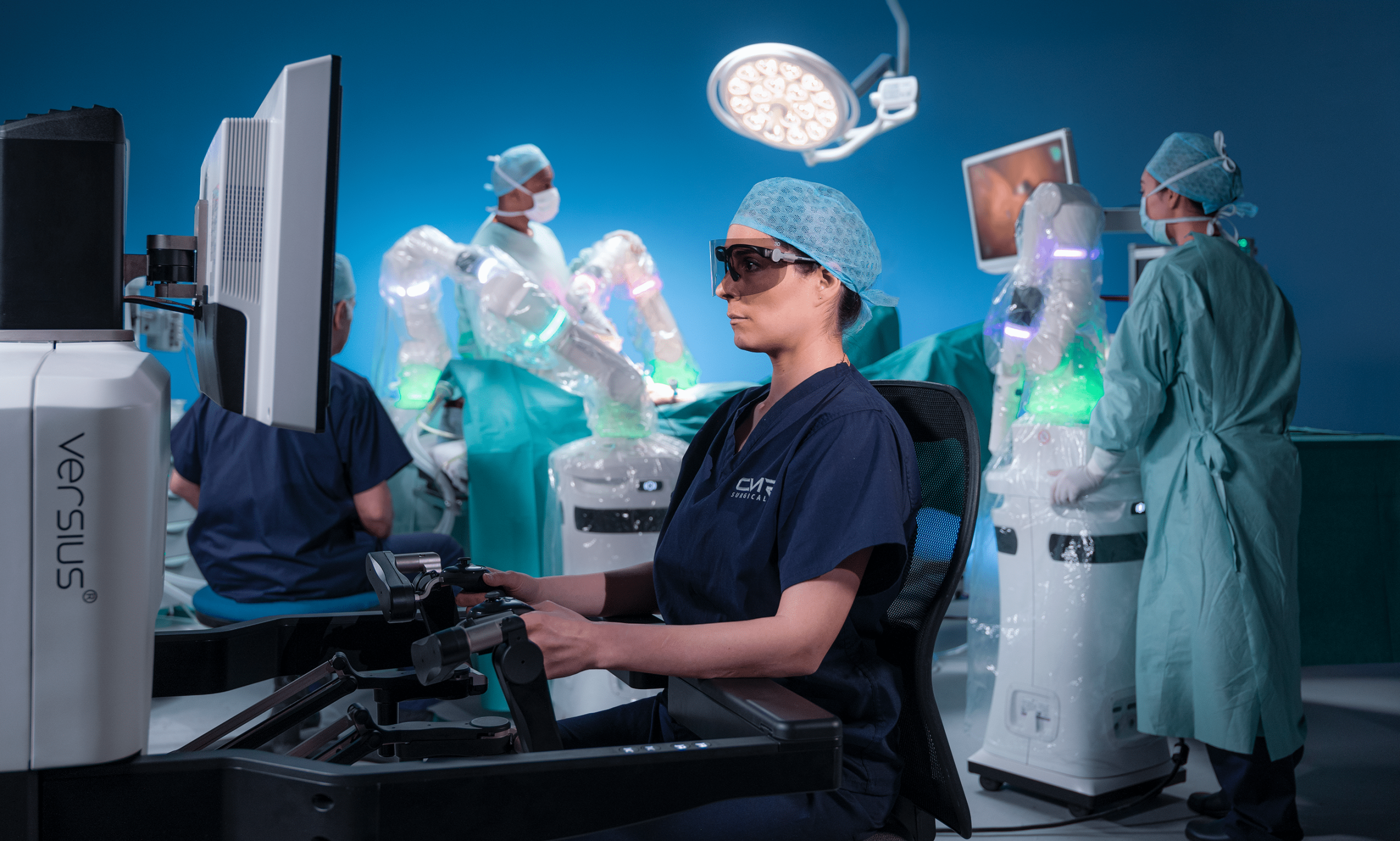
Watch: robotic surgery
Main hospital, Adajan: tests, procedures and operationsOPDs: Varachha, Bharuch, Navsari, Vapi (consultation and follow-up)Branches and OPD timings ›
Book a Consultation
Call, WhatsApp, or use the form - our staff will confirm a timing with the right doctor.
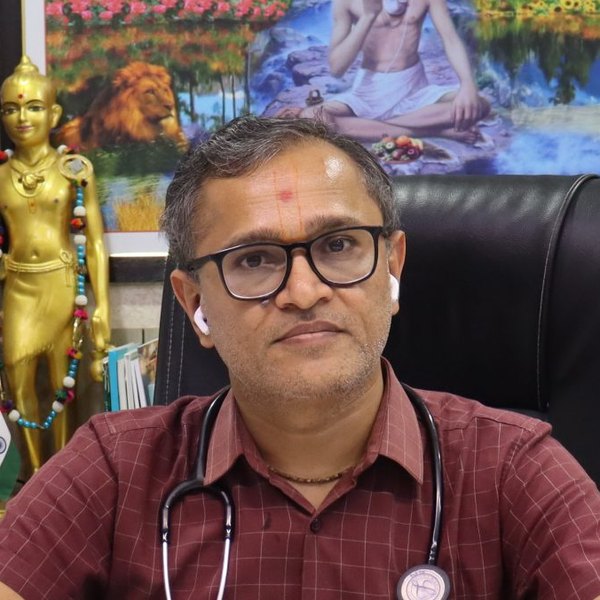 Dr. Naresh Gabani
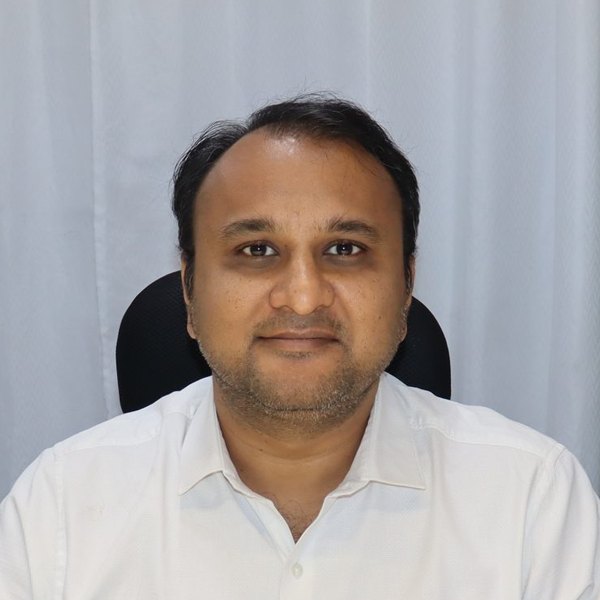 Dr. Saumin Shah
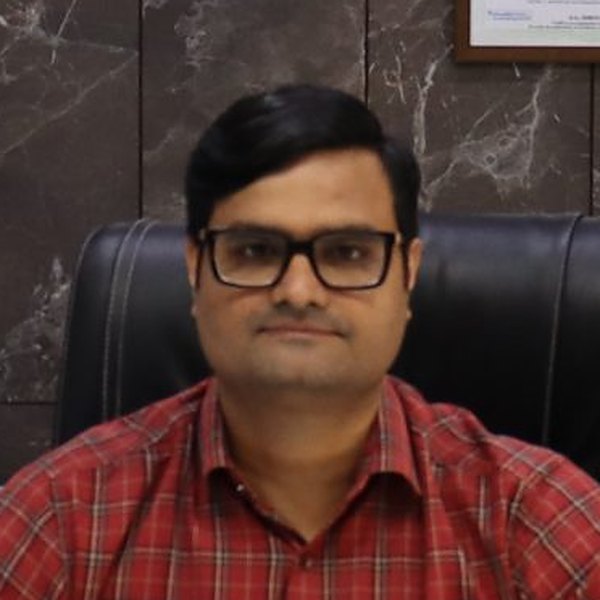 Dr. Ankur Patel
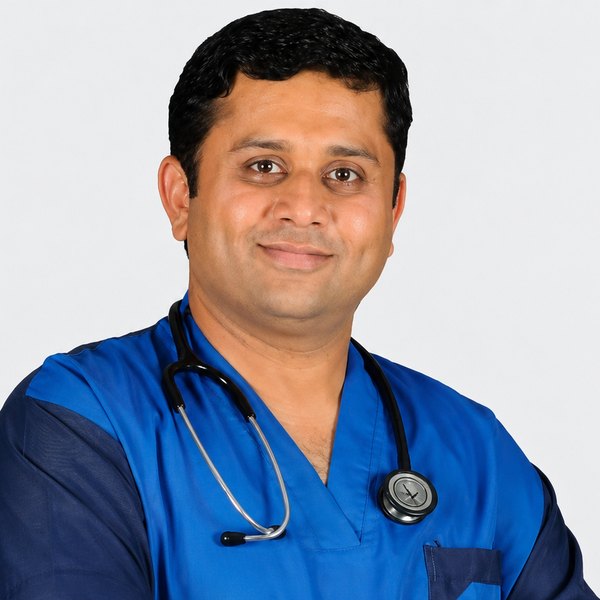 Dr. Mitul Mangukiya
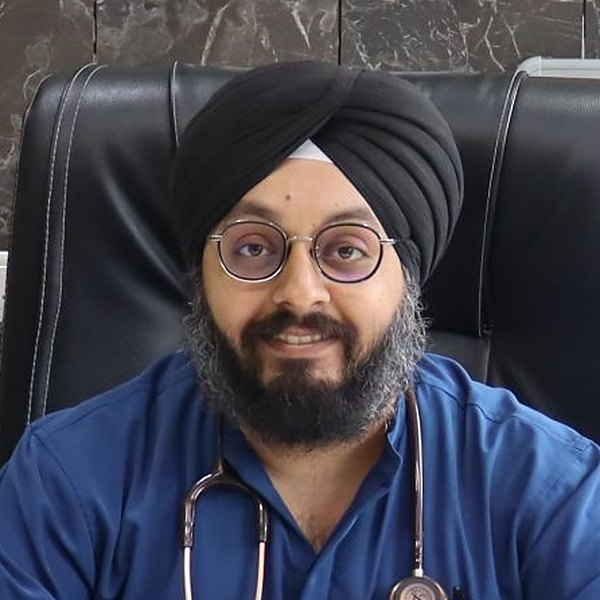 Dr. Dipin Singh
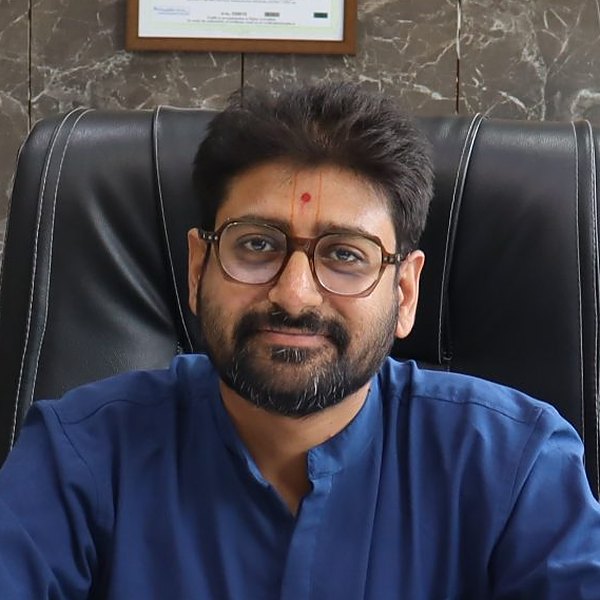 Dr. Harshil Kalathiya
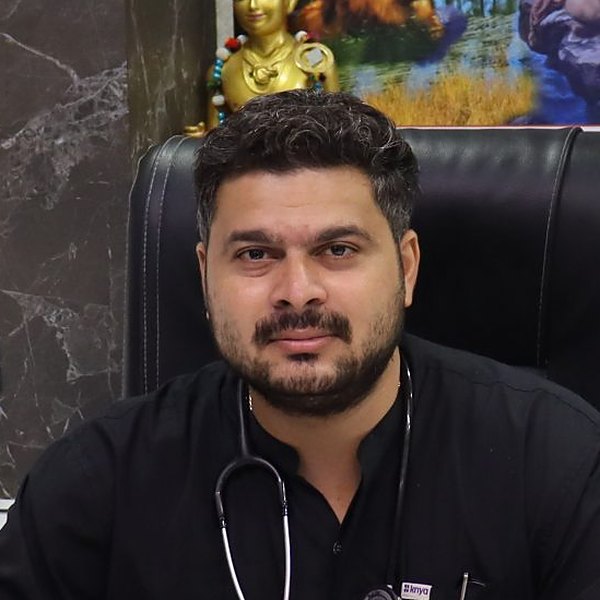 Dr. Sanket Sherekar
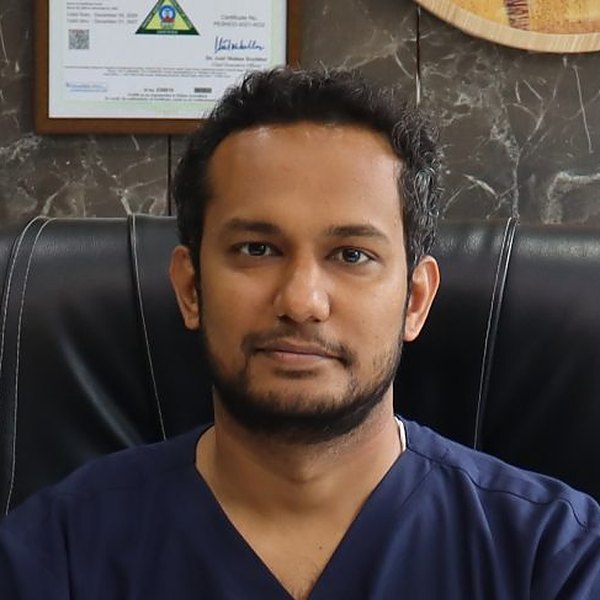 Dr. Meet Desai
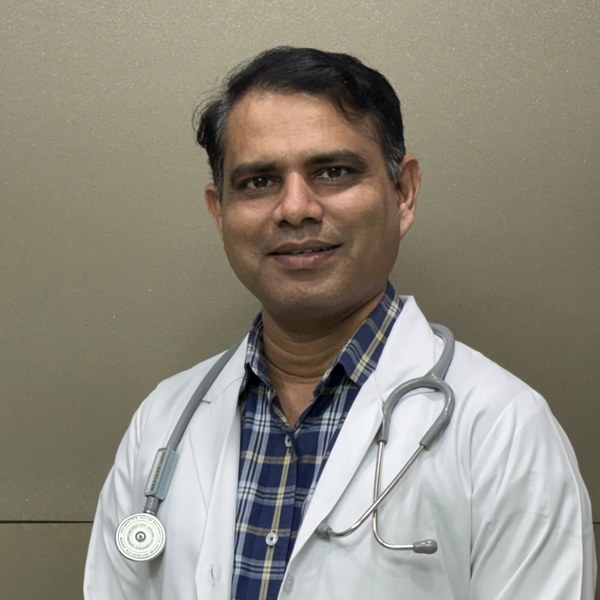 Dr. Tejas Patel
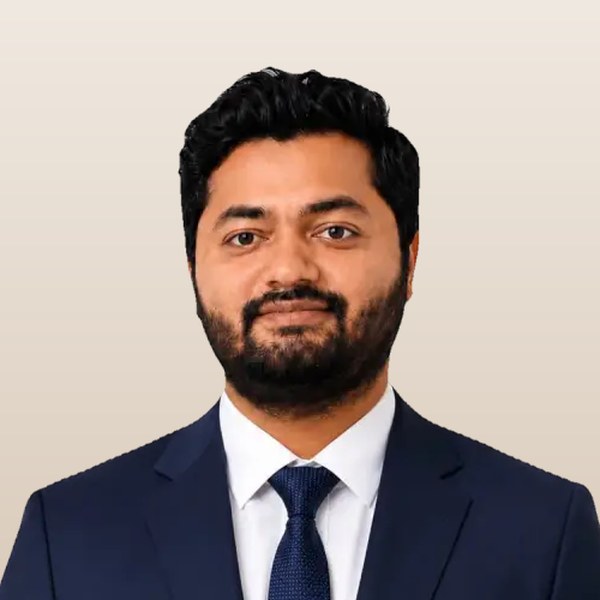 Dr. Pratik Bhagat
- Dr. Chaitali Patel
Our Doctors
Main hospital in Adajan, Surat - OPDs in Varachha, Bharuch, Navsari and Vapi
Branches and OPD timings ›Also see: Find the right care · Contact Us
The information on this page is for general patient education and does not replace individual medical advice, diagnosis or treatment. Medical Disclaimer